Gardening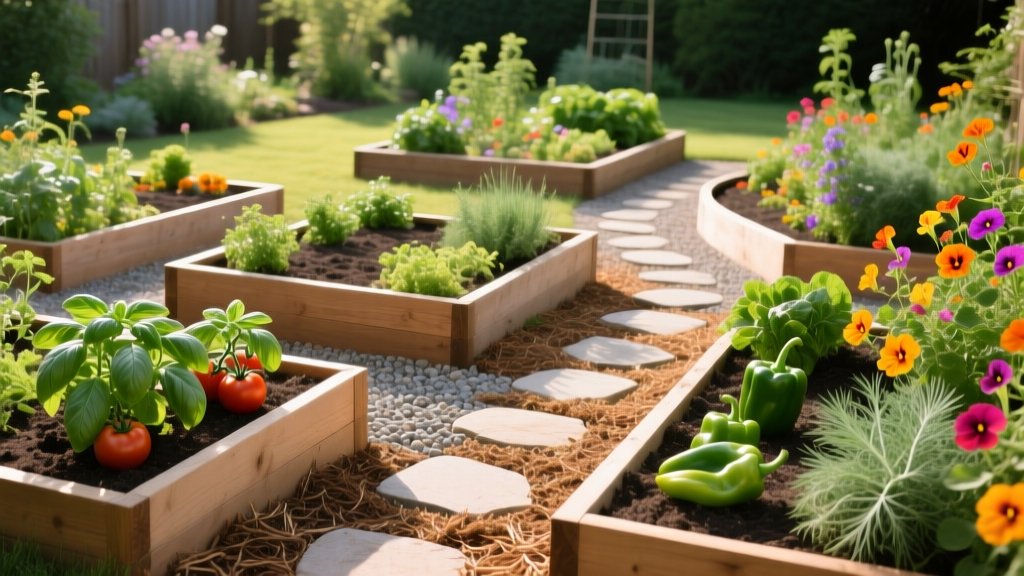
Designing a Backyard Potager: Raised Bed Layout Plans
Robert HayesPublished
The Philosophy of the Potager Garden
The French kitchen garden, or 'potager', is a masterclass in merging utility with aesthetics. Unlike traditional row-crop vegetable gardens that prioritize sheer caloric yield, a potager is designed to be visually stunning from every angle. It incorporates geometric patterns, vibrant colors, and varying textures by intermingling vegetables, herbs, and edible flowers. Planning a potager requires a thoughtful approach to hardscaping, raised bed construction, and companion planting. Whether you have a sprawling backyard or a modest suburban lot, designing a potager elevates your gardening experience from a mere chore to a daily visual retreat.
Site Selection and Sun Mapping
Before sketching your layout, you must identify the optimal microclimate. Vegetables and most flowering herbs require a minimum of six to eight hours of direct sunlight daily. Spend a weekend mapping the sun patterns across your yard. Note how shadows from trees, fences, and your home shift from morning to late afternoon.
Proximity to the kitchen is another hallmark of the traditional potager. The garden should be easily accessible for quick harvests of fresh herbs and salad greens while cooking. Furthermore, ensure your chosen site is within reach of a water source. Hauling hoses across the yard daily will quickly diminish the joy of maintaining your garden. A flat or gently sloping terrain is ideal to prevent water runoff and soil erosion from your raised beds.
Raised Bed Dimensions and Spacing
The foundation of a modern potager is the raised bed. According to the University of Minnesota Extension, raised garden beds should be no wider than 4 feet if accessible from both sides, or 2 feet if placed against a wall or fence. This crucial measurement ensures you can reach the center of the bed to plant, weed, and harvest without ever stepping on the soil, thereby preventing compaction and maintaining soil aeration.
Depth is equally important. While 12 inches is the standard minimum for shallow-rooted crops like lettuce and radishes, a depth of 18 to 24 inches is highly recommended for a potager. This deeper profile accommodates deep-rooted vegetables like carrots, parsnips, and indeterminate tomatoes, while also providing better moisture retention during peak summer heat.
Pathway width is often an afterthought, but it dictates the flow and functionality of your design. Main pathways should be at least 3 to 4 feet wide to accommodate a wheelbarrow and allow two people to walk side-by-side. Secondary paths between individual beds can be narrower, around 2 feet, but must be wide enough for you to comfortably kneel or squat while tending to the plants.
Raised Bed Material Comparison
The materials you choose for your raised beds will define the visual character and longevity of your potager. Below is a comparison of the most popular materials used in contemporary garden design.
| Material | Est. Cost (4x8 ft bed) | Lifespan | Aesthetic & Pros | Cons |
|---|---|---|---|---|
| Untreated Cedar | $120 - $160 | 10 - 15 years | Classic, natural look; naturally rot-resistant. | Will eventually silver and degrade; requires occasional sealing. |
| Composite Timber | $250 - $350 | 25+ years | Uniform appearance; zero maintenance; no splinters. | High upfront cost; can bow outward if not properly braced. |
| Corrugated Galvanized Steel | $90 - $130 | 20 - 30 years | Modern, industrial-chic; heats soil faster in spring. | Can overheat soil in extreme southern climates; sharp edges. |
| Woven Willow/Hazel | $80 - $120 | 5 - 8 years | Rustic, traditional cottage garden aesthetic. | Short lifespan; difficult to source pre-made in large sizes. |
Designing the Pathways
Pathways are the veins of your potager, guiding the eye and the gardener through the space. Bare dirt paths will quickly turn into muddy quagmires and become a haven for weeds. Consider these practical and attractive pathway materials:
- Crushed Gravel or Decomposed Granite: Excellent drainage and a satisfying crunch underfoot. Requires a weed barrier fabric underneath and occasional raking. Cost: $1.50 to $3.00 per square foot.
- Arborist Wood Chips: Often available for free from local tree services. They break down over time, adding organic matter to the surrounding soil, but require annual top-ups. Cost: Free to $0.50 per square foot.
- Clay Pavers or Brick: Offers a formal, structured look perfect for traditional French parterre designs. Requires a leveled sand base. Cost: $4.00 to $8.00 per square foot.
Vertical Elements and Focal Points
A successful potager design utilizes the vertical plane to maximize yield and draw the eye upward. Incorporating trellises, obelisks, and arches breaks up the horizontal monotony of raised beds. Plant indeterminate peas, pole beans, and vining nasturtiums on bamboo teepees. An arched trellis spanning a main pathway, covered in climbing roses or scarlet runner beans, creates a breathtaking focal point and a sense of enclosed intimacy within the garden.
Companion Planting for Beauty and Yield
In a potager, companion planting is both a pest-management strategy and a design tool. Pairing plants with contrasting leaf shapes and complementary bloom colors creates living tapestries. Furthermore, specific pairings can deter pests and attract beneficial pollinators.
| Primary Crop | Companion Plant | Design & Biological Benefit |
|---|---|---|
| Tomatoes | French Marigolds & Basil | Marigold roots deter nematodes; basil repels hornworms. Bright orange blooms contrast beautifully with green tomato foliage. |
| Brassicas (Cabbage, Kale) | Nasturtiums & Dill | Nasturtiums act as a trap crop for aphids. Dill attracts parasitic wasps. Trailing nasturtiums soften the hard edges of raised beds. |
| Carrots | Alliums (Chives, Leeks) | The strong scent of alliums masks the smell of carrots, confusing carrot rust flies. Chive blossoms add delicate purple accents. |
| Pole Beans | Sweet Alyssum | Alyssum provides a living mulch, retains moisture, and attracts hoverflies whose larvae consume aphids. |
Sample 4x8 Foot Potager Layout
To visualize how these concepts come together, here is a practical planting plan for a standard 4x8 foot raised bed, oriented with the 8-foot side running North to South to prevent taller plants from shading shorter ones.
- North End (Back): A 6-foot tall wooden trellis supporting indeterminate cherry tomatoes and climbing snap peas.
- Center-Left: Block of bush zucchini, underplanted with trailing nasturtiums to act as a living mulch and trap crop.
- Center-Right: Swiss chard and kale, chosen for their vibrant, deeply textured leaves that provide visual interest even when not flowering.
- South End (Front Edge): A border of dwarf French marigolds, culinary thyme, and compact basil varieties. This low-growing border ensures the front of the bed remains tidy and accessible.
Soil Preparation and Budgeting
The success of your potager hinges entirely on soil quality. Filling raised beds with native topsoil often leads to drainage issues and compaction. Instead, utilize a high-quality soil blend. A modified version of the popular Square Foot Gardening mix works exceptionally well for potagers: 40% high-quality compost, 30% coco coir (a sustainable alternative to peat moss), and 30% coarse vermiculite. This mixture is light, fluffy, retains moisture beautifully, and is rich in nutrients. Expect to spend between $40 and $70 per 4x8 bed to fill it to an 18-inch depth using bulk materials from a local landscape supply yard, which is significantly cheaper than buying bagged soils from a big-box store.
Seasonal Succession Planning
A potager must remain visually engaging and productive across multiple seasons. Succession planting is the key to avoiding bare, unsightly patches of dirt. As your spring radishes and spinach finish producing in early summer, immediately replace them with heat-loving crops like bush beans or ornamental peppers. In late summer, sow fast-growing fall crops like arugula, mizuna, and winter radishes. By maintaining a detailed garden journal and planning your seed orders in the winter, you ensure your potager remains a vibrant, overflowing cornucopia from the first thaw of spring until the hard frosts of late autumn.
'The true art of the potager lies not just in the harvest it provides, but in the daily joy it offers the gardener through its structured beauty and living ecology.' - Adapted from traditional French horticultural principles.
