Home & Garden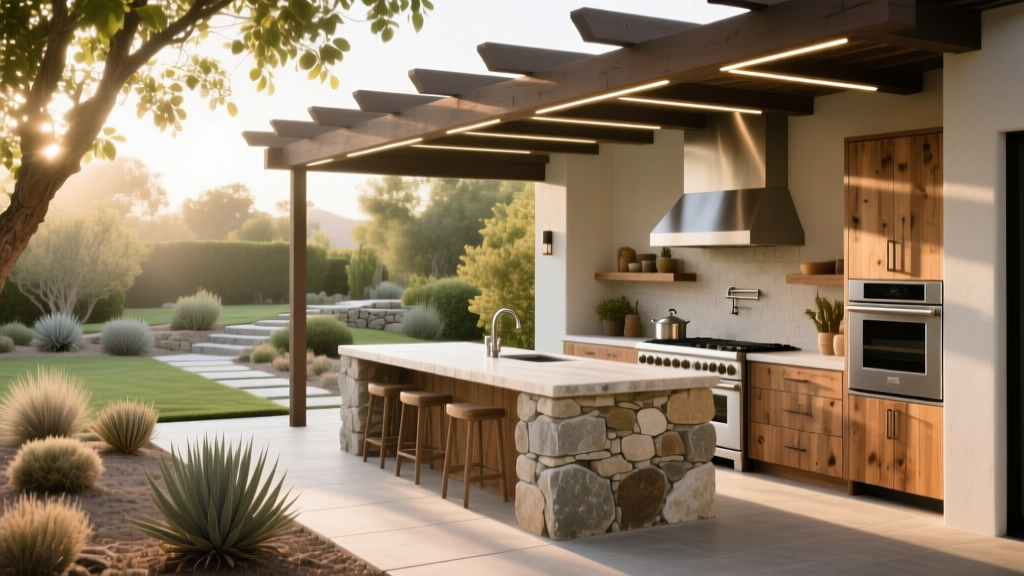
Designing Energy-Efficient Outdoor Kitchens And Patios
Sarah ChenPublished
The modern home seamlessly blends the comfort of indoor living with the natural beauty of the outdoors. As homeowners increasingly seek to expand their usable square footage, the outdoor kitchen and patio have evolved from simple concrete slabs with a charcoal grill into sophisticated, energy-efficient extensions of the home. Designing an eco-friendly outdoor living space requires careful planning, strategic material selection, and the integration of smart home technology. Whether you are envisioning a garden-to-table culinary setup or a cozy, passive-solar lounge area, this guide will walk you through the essential design ideas and planning steps to create a sustainable outdoor oasis.
Strategic Site Planning for Passive Climate Control
Before pouring concrete or ordering stone, you must understand your yard's microclimate. Energy-efficient landscaping is the foundation of a sustainable patio. According to the U.S. Department of Energy, carefully placed trees and shrubs can reduce a home's energy consumption for heating and cooling by up to 25%.
Sun Mapping and Windbreaks
Track the sun's path across your property during different seasons. For patios in hot, southern climates, plant deciduous trees (like the Red Maple or Oak) 15 to 20 feet away from the western and southern edges of your patio. These trees provide dense shade during the scorching summer months, naturally cooling your outdoor kitchen and reducing the ambient temperature by up to 6°F. In the winter, their bare branches allow sunlight to warm the hardscaping. Conversely, if you live in a region with harsh winter winds, plant dense evergreen windbreaks (such as Arborvitae or Eastern Redcedar) on the north and northwest sides of your property. This creates a sheltered outdoor living zone that remains usable well into the late autumn.
Hardscaping: Permeable Pavers and Thermal Mass
The materials beneath your feet dramatically impact both the environment and the ambient temperature of your outdoor space. Traditional concrete and asphalt absorb and radiate heat, creating an urban heat island effect that makes your patio uncomfortably hot and increases the cooling load on your nearby indoor spaces.
The Case for Permeable Pavers
To combat heat absorption and manage stormwater runoff, opt for permeable pavers. The Environmental Protection Agency (EPA) highlights permeable pavement as a crucial green infrastructure tool that reduces runoff, filters pollutants, and mitigates heat islands. Products like AquaPave or Belgard's permeable lines allow rainwater to percolate into the soil, replenishing groundwater and keeping the surface temperature significantly lower than solid concrete. Furthermore, consider incorporating crushed gravel or decomposed granite pathways between your main patio and the surrounding garden beds. These materials are highly permeable, inexpensive, and provide a satisfying crunch underfoot while allowing rainwater to reach the root systems of your nearby trees and shrubs.
| Material | Heat Absorption | Permeability | Avg. Cost (per sq. ft.) | Best Use Case |
|---|---|---|---|---|
| Poured Concrete | High | None | $6 - $12 | Budget foundations, modern aesthetics |
| Permeable Pavers | Low to Medium | High | $10 - $20 | Eco-friendly patios, pool decks, driveways |
| Natural Flagstone | Medium | Low (joint dependent) | $15 - $30 | Rustic gardens, premium outdoor kitchens |
| Composite Decking | Medium to High | High (between boards) | $12 - $22 | Elevated patios, low-maintenance lounging |
The Outdoor Kitchen: Garden-to-Table and Energy-Saving Appliances
An outdoor kitchen is the heart of the modern garden-to-table lifestyle. Designing this space with energy efficiency in mind means selecting the right appliances and integrating your culinary setup with your garden beds.
Appliance Selection
Avoid running heavy electrical lines or relying on inefficient charcoal setups. Instead, invest in a high-quality Kamado-style ceramic grill (like the Big Green Egg or Kamado Joe). These grills use radiant heat and thick ceramic insulation to cook food using a fraction of the charcoal required by standard kettle grills, maintaining steady temperatures for hours with minimal fuel. For refrigeration, choose an Energy Star-certified outdoor-rated compact refrigerator, such as those from Marvel Outdoor or True Refrigeration, which utilize advanced compressors designed to operate efficiently even in 100°F+ ambient heat.
Integrating Raised Herb Gardens
Bridge the gap between garden and table by flanking your outdoor prep counters with 18-inch tall raised cedar planter beds. This specific height aligns perfectly with standard 36-inch counter heights, allowing you to effortlessly snip fresh rosemary, basil, and mint directly into your dishes without bending over. Fill these beds with a mix of 60% topsoil, 30% compost, and 10% coco coir to ensure optimal drainage and moisture retention.
The Three Zones of an Eco-Friendly Outdoor Kitchen
- The Hot Zone: Position your Kamado grill or pizza oven on the prevailing wind's leeward side to prevent smoke from blowing into the dining area. Use a non-combustible stone backsplash to protect nearby structures.
- The Prep Zone: Install a stainless steel sink with a low-flow aerator (1.5 GPM) connected to a dedicated greywater diversion system that safely routes runoff to your ornamental garden beds.
- The Cold Zone: House your Energy Star refrigerator and beverage center in a shaded, insulated cabinet enclosure to reduce the compressor's workload during peak summer heat.
Smart Home Integration: Lighting and Irrigation
A truly modern outdoor living space leverages smart technology to conserve resources and enhance the ambiance without manual intervention.
Smart Irrigation for Surrounding Landscaping
The landscaping surrounding your patio requires hydration, but traditional timers waste millions of gallons of water annually by watering during rainstorms. Upgrading to a smart irrigation controller, such as the Rachio 3 or Rain Bird ARC8, connects your sprinkler system to local weather stations via Wi-Fi. The EPA WaterSense program notes that smart controllers can save the average home nearly 7,600 gallons of water annually. These devices automatically skip watering cycles when rain is in the forecast and adjust run times based on seasonal evapotranspiration rates.
Solar and Smart LED Lighting
Illuminate your outdoor kitchen and dining areas using a combination of solar-powered pathway lights and smart LED hardscape lighting. Install low-voltage LED strip lighting under the lip of your stone countertops and beneath built-in seating. Pair these with a smart hub like Lutron Caséta or Philips Hue Outdoor, allowing you to program lighting scenes that dim automatically as the evening progresses, reducing light pollution and saving electricity. For outdoor audio, consider solar-powered Bluetooth speakers that mount discreetly under the eaves or patio umbrella, eliminating the need to run high-voltage wiring through your garden while providing ambient music for your garden-to-table dinner parties.
Budgeting Your Eco-Friendly Outdoor Oasis
Planning a sustainable outdoor kitchen and patio is an investment that yields high returns in both property value and energy savings. Below is a general cost breakdown for a mid-sized, 200-square-foot eco-friendly outdoor kitchen and patio project.
| Project Component | Specifications | Estimated Cost Range |
|---|---|---|
| Hardscaping | 200 sq. ft. Permeable Pavers | $2,000 - $4,000 |
| Outdoor Kitchen Island | 8 ft. stucco block with granite top | $3,500 - $6,000 |
| Appliances | Kamado grill, Energy Star mini-fridge | $2,500 - $4,500 |
| Smart Irrigation | Rachio 3 controller + drip lines | $400 - $800 |
| Lighting | Smart LED hardscape and solar accents | $600 - $1,200 |
| Raised Garden Beds | Two 8x2 ft. cedar beds + soil | $500 - $900 |
| Total Estimated Cost | Complete 200 sq. ft. Oasis | $9,500 - $17,400 |
According to the American Society of Landscape Architects (ASLA), sustainable outdoor living spaces are consistently ranked among the top consumer demands, with a specific focus on water conservation, native plant integration, and energy-efficient lighting.
Conclusion
Designing an energy-efficient outdoor kitchen and patio is a multifaceted process that marries environmental stewardship with luxurious living. By utilizing passive solar landscaping, selecting permeable and thermally efficient hardscaping, and integrating smart home irrigation and lighting, you create a space that is as kind to the planet as it is enjoyable for your family. Careful planning and a commitment to sustainable materials will ensure your outdoor oasis remains a beautiful, functional, and eco-friendly retreat for decades to come. Whether you are hosting a summer garden-to-table dinner party or enjoying a quiet, shaded morning coffee, your thoughtfully designed outdoor space will serve as a testament to the harmony between modern convenience and natural preservation.
