Pest Control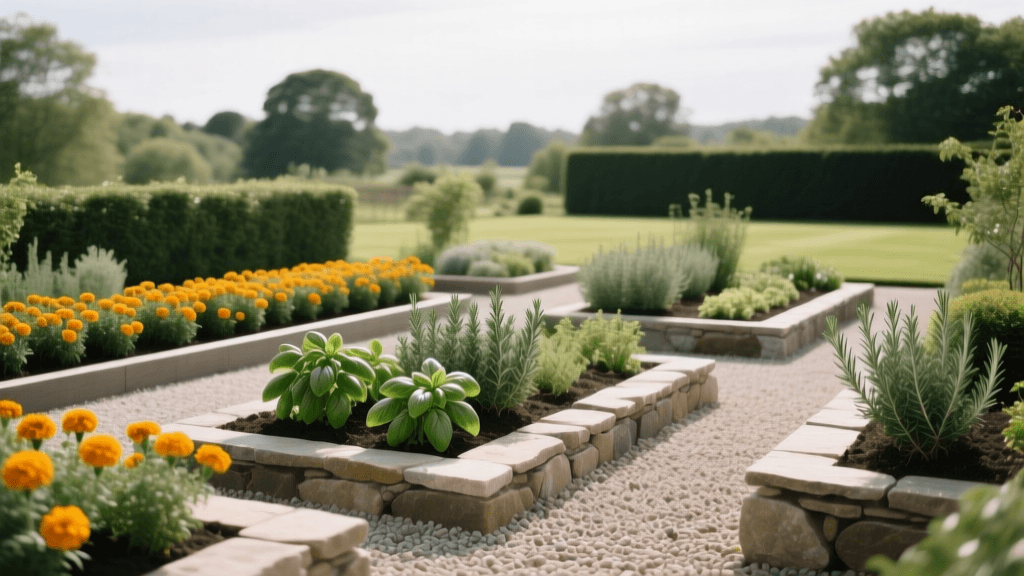
Designing a Pest-Resistant Garden: Layout and Plant Pairings
Introduction to Defensive Garden Design
When most homeowners think of pest control, they envision reactive measures: spraying chemical pesticides after an infestation has already taken hold. However, the most effective and sustainable approach to managing garden pests begins long before the first seed is sown or the first shrub is planted. By adopting the principles of Integrated Pest Management (IPM) during the landscape design phase, you can create an environment that naturally deters pests, reduces the need for chemical interventions, and promotes a thriving, balanced ecosystem. According to the Environmental Protection Agency (EPA), IPM focuses on long-term prevention of pests through a combination of techniques such as biological control, habitat manipulation, and modification of cultural practices.
Designing a pest-resistant garden is not about creating a sterile, impenetrable fortress. Instead, it is about strategic planning, intelligent plant pairings, and utilizing hardscaping elements to make your yard less inviting to destructive insects and rodents while remaining highly attractive to beneficial predators. In this guide, we will explore actionable design ideas and planning strategies to pest-proof your landscape from the ground up.
Strategic Zoning and Hardscaping for Pest Deterrence
The physical layout of your garden and the hardscaping materials you choose play a massive role in pest prevention. Many common pests, including termites, carpenter ants, and rodents, rely on specific environmental conditions—such as excess moisture, dense ground cover near structures, and uninterrupted soil access—to establish their colonies.
By implementing strategic zoning, you can create natural barriers that disrupt pest life cycles and protect your most vulnerable plants and structures. Consider the following hardscaping and layout strategies:
- The 18-Inch Foundation Buffer: Maintain an 18-inch gap between your home's foundation and any soil or mulch. Fill this buffer zone with crushed stone or gravel. This creates a dry, exposed perimeter that deters termites, centipedes, and rodents from nesting near your home's siding.
- French Drains and Grading: Standing water is a primary breeding ground for mosquitoes. Ensure your garden design includes proper grading (a minimum slope of 1 inch per 10 feet away from structures) and incorporate French drains in low-lying areas to eliminate stagnant water pockets.
- Stone Mulch in High-Risk Zones: While organic wood mulch is excellent for soil health, it can harbor slugs, pillbugs, and termites. Use inorganic stone mulch or rubber mulch in garden beds that directly abut your home or wooden fences.
- Elevated Pathways: Using raised gravel or flagstone pathways improves drainage and reduces the damp, shaded soil conditions that slugs and snails prefer for daytime hiding.
The Art of Companion Planting and Strategic Pairings
Companion planting is a cornerstone of organic garden design. By strategically placing certain plants next to each other, you can mask the scent of vulnerable crops, emit natural repellents, or even lure pests away from your prized vegetables. Penn State Extension notes that while some companion planting claims are anecdotal, many plant pairings have proven biochemical interactions that disrupt pest foraging behaviors.
When planning your garden beds, use the following companion planting matrix to design layouts that naturally suppress pest populations:
| Primary Crop | Companion Plant | Target Pest Deterred | Mechanism of Action |
|---|---|---|---|
| Tomatoes | French Marigolds | Root-Knot Nematodes | Marigold roots release alpha-terthienyl, a compound toxic to nematodes. |
| Brassicas (Cabbage, Kale) | Alliums (Garlic, Onions) | Cabbage Moths, Aphids | Strong sulfur compounds mask the scent of brassicas, confusing foraging moths. |
| Roses | Garlic and Chives | Aphids, Japanese Beetles | Odor masking and natural fungicidal properties reduce black spot and aphid attraction. |
| Cucumbers | Radishes | Cucumber Beetles | Radishes act as a trap crop, drawing beetles away from cucumber vines. |
| Beans | Rosemary and Catnip | Bean Beetles | Aromatic oils confuse and repel adult beetles looking for egg-laying sites. |
When designing your garden layout, intersperse these companion plants heavily throughout your beds rather than planting them in isolated borders. A randomized, polyculture layout makes it significantly harder for specialized pests to locate their host plants compared to traditional monoculture rows.
Designing Habitats for Beneficial Insects
A truly pest-resistant garden is not devoid of insects; rather, it is teeming with the right insects. Designing specific zones to attract and retain beneficial predators—such as ladybugs, lacewings, parasitic wasps, and ground beetles—is a critical component of proactive pest management. According to the University of California Integrated Pest Management (UC IPM) program, conserving natural enemies is one of the most effective long-term strategies for keeping pest populations below damaging thresholds.
To design a beneficial insect habitat, incorporate the following elements into your landscape plan:
- Umbelliferous Flowers: Plants with shallow, umbrella-shaped flower clusters (like yarrow, dill, fennel, and Queen Anne's lace) provide essential nectar for tiny parasitic wasps, which lay their eggs inside destructive caterpillars and aphids.
- Overwintering Sanctuaries: Leave a small, undisturbed "wild" corner in your garden design. Piles of hollow stems, leaf litter, and untreated logs provide vital overwintering habitats for ladybugs and solitary bees.
- Insect Hotels: Integrate architectural insect hotels into your hardscaping. These structures, filled with bamboo tubes, drilled wood blocks, and pinecones, offer nesting sites for solitary bees and predatory beetles.
- Ground Cover for Ground Beetles: Plant low-growing, dense ground covers like creeping thyme or clover between stepping stones. These provide the damp, shaded environments that predatory ground beetles need to hunt slugs and cutworms at night.
Structural Defenses: Raised Beds and Root Protection
For gardeners battling subterranean pests like voles, gophers, and moles, the physical design of your planting beds is your first line of defense. Raised beds offer an excellent opportunity to engineer a physical barrier against root-destroying rodents.
When planning and constructing raised beds, line the entire bottom of the bed with 1/2-inch galvanized hardware cloth before adding soil. Ensure the wire extends at least 6 inches up the interior sides of the bed and is securely stapled to the wood. This specific mesh size is small enough to prevent gophers and voles from squeezing through, yet large enough to allow earthworms and proper water drainage. Avoid using chicken wire, as its larger hexagonal gaps will easily allow determined rodents to pass through, and it degrades rapidly in moist soil.
Additionally, consider the height of your raised beds. Beds that are at least 18 to 24 inches tall not only improve soil drainage and ergonomics but also create a physical and visual hurdle that deters surface-dwelling pests like rabbits and groundhogs from easily accessing your tender greens.
Lighting Design to Minimize Nighttime Pests
An often-overlooked aspect of garden design is exterior lighting. Standard white or blue-rich LED and fluorescent lights emit high levels of ultraviolet (UV) and blue light, which are highly attractive to nocturnal insects due to a phenomenon called positive phototaxis. Drawing thousands of moths, beetles, and flying ants to your patio or garden beds at night can lead to localized egg-laying and subsequent larval infestations in your nearby plants.
To mitigate this, design your landscape lighting with pest behavior in mind:
- Use Warm Spectrum LEDs: Opt for outdoor bulbs with a color temperature of 2200K to 2700K. These emit a warm, yellowish glow that is far less visible and attractive to most nocturnal insects.
- Sodium Vapor Lights: For pathway lighting, low-pressure sodium vapor lights are virtually invisible to the insect eye, providing human illumination without acting as a beacon for pests.
- Directional Shielding: Design your lighting fixtures to point strictly downward onto pathways and architectural features, rather than radiating outward into the garden canopy or up into the night sky.
Conclusion
Designing a pest-resistant garden requires a shift in perspective from reactive eradication to proactive environmental management. By thoughtfully planning your hardscaping buffers, leveraging the biochemical defenses of companion plants, engineering physical barriers against subterranean threats, and cultivating habitats for beneficial predators, you can create a landscape that naturally defends itself. This design-forward approach not only reduces your reliance on chemical pesticides but also fosters a healthier, more resilient, and biologically diverse garden ecosystem for years to come.