Pest Control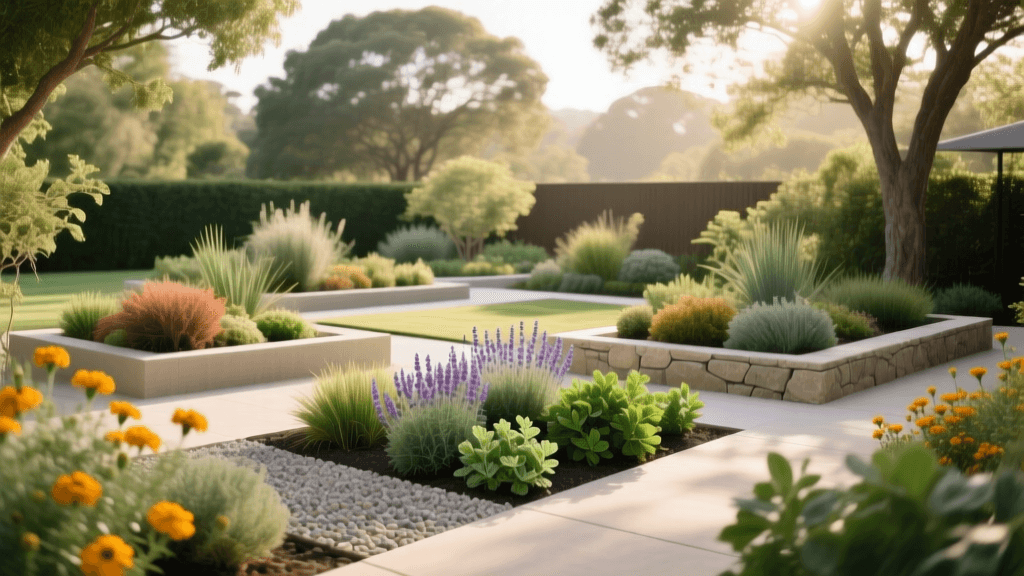
Designing Pest Resistant Landscapes And Garden Layouts
The Foundation of Preventive Landscape Design
When homeowners plan a new garden or redesign their yard, the primary focus is usually on aesthetics, curb appeal, and functionality. However, integrating pest control into the initial landscape design phase is one of the most effective ways to minimize long-term maintenance, reduce chemical reliance, and protect your investment. This proactive approach is the cornerstone of preventive Integrated Pest Management (IPM). According to the Environmental Protection Agency (EPA), IPM focuses on the long-term prevention of pests or their damage through a combination of techniques such as biological control, habitat manipulation, and modification of cultural practices. By designing your landscape with pest behavior and biology in mind, you create an environment that is inherently hostile to invaders while remaining welcoming to beneficial organisms.
Designing a pest-resistant landscape requires a holistic view of your outdoor space. It involves analyzing microclimates, planning hardscape buffers, selecting appropriate plant materials, and designing irrigation systems that do not inadvertently create breeding grounds for insects and rodents. Below, we explore the critical design strategies and planning elements necessary to build a naturally resilient yard.
Hardscaping and Defensive Perimeters
The transition zone between your home's foundation and the surrounding soil is a critical vulnerability in residential pest defense. Termites, carpenter ants, centipedes, and rodents frequently use mulch, dense groundcovers, and soil bridges to gain undetected access to your home's wooden structures and weep holes. To mitigate this, landscape planning must incorporate defensive hardscaping buffers.
During the design phase, plan for an 18 to 24-inch wide perimeter of inorganic material immediately adjacent to the foundation. Crushed stone, pea gravel, or decorative river rock are excellent choices. These materials do not retain moisture, do not provide a food source, and create a physical barrier that is difficult for soft-bodied insects and burrowing rodents to cross. For optimal drainage and weed suppression, excavate the area to a depth of 3 inches, lay down a permeable geotextile landscape fabric, and fill with 3/4-inch crushed gravel. The estimated cost for this defensive barrier ranges from $1.50 to $3.50 per square foot, depending on regional material costs. Installing this barrier in early spring, before the first generation of swarmers and foragers emerges, provides immediate protection.
Mulch Planning and Soil Health
While mulch is essential for soil moisture retention and temperature regulation, traditional hardwood or pine bark mulches can harbor pests. When planning your garden beds, consider the pest-repellent properties of specific organic mulches. Cedar and cypress mulches contain natural aromatic oils, such as thujone, which are known to repel ants, cockroaches, and certain species of moths.
However, placement is just as important as material selection. A common design flaw is "volcano mulching," where mulch is piled high against the base of trees and shrubs. This traps moisture against the bark, inviting fungal pathogens and wood-boring insects, while also providing a warm, hidden nesting site for rodents. In your landscape plan, mandate a strict 2 to 3-inch maximum depth for mulch layers, and maintain a clear, 6-inch mulch-free ring around the base of all woody plants and tree trunks.
Strategic Plant Placement and Companion Planting
Plant selection dictates the baseline pest pressure your garden will endure. Certain plants are highly susceptible to specific pests (e.g., ash trees to emerald ash borers, or roses to aphids and Japanese beetles). A well-planned landscape incorporates pest-resistant cultivars and utilizes companion planting to naturally deter invaders. The University of California Statewide Integrated Pest Management Program (UC IPM) emphasizes that selecting plants adapted to your local climate and soil conditions reduces plant stress, making them naturally less attractive to sap-sucking insects and borers.
Below is a planning chart for integrating pest-repellent plants into your garden borders and vegetable bed perimeters:
| Plant Species | Target Pests Deterred | Design Placement Strategy | Maintenance Notes |
|---|---|---|---|
| Marigolds (Tagetes patula) | Root-knot nematodes, aphids, whiteflies | Border plantings around vegetable beds and rose gardens | Plant in full sun; deadhead to promote continuous blooming |
| Chives (Allium schoenoprasum) | Japanese beetles, carrot rust flies, aphids | Interplanted with carrots, tomatoes, and along walkways | Drought tolerant; divide clumps every 3 years |
| Lavender (Lavandula angustifolia) | Fleas, moths, ticks, mosquitoes | Patio perimeters, seating area borders, and hardscape edges | Requires excellent drainage; avoid overhead watering |
| Chrysanthemums (Chrysanthemum spp.) | Roaches, ants, spider mites, harlequin bugs | Fall garden displays and entryway container gardens | Contains natural pyrethrins; keep away from pets if ingested |
| Garlic (Allium sativum) | Fungus gnats, spider mites, snails | Underplanting fruit trees and perimeter bed edging | Plant cloves in autumn for early summer harvest |
Irrigation Planning to Starve Moisture-Loving Pests
Overwatering and poor drainage are primary catalysts for pest infestations. Moisture-loving pests such as slugs, snails, fungus gnats, and earwigs thrive in damp, poorly aerated environments. Furthermore, standing water is a breeding ground for mosquitoes, which can carry serious diseases.
When designing your irrigation layout, transition away from traditional overhead spray heads in garden beds. Overhead watering wets the foliage, creating an ideal environment for fungal diseases like powdery mildew, which in turn attracts pests that feed on stressed, decaying plant tissue. Instead, plan for a subsurface drip irrigation system. Drip lines deliver water directly to the root zone at a slow, measurable rate (typically 0.5 to 1.0 gallons per hour per emitter). This keeps the soil surface and plant leaves dry, drastically reducing the habitat suitability for slugs and fungal gnats. Additionally, incorporate rain gardens or French drains into your low-lying areas to eliminate puddling and standing water within 24 hours of a heavy rainfall.
Designing for Airflow and Sunlight Penetration
Pests and the fungal diseases that attract them flourish in stagnant, humid microclimates. A common mistake in landscape design is overcrowding plant materials to achieve an "instant" mature look. As plants grow, their canopies merge, blocking sunlight and restricting air circulation. This shaded, humid environment is a haven for aphids, scale insects, and spider mites.
To prevent this, use the mature spread of the plant—not its nursery container size—to dictate spacing in your design plan. For hedges and privacy screens, select species that naturally maintain an open structure, or plan for annual structural pruning to elevate the canopy and allow cross-breezes to pass through. By ensuring that morning sun can quickly dry dew from the leaves, you disrupt the life cycles of many soft-bodied insects and fungal pathogens.
Lighting Design to Deter Nocturnal Pests
Landscape lighting is essential for safety and ambiance, but standard mercury vapor or bright white LED fixtures act as a beacon for nocturnal insects. Moths, beetles, and flying ants are highly attracted to the ultraviolet (UV) and blue light spectrums emitted by cool-toned bulbs. These insects, in turn, attract predatory pests like spiders, centipedes, and even bats or rodents to the immediate vicinity of your home.
During the lighting design phase, specify warm-colored LEDs with a color temperature of 2700K or lower, or use yellow sodium vapor bulbs for pathway and security lighting. These longer-wavelength lights are far less visible to the compound eyes of most insects. Furthermore, employ directional shielding and motion sensors to ensure light is only cast downward where needed, and only activated when necessary, minimizing the ecological disruption to local insect populations.
Creating Insectary Zones for Biological Control
A truly sustainable landscape does not aim to eradicate all insects; rather, it seeks balance. Designing specific "insectary zones" encourages the presence of beneficial predatory insects that act as a natural, free pest control service. According to the University of Maryland Extension, providing continuous blooms, shelter, and water sources is vital for retaining beneficial insects like ladybugs, lacewings, ground beetles, and parasitic wasps in your garden.
Dedicate 5% to 10% of your garden layout to an insectary strip. Plant a diverse mix of umbellifers (like dill, fennel, and yarrow) and composite flowers (like coneflowers and asters) that provide easily accessible nectar and pollen. Include a shallow water feature, such as a birdbath filled with pebbles and water, allowing beneficial insects to drink without drowning. Avoid the use of broad-spectrum chemical pesticides in these zones, as these will indiscriminately kill the very predators you are trying to attract. By planning these biological sanctuaries into your initial layout, you establish a self-regulating ecosystem that keeps pest populations below damaging thresholds naturally.
Conclusion
Designing a pest-resistant landscape is an exercise in foresight and ecological awareness. By strategically planning hardscape buffers, selecting companion plants, optimizing irrigation, and designing for airflow and beneficial habitats, you can drastically reduce the need for reactive chemical treatments. A well-planned yard not only looks beautiful but functions as a resilient, self-sustaining ecosystem that naturally defends itself against common lawn and garden pests.