Gardening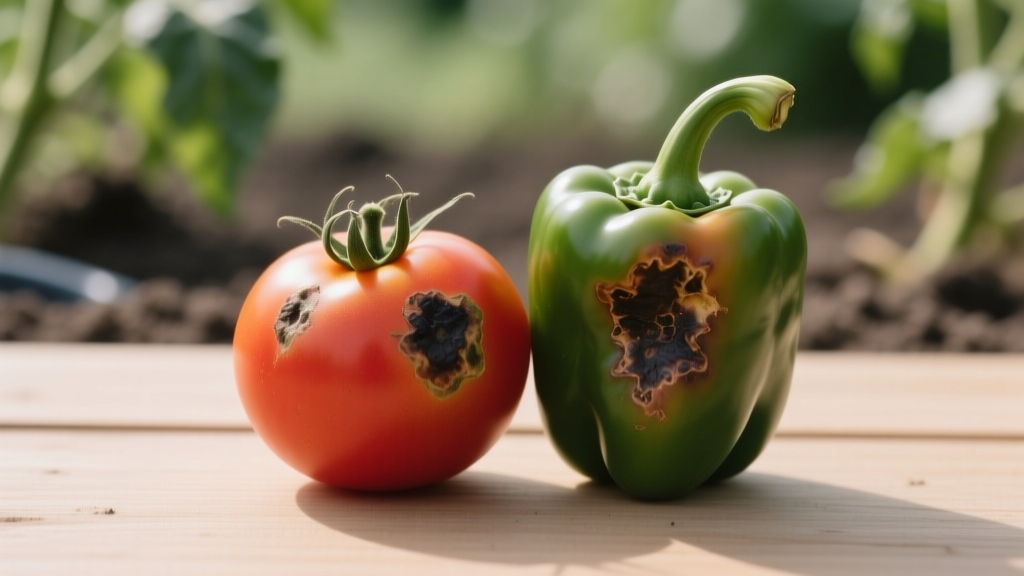
How to Diagnose and Fix Blossom End Rot in Tomatoes
Mike RodriguezPublished
Understanding Blossom End Rot: Diagnosis and Identification
Gardening brings immense joy, but few things are as heartbreaking as walking into your vegetable garden to find your first ripe tomatoes ruined by a dark, leathery black spot on the bottom. This notorious condition is known as blossom end rot (BER). It affects not only tomatoes but also peppers, eggplants, and cucurbits like squash and melons. While it looks like a devastating fungal disease or an aggressive pest infestation, blossom end rot is actually a physiological disorder. Understanding the difference between a pathogen and a physiological issue is the first step toward effective problem diagnosis and implementing the right solutions for your garden.
What Exactly is Blossom End Rot?
Blossom end rot manifests as a water-soaked, light brown lesion on the blossom end of the fruit (the side opposite the stem). As the fruit expands, this lesion enlarges, turning dark brown to black, and becomes sunken and leathery. Secondary fungi or bacteria may eventually invade the damaged tissue, causing the fruit to rot completely, but these are opportunistic invaders, not the primary cause. The primary cause is a localized calcium deficiency within the developing fruit itself.
Symptom Identification Chart: BER vs. Common Tomato Diseases
Proper diagnosis is critical. Applying fungicides to a physiological problem wastes money and harms beneficial soil microbes. Use the following comparison chart to accurately diagnose your plant's issues.
| Condition | Visual Symptoms | Location on Fruit | Primary Cause |
|---|---|---|---|
| Blossom End Rot | Sunken, leathery, dark brown/black lesions | Blossom end (bottom) only | Calcium transport failure / Water stress |
| Sunscald | White or yellow papery, blistered patches | Sides facing direct sun | Excessive UV exposure / Lack of leaf canopy |
| Anthracnose | Small, circular, sunken spots with dark concentric rings | Anywhere on ripe fruit | Fungal pathogen (Colletotrichum) |
| Early Blight | Dark, leathery spots with concentric rings near the stem | Stem end (top) or shoulders | Fungal pathogen (Alternaria solani) |
The Real Culprit: Calcium Mobility vs. Soil Deficiency
A common misconception among home gardeners is that blossom end rot means the soil lacks calcium. In reality, most garden soils contain more than enough calcium to support a massive tomato harvest. The issue is rarely an absolute deficiency in the soil; rather, it is a problem of calcium mobility. Calcium moves through the plant's xylem via the transpiration stream—essentially, it rides along with water as the plant drinks. Because leaves transpire (lose water to the air) much faster than developing fruits, calcium is naturally pulled toward the leaves and away from the fruit. When the soil is too dry, too wet, or the plant's roots are damaged, water flow is disrupted, and the rapidly expanding cells at the blossom end of the fruit collapse without adequate calcium to build their cell walls.
Immediate Solutions: How to Save Your Current Crop
If you spot blossom end rot on your early-season tomatoes, do not panic. The plant can still recover and produce healthy fruit later in the season if you correct the environmental stressors immediately.
- Remove Affected Fruit: Pluck off any tomatoes or peppers showing signs of BER. The plant will waste energy trying to mature these damaged fruits. Removing them redirects the plant's resources and available calcium to new, healthy blossoms.
- Stabilize Soil Moisture: This is the most critical step. Tomatoes require 1 to 1.5 inches of water per week. Implement a drip irrigation system with a timer to deliver water directly to the root zone consistently. Avoid overhead watering, which wets the foliage and promotes fungal diseases. Water deeply to a depth of 6 to 8 inches to encourage deep root growth.
- Apply Mulch: Spread a 2 to 3-inch layer of organic mulch, such as straw, shredded leaves, or untreated grass clippings, around the base of the plants. Keep the mulch a few inches away from the main stem to prevent rot. Mulch regulates soil temperature and drastically reduces moisture evaporation, keeping the transpiration stream steady.
Long-Term Prevention Strategies: Soil Prep and Amendments
Preventing blossom end rot starts before you even plant your seedlings. Proper soil preparation ensures that roots can access nutrients efficiently.
Test Your Soil pH
Calcium is most available to plants when the soil pH is between 6.5 and 6.8. If your soil is too acidic (below 6.0), calcium becomes bound up and unavailable. Purchase a reliable digital soil pH meter or send a sample to your local cooperative extension. If your pH is low, incorporate pelletized garden lime at a rate of 5 to 10 pounds per 100 square feet, depending on your soil test results, ideally 2 to 3 months before planting.
Add Gypsum for Calcium Without Altering pH
If your soil pH is already in the optimal range but you have a history of BER, apply pelletized gypsum (calcium sulfate). Gypsum adds bioavailable calcium and sulfur without raising the soil pH. Apply 1 to 2 pounds of gypsum per 100 square feet and work it into the top 6 inches of soil prior to transplanting. A standard 40-pound bag of gypsum costs roughly $15 to $20 at most garden centers and will treat a large garden area.
Container Gardening and Raised Bed Considerations
Tomatoes grown in containers and raised beds are exceptionally vulnerable to blossom end rot because these environments dry out much faster than in-ground soil. To mitigate this in containers, use a high-quality, well-draining potting mix that includes moisture-retaining components like coconut coir. Consider adding a slow-release, balanced organic fertilizer like Espoma Organic Tomato-tone (3-4-6), which contains 8% calcium, at planting time. For raised beds, ensure the soil mix is composed of 60% topsoil, 30% compost, and 10% perlite or pumice to maintain consistent moisture retention and drainage. During peak summer heat, container tomatoes may require watering twice a day to maintain the steady moisture levels required for calcium uptake.
Common Myths Debunked
The internet is full of home remedies for blossom end rot that are either ineffective or actively harmful to your plants.
- Myth 1: Watering with Milk. Pouring milk on the soil or spraying it on leaves will not cure BER. While milk contains calcium, it is not in a form easily absorbed by plant roots, and the sugars and fats will attract pests and promote harmful bacterial growth in the soil.
- Myth 2: Adding Epsom Salts. Epsom salt is magnesium sulfate. Magnesium and calcium compete for uptake by the plant's roots. Adding Epsom salts to soil that already has adequate magnesium will actually block the plant from absorbing the calcium it desperately needs, making blossom end rot significantly worse.
- Myth 3: Foliar Calcium Sprays are a Cure-All. While calcium chloride foliar sprays exist, they are largely ineffective for BER because calcium does not move easily from the leaves into the fruit. Furthermore, spraying calcium salts on hot days can cause severe leaf burn.
Authoritative Insights on Physiological Disorders
According to the Cornell University College of Agriculture and Life Sciences, blossom end rot is strictly a physiological disorder related to calcium transport and water stress, not a fungal or bacterial pathogen. Their extension guidelines emphasize that maintaining uniform soil moisture and avoiding excessive nitrogen fertilization—which promotes rapid leafy growth that outpaces calcium uptake—are the most effective, scientifically backed methods for preventing this disorder.
By focusing on consistent watering, proper soil preparation, and ignoring counterproductive internet myths, you can successfully diagnose, treat, and ultimately prevent blossom end rot, ensuring a bountiful and beautiful harvest from your vegetable garden.
