Gardening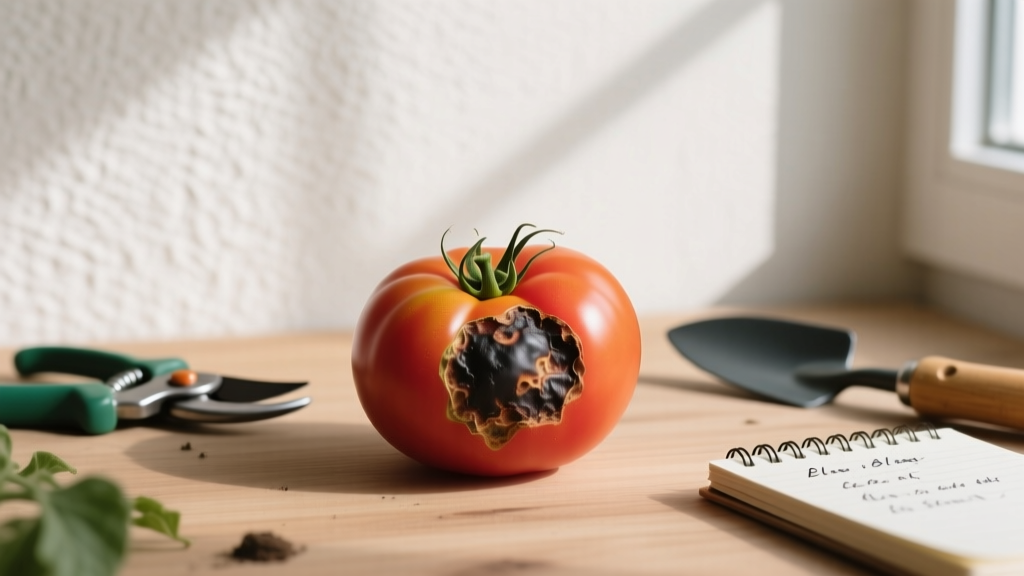
Blossom End Rot in Tomatoes: Diagnosis and Solutions
Emily WatsonPublished
Diagnosing Blossom End Rot: Signs and Symptoms
Blossom end rot (BER) is one of the most frustrating and common physiological disorders that plague home gardeners growing tomatoes. Unlike fungal or bacterial infections, blossom end rot is not caused by a pathogen. It is a localized calcium deficiency within the developing fruit itself. If you have ever walked into your garden to find your nearly ripe tomatoes sporting ugly, sunken, blackened lesions on the bottom, you have likely encountered this issue.
The symptoms almost always begin as a small, water-soaked spot on the blossom end of the fruit (the end opposite the stem). As the tomato grows, this spot rapidly expands, turning dark brown or black, and developing a dry, leathery texture. While it most commonly affects the first flush of fruit in early summer, it can strike at any point in the growing season if environmental conditions become highly erratic.
Blossom End Rot vs. Common Tomato Diseases
Before applying any treatments, it is crucial to correctly diagnose the problem. Many gardeners mistake BER for fungal diseases and unnecessarily apply fungicides. Use the comparison table below to accurately identify what is attacking your crop.
| Condition | Location on Fruit | Appearance | Primary Cause |
|---|---|---|---|
| Blossom End Rot | Bottom (blossom end) | Sunken, black, dry, and leathery patches | Calcium transport issue (Physiological) |
| Early Blight | Anywhere, mostly top/sides | Dark spots with concentric rings (target-like) | Fungal (Alternaria solani) |
| Anthracnose | Anyhere on ripe fruit | Sunken, circular, watery spots with dark centers | Fungal (Colletotrichum) |
| Sunscald | Top or side facing sun | White, papery, blistered, or flattened patches | Excessive direct UV exposure |
The True Cause: It Is Rarely a Lack of Calcium
The most widespread myth in vegetable gardening is that blossom end rot is caused by a lack of calcium in the soil. In reality, most garden soils contain more than enough calcium to support a healthy tomato crop. The true culprit is uneven soil moisture.
Calcium is transported through the plant's xylem (the vascular tissue responsible for moving water and nutrients upward from the roots). Calcium moves passively with water. When the soil is too dry, or when soil moisture fluctuates wildly between soggy and bone-dry, the plant struggles to pull up enough water. Because the leaves transpire (lose water to the atmosphere) much faster than the fruit does, the plant prioritizes sending the limited available water—and the calcium it carries—to the leaves. The fruit, which has a very low transpiration rate, is starved of calcium, resulting in the cellular collapse we see as blossom end rot.
According to the Cornell University College of Agriculture and Life Sciences, blossom end rot is a physiological disorder caused by a localized calcium deficiency in the developing fruit, typically triggered by fluctuating soil moisture and rapid vegetative growth rather than an absolute lack of calcium in the soil profile.
5 Actionable Solutions to Stop and Prevent BER
Once a tomato has developed blossom end rot, that specific fruit cannot be cured. You should immediately pick and compost the affected fruit so the plant can redirect its energy into producing new, healthy tomatoes. To protect the rest of your harvest and prevent future occurrences, implement the following solutions.
1. Implement Consistent Drip Irrigation
Tomatoes require exactly 1.5 to 2 inches of water per week, including rainfall. The key is consistency. Overhead watering leads to wet foliage (inviting fungal disease) and uneven soil penetration. Invest in a drip irrigation system or soaker hoses. A standard 50-foot drip tape kit costs around $20 and delivers water directly to the root zone. Pair this with an inexpensive digital hose timer (approx. $25) to ensure your plants receive a slow, deep watering early every morning. To verify your soil moisture levels, use a tool like the XLUX Soil Moisture Meter (approx. $12) to check that the top 6 inches of soil remain consistently damp but not waterlogged.
2. Apply a Thick Organic Mulch Layer
Mulch is your best defense against the soil moisture fluctuations that trigger BER. Apply a 3 to 4-inch layer of organic mulch around the base of your tomato plants. Pine straw, shredded cedar bark, or untreated grass clippings work exceptionally well. A standard bale of pine straw costs about $6 and can cover 4 to 5 tomato plants. Be sure to keep the mulch about 2 inches away from the main stem to prevent stem rot and deter pests like voles. Mulch regulates soil temperature, drastically reduces evaporation, and keeps the soil moisture levels remarkably stable.
3. Balance Soil pH and Add Gypsum
Calcium is most available to plants when the soil pH is between 6.2 and 6.8. If your soil is too acidic, calcium becomes locked up and unavailable to the roots, regardless of how much is present. Conduct a soil test using a kit from your local university extension office or a reliable home test kit. If your pH is low and you need to raise it while adding calcium, apply Garden Lime. However, if your pH is already optimal (or slightly alkaline) but you suspect a true calcium deficiency, apply Pelletized Gypsum (Calcium Sulfate). Gypsum adds abundant calcium without altering the soil pH. A 30-pound bag of Espoma Organic Gypsum costs around $18; apply 1/2 cup per plant, scratching it gently into the top inch of soil and watering it in thoroughly.
4. Avoid High-Nitrogen Fertilizers
Excessive nitrogen promotes rapid, lush, leafy vegetative growth. As mentioned earlier, the leaves are the primary draw for water and calcium. If your plant is pushing out massive amounts of new foliage, the developing fruit will lose the competition for calcium. Avoid synthetic, high-nitrogen fertilizers like ammonium sulfate or standard lawn fertilizers. Furthermore, ammonium ions actually compete with calcium ions for uptake in the root zone, exacerbating the problem. Instead, use a balanced, slow-release organic fertilizer with a lower nitrogen ratio, such as Espoma Garden-tone (4-3-4) or a dedicated tomato fertilizer that includes supplemental calcium.
5. Choose Resistant Varieties and Prune Wisely
Some tomato varieties are simply more susceptible to blossom end rot than others. Large-fruited heirlooms and long, paste-type tomatoes (like Roma or San Marzano) are notoriously prone to BER due to their fruit structure and water distribution. If you have struggled with BER in the past, select resistant or semi-resistant varieties such as 'Celebrity', 'Mountain Pride', or 'Jet Star'. Additionally, avoid over-pruning indeterminate varieties. Removing too many leaves exposes the fruit to direct sun (causing sunscald) and reduces the plant's overall ability to regulate its internal water pressure.
Frequently Asked Questions
Can I eat a tomato that has blossom end rot?
Yes, the rot itself is not toxic, nor is it caused by a harmful pathogen. However, the affected tissue is tough, leathery, and unpalatable. Simply take a clean knife, cut away the blackened, sunken portion of the bottom of the tomato, and consume the rest of the fruit as normal. Be aware that the damaged tissue can sometimes provide an entry point for secondary fungal infections, so if you see mold growing inside the rot, discard the entire fruit.
Do foliar calcium sprays work to cure blossom end rot?
No. Many garden centers sell liquid calcium sprays designed to be applied directly to the leaves and fruit. While these sprays might provide a tiny amount of surface calcium, they are largely ineffective at curing or preventing BER. Calcium is highly immobile within the plant's phloem, meaning it cannot be absorbed through the fruit's skin and transported to the inner tissues where it is needed. Focus your efforts entirely on root-zone moisture management and soil health for the only proven, long-term solutions.
