Pest Control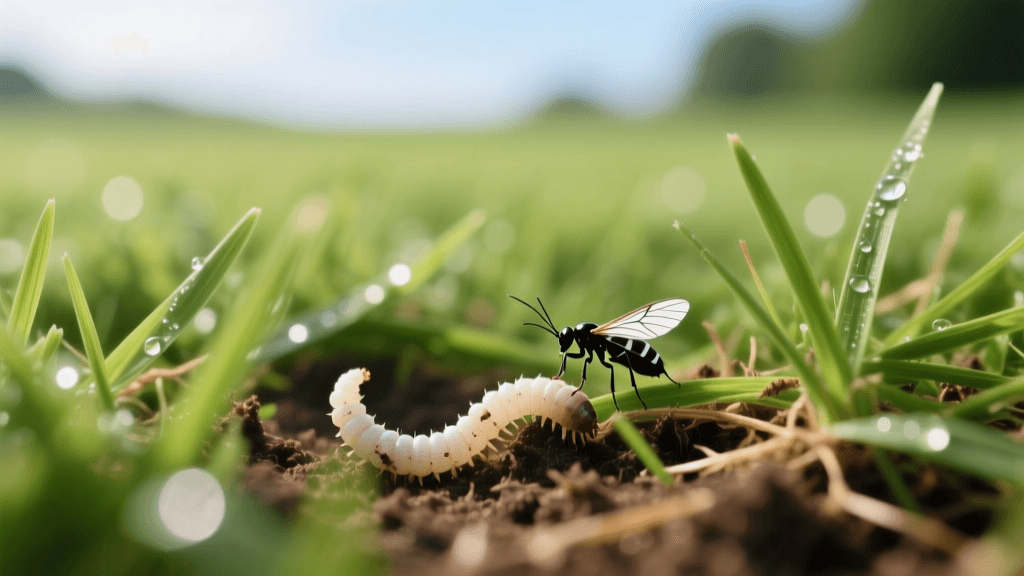
How to Diagnose Lawn Pests: Grubs, Chinch Bugs, Armyworms
Introduction to Turf Pest Troubleshooting
A brown, patchy lawn is a homeowner's worst nightmare, but before you rush to the garden center to buy a broad-spectrum chemical pesticide, you must accurately identify the culprit. Misdiagnosing a lawn problem is not only a waste of time and money, but it can also harm beneficial insects and exacerbate the underlying issue. According to the principles of Integrated Pest Management (IPM), accurate problem diagnosis is the critical first step in any pest control strategy. In this comprehensive troubleshooting guide, we will break down how to differentiate between three of the most destructive turf pests: white grubs, southern chinch bugs, and fall armyworms.
The Golden Rule: Diagnose Before You Treat
Many lawn issues present with similar above-ground symptoms: wilting, yellowing, or browning grass. Drought stress, fungal diseases like brown patch, and pest damage can look nearly identical to the untrained eye. The troubleshooting framework requires you to look below the surface, examine the grass blades closely, and perform simple, low-cost diagnostic tests. By isolating the exact pest, you can apply targeted treatments that save your lawn and protect the local ecosystem.
White Grubs: The Subterranean Root Destroyers
Symptoms and Identification
White grubs are the larval stage of various beetles, including Japanese beetles, June bugs, and European chafers. Because they live underground and feed on grass roots, the damage they cause often mimics severe drought stress. The grass will turn brown, wilt, and feel spongy underfoot. According to the University of Kentucky Entomology, a heavily infested lawn can be rolled back like a loose carpet because the root system has been completely severed.
The Tug Test and Soap Flush
To diagnose a grub infestation, perform the 'tug test.' Grab a handful of brown grass and pull gently. If the turf lifts easily with little to no root resistance, grubs are likely present. To confirm, mix 1.5 ounces of liquid dish soap into one gallon of water and drench a one-square-yard area of the lawn's edge. Wait 10 minutes. If more than 5 to 10 grubs surface per square foot, treatment is necessary.
Treatment and Costs
Grub control is divided into preventative and curative approaches. Preventative treatments using Imidacloprid (e.g., Bayer Advanced Grub Killer) should be applied in early summer (June to early July) before eggs hatch. This costs roughly $40 to $50 per 5,000 square feet. If you discover an active infestation in late summer or early fall, you must use a fast-acting curative product like Trichlorfon (e.g., Dylox). Curative treatments cost about $15 to $25 per 2,000 square feet and must be watered in immediately to reach the soil-dwelling larvae. For an organic approach, applying beneficial nematodes (Heterorhabditis bacteriophora) in late summer is highly effective, though it requires careful soil moisture management and costs around $35 to $50 per application.
Southern Chinch Bugs: The Sap-Sucking Menace
Symptoms and Identification
Chinch bugs are a primary threat to warm-season grasses, particularly St. Augustine grass. Unlike grubs, chinch bugs do not eat roots; they pierce the grass blades and suck out the plant juices, injecting a toxic saliva that blocks water movement within the plant. Damage typically appears in hot, sunny areas near driveways or sidewalks, starting as yellowing patches that quickly turn brown and die. The University of Florida IFAS Extension notes that chinch bug damage is frequently misdiagnosed as drought or irrigation failure.
The Coffee Can Diagnostic Test
To troubleshoot for chinch bugs, you need the 'coffee can test.' Take a metal coffee can, cut out both the top and bottom lids, and push the can about two inches into the soil at the margin of a damaged and healthy patch of grass. Fill the can with water and keep the water level topped off for five minutes. Chinch bugs will float to the surface. If you count 20 to 25 chinch bugs per square foot, intervention is required.
Treatment and Costs
Curative treatment for chinch bugs involves liquid or granular insecticides containing Bifenthrin or Clothianidin. Liquid applications are generally preferred for immediate knockdown because they coat the grass blades and thatch layer where the bugs hide. A liquid Bifenthrin concentrate costs about $25 to $35 per bottle, which can treat up to 10,000 square feet when properly diluted. To prevent future outbreaks, reduce thatch buildup through annual aeration, as thick thatch provides an ideal, pesticide-resistant habitat for chinch bugs.
Fall Armyworms: The Foliage Devourers
Symptoms and Identification
Fall armyworms are caterpillars that can decimate a lawn in a matter of days, particularly Bermudagrass and tall fescue. They feed on the foliage, leaving the grass looking scorched, transparent, or completely scalped. A telltale sign of an impending armyworm invasion is a sudden influx of birds, particularly starlings and grackles, aggressively pecking at your lawn. The NC State Extension warns that armyworms often 'march' in large groups, leaving a distinct line between healthy and destroyed turf.
Soap Flush and Bird Activity
While the soapy water flush used for grubs also works to bring armyworms to the surface, visual inspection is often enough. Part the grass canopy in the transition zone between green and brown grass. Look for 1.5-inch greenish-brown caterpillars with distinct light stripes running down their sides and an inverted 'Y' shape on their heads.
Treatment and Costs
Because armyworms feed above ground, they are highly susceptible to organic treatments. Bacillus thuringiensis var. kurstaki (Bt) is a naturally occurring soil bacterium that specifically targets caterpillars without harming bees, pets, or humans. A bottle of Bt concentrate costs around $20 to $30 and is highly effective when applied early in the caterpillar's life cycle. For severe, late-stage infestations, a synthetic pyrethroid like Lambda-cyhalothrin or Bifenthrin will provide rapid knockdown. Treatment should be applied in the late afternoon or early evening when armyworms are most actively feeding.
Diagnostic Comparison Chart
Use the following troubleshooting table to quickly isolate the pest affecting your lawn based on visual clues and diagnostic test results.
| Pest | Primary Turf Target | Damage Location | Diagnostic Test | Best Curative Treatment |
|---|---|---|---|---|
| White Grubs | Cool & Warm Season | Roots (Spongy turf) | Tug Test / Soap Flush | Trichlorfon (Dylox) |
| Chinch Bugs | St. Augustine | Stems/Blades (Hot spots) | Coffee Can Float Test | Bifenthrin (Liquid) |
| Armyworms | Bermuda / Fescue | Foliage (Scalped grass) | Visual / Bird Activity | Bt (Organic) or Pyrethroids |
Lawn Recovery and Post-Treatment Care
Eradicating the pest is only half the battle; troubleshooting your lawn's recovery is equally important. Once the pests are controlled, the damaged areas will not magically turn green overnight. For grub damage, you will likely need to rake away the dead, detached turf, lightly aerate the exposed soil, and overseed with a compatible grass blend. Apply a starter fertilizer high in phosphorus to encourage rapid root development, and keep the top inch of soil consistently moist for the first two weeks.
For chinch bug and armyworm damage, the grass crown is often still alive even if the blades are brown. Deep, infrequent watering and a balanced application of nitrogen fertilizer (such as a 20-0-5 blend) will stimulate the surviving crowns to push out new growth. Avoid applying pre-emergent herbicides if you plan to overseed bare patches, as these products will prevent your new grass seed from germinating. By combining precise diagnosis, targeted treatment, and proactive cultural recovery, you can restore your lawn to its former glory and build a resilient turf that naturally resists future pest invasions.