Pest Control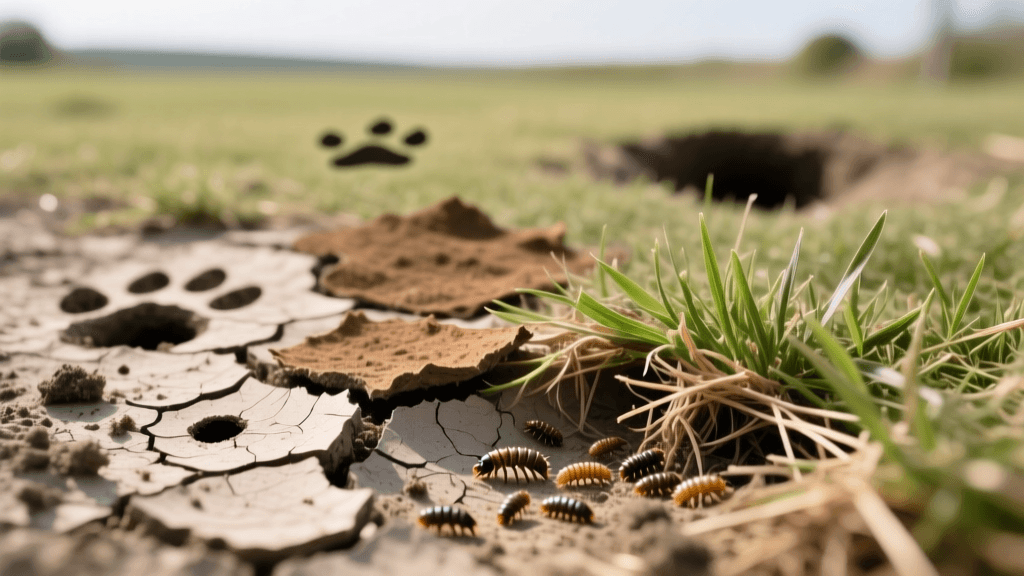
Diagnosing Dead Lawn Patches: Grubs vs. Drought Stress
Introduction to Late-Summer Lawn Troubleshooting
When late summer and early fall arrive, homeowners frequently panic at the sight of irregular brown patches spreading across their once-lush turf. The immediate instinct is often to apply a broad-spectrum insecticide or turn the sprinklers on for hours a day. However, misdiagnosing the root cause of turf decline can waste hundreds of dollars on unnecessary chemicals and exacerbate environmental stress. Effective integrated pest management (IPM) begins with accurate problem diagnosis. The three most common culprits for late-season lawn browning are white grub infestations, severe drought stress, and secondary animal damage. This guide will walk you through the exact troubleshooting steps, diagnostic tests, and targeted treatment plans required to rescue your lawn.
The Tug Test: Diagnosing White Grub Damage
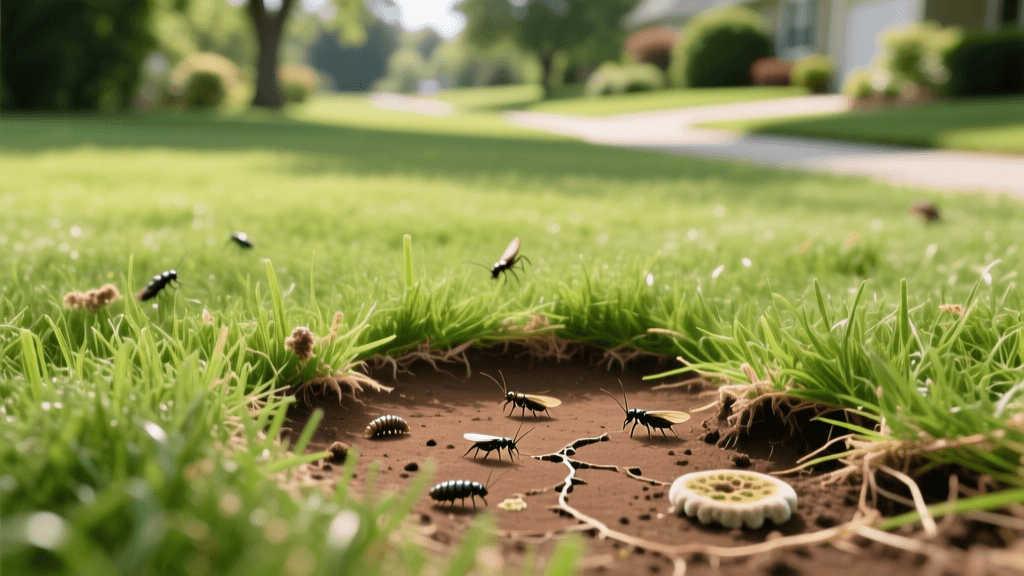
White grubs are the soil-dwelling larval stage of scarab beetles, including Japanese beetles, June bugs, and European chafers. These C-shaped, creamy-white pests feed aggressively on grassroots, severing the plant's ability to absorb water and nutrients. Because the damage occurs below the soil surface, the symptoms often mimic drought stress. To differentiate between the two, lawn care professionals rely on the 'Tug Test'.
How to Perform the Tug Test
- Step 1: Locate the margin where green, healthy grass meets the brown, dying turf.
- Step 2: Grip the brown grass firmly at the base and pull upward with steady pressure.
- Step 3: Observe the root structure. If the turf rolls back easily like a newly laid carpet and you see few to no intact roots, grubs have likely severed the root system.
- Step 4: Use a flat-edged spade to cut a 12-inch by 12-inch square of sod, about 3 inches deep, and peel it back. Count the number of grubs in the soil and on the roots.
The Threshold: Finding 1 to 5 grubs per square foot is normal and generally does not require chemical intervention. However, if you count 10 or more grubs per square foot, you have an active infestation that requires immediate curative treatment.
Identifying Drought Stress and Turf Dormancy
Before assuming insects are the culprit, you must rule out environmental factors. Cool-season grasses like Kentucky bluegrass and tall fescue will naturally enter a state of dormancy during prolonged periods of heat and low rainfall to conserve energy. Drought-stressed grass turns a dull, bluish-gray green before eventually browning out.
The Screwdriver Soil Probe Test
To diagnose drought stress, perform the screwdriver test. Take a standard 6-inch flathead screwdriver and attempt to push it into the soil in the brown patch. If the soil is heavily compacted and dry, the screwdriver will not penetrate more than an inch or two. Furthermore, look for 'footprinting'. Walk across the suspect area and look back. If your footprints remain visible in the grass blades for several minutes, the turf lacks the turgor pressure (water content) necessary to spring back, confirming severe drought stress.
Secondary Troubleshooting: Animal Digging and Foraging
Sometimes, the damage to your lawn is not caused by the primary pest, but by the predators hunting them. Skunks, raccoons, armadillos, and flocks of crows actively forage for soil-dwelling grubs in the late summer. If you notice the turf has been flipped over in small, localized craters, or if the grass looks like it has been violently raked, you are dealing with animal foraging. While the animals are the immediate cause of the cosmetic damage, their presence is a strong biological indicator that a high population of grubs exists beneath the soil surface. Treating the grub population is the only long-term way to deter these nocturnal diggers.
Diagnostic Comparison Chart: Grubs vs. Drought vs. Fungus
Use the following structured comparison chart to quickly narrow down the cause of your lawn's decline based on visual symptoms and environmental conditions.
| Diagnostic Feature | White Grub Damage | Drought Stress | Brown Patch Fungus |
|---|---|---|---|
| Root Condition | Severed, missing, turf rolls like carpet | Intact but dry, difficult to pull | Intact, but roots may be rotting |
| Soil Moisture | Can be moist or dry | Extremely dry, hard, compacted | Often damp, humid, over-watered |
| Leaf Blade Symptoms | Wilting, browning from tip down | Bluish-gray tint, folding blades | Dark tan lesions with smoke rings |
| Patch Shape | Irregular, expanding dead zones | Uniform browning in sunny areas | Circular patches, 1 to 5 feet wide |
| Secondary Signs | Animal digging, birds pecking | Footprinting, cracked soil | White mycelium in early morning |
Step-by-Step Treatment and Recovery Plan
Once you have accurately diagnosed the problem, you must deploy the correct treatment strategy. Applying fungicides to drought-stressed grass or watering a grub-infested lawn without applying an insecticide will yield zero results.
Curative Grub Control (Late Summer/Fall)
If you discover an active infestation of mature grubs in August or September, preventative products will no longer work. You must use a fast-acting curative insecticide. The industry standard for curative control is Trichlorfon (commonly sold under the brand name Dylox). Trichlorfon breaks down quickly in the soil but delivers a rapid knockdown of active grubs within 24 to 48 hours. Expect to spend approximately $15 to $25 for a bag that treats 1,000 square feet. Apply the granules using a broadcast spreader and immediately water the lawn with at least 0.5 inches of water to move the active ingredient into the root zone where the grubs are feeding.
Preventative Grub Control (Spring/Early Summer)
To avoid future troubleshooting, shift to a preventative IPM strategy the following year. Products containing Chlorantraniliprole (e.g., Scotts GrubEx) or Imidacloprid (e.g., Merit) should be applied between April and early June. These systemic insecticides are absorbed by the grassroots, killing young grubs as they hatch and begin feeding in late July. Preventative products cost around $40 to $60 for 5,000 square feet and are significantly safer for non-target pollinators when applied correctly and watered in.
Drought Recovery Strategies
If the diagnosis is drought stress, your turf needs deep, infrequent watering to encourage deep root growth. Lawns require about 1 to 1.5 inches of water per week during peak summer heat. To measure this, place empty tuna cans around your lawn and time how long it takes your sprinkler system to fill them to a depth of 1 inch (usually 30 to 45 minutes). Water deeply twice a week rather than lightly every day. If the grass has been dormant for more than four weeks, apply a light application of a slow-release nitrogen fertilizer (0.5 lbs of nitrogen per 1,000 sq ft) to aid in recovery once temperatures cool in the fall.
It is also crucial to aerate the lawn if the soil has become hydrophobic (water-repellent) due to severe drying. Core aeration pulls small plugs of soil from the ground, allowing water, oxygen, and liquid fertilizers to penetrate directly into the root zone. Pairing aeration with a light top-dressing of compost can dramatically improve the soil's water retention capacity for future dry spells.
Fall Overseeding for Pest-Damaged Lawns
If your tug test confirmed grub damage, or if animal digging has left your lawn looking like a war zone, chemical control is only half the battle. You must actively repair the turf. The optimal window for lawn renovation is early fall (late August through mid-September). Begin by raking out the dead, detached thatch and debris left behind by foraging animals. Loosen the top inch of soil with a stiff garden rake to ensure good seed-to-soil contact. Select a high-quality, drought-tolerant turfgrass seed blend appropriate for your USDA hardiness zone, such as a mix of tall fescue and Kentucky bluegrass. Apply the seed at a rate of 4 to 6 pounds per 1,000 square feet for overseeding. Keep the top inch of soil consistently moist by watering lightly two to three times a day until germination occurs, usually within 10 to 14 days. By combining accurate pest diagnosis with proactive fall renovation, you can transform a damaged, patchy lawn into a dense, resilient turf that naturally resists future pest invasions and environmental stressors.
Expert Sources and Further Reading
For more in-depth scientific data on turfgrass pests and integrated pest management, consult the following authoritative extension resources:
- Michigan State University Extension: Grub Control in Home Lawns - Provides detailed thresholds and life-cycle timelines for regional scarab beetles.
- University of California IPM: Pest Notes on White Grubs - Offers comprehensive biological control methods and environmental safety guidelines.
- Penn State Extension: White Grubs in Home Lawns - Features excellent diagnostic imagery and curative chemical efficacy charts.