Pest Control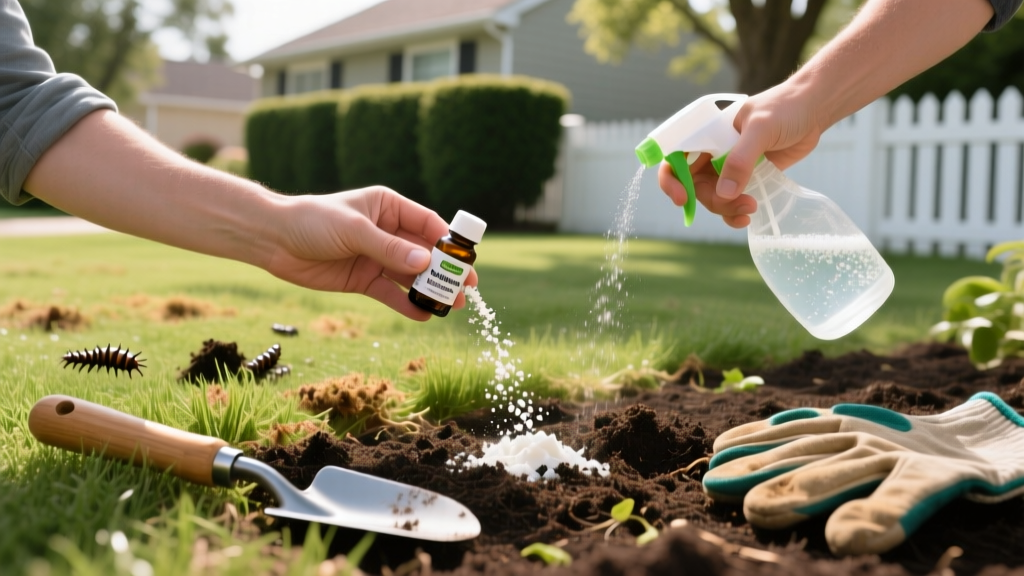
Budget-Friendly DIY Grub Control Solutions for Lawns
James MillerPublished
The High Cost of Lawn Grubs (And How to Beat It)
White grubs are the larval stage of various scarab beetles, including Japanese beetles, June bugs, and European chafers. These C-shaped, cream-colored pests live just beneath the soil surface, voraciously chewing through the root systems of your turfgrass. The result is a lawn that feels spongy underfoot, develops large brown patches, and can literally be rolled back like a carpet. To make matters worse, secondary pests like raccoons, skunks, and crows will tear up your yard to feast on the protein-rich grubs, causing thousands of dollars in cosmetic damage.
Hiring a professional lawn care service to apply synthetic chemical preventatives like chlorantraniliprole or imidacloprid typically costs between $100 and $300 per application, depending on your lot size. However, you do not need to break the bank to save your turf. By leveraging Integrated Pest Management (IPM) principles and budget-friendly DIY biological controls, you can eradicate grub populations for a fraction of the cost while keeping your yard safe for pets, children, and local pollinators.
Step 1: The 2-Cent DIY Soap Flush Test
Before you spend a single dollar on treatments, you must confirm that grubs are actually the culprit. Yellowing grass can also be caused by fungal diseases, drought stress, or chinch bugs. The gold standard for DIY scouting is the soap flush test. This method costs pennies and uses items you already have in your kitchen.
- The Recipe: Mix 2 tablespoons of liquid dish soap (lemon-scented works exceptionally well) into 1 gallon of water.
- The Application: Mark off a 1-square-yard area of your lawn where the healthy green grass meets a brown, damaged patch. Pour the soapy water evenly over this area.
- The Observation: Wait 10 minutes. The surfactant in the soap irritates the grubs' skin and disrupts their breathing, forcing them to the surface.
- The Threshold: Count the grubs. According to the University of Minnesota Extension, a healthy lawn can tolerate a few grubs. However, if you count more than 5 to 10 grubs per square foot, intervention is required to prevent severe turf loss.
Step 2: Biological Warfare on a Budget
Once you have confirmed an infestation, it is time to deploy biological controls. Unlike synthetic chemicals that degrade over a single season, biological agents often reproduce and establish themselves in your soil, providing compounding returns on your initial investment.
Beneficial Nematodes (The Microscopic Assassins)
Beneficial nematodes are microscopic, unsegmented worms that naturally occur in soils worldwide. For grub control, you want to purchase the Heterorhabditis bacteriophora (Hb) species. Unlike some nematodes that wait for prey to come to them, Hb nematodes are active cruisers that hunt down grubs in the soil profile.
Once a nematode enters a grub through a natural opening, it releases a symbiotic bacterium called Photorhabdus luminescens. This bacteria causes septicemia, killing the grub within 48 hours. The nematodes then feed on the bacteria and the decaying grub, reproduce, and burst out to hunt the next victim. A single dead grub can release hundreds of thousands of new nematodes into your soil.
Budget Breakdown & Application: You can purchase 10 million Hb nematodes online for roughly $35 to $45, which is enough to treat 2,000 square feet of lawn. This brings the cost down to about $0.02 per square foot. To ensure success, you must follow strict application rules: 1. Timing: Apply in late summer or early fall when grubs are small and actively feeding near the surface. 2. UV Protection: UV light kills nematodes instantly. Always apply them at dusk or on a heavily overcast day. 3. Hydration: Water the lawn lightly before application to moisten the soil, and water heavily immediately after to wash the nematodes off the grass blades and down into the root zone.
Milky Spore (The Long-Game Investment)
Milky Spore (Paenibacillus popilliae) is a naturally occurring bacterium that specifically targets Japanese beetle grubs. When a grub ingests the spores while feeding on roots, the bacteria multiply inside its body, turning its internal fluids a milky white. When the grub dies, it decomposes and releases billions of new spores back into the soil.
According to University of Kentucky Entomology, milky spore is highly effective but requires patience. It can take 2 to 3 years for the spores to build up to lethal concentrations in the soil. However, once established, a single application can remain effective for 10 to 15 years.
Budget Breakdown & Application: A 10-ounce box of milky spore powder costs around $50 and treats 2,500 square feet. While the upfront cost is higher than nematodes, the annualized cost over a 10-year lifespan is less than $5 per year. Apply it using a grid method: drop 1 teaspoon of powder every 4 feet across your lawn in a checkerboard pattern, then water it in.
DIY Treatment Comparison Chart
Choosing the right budget-friendly treatment depends on your timeline, budget, and the specific beetle species invading your yard. Use the chart below to compare your DIY options.
| Treatment Method | Target Pests | Upfront Cost (per 2,500 sq ft) | Longevity | Speed of Control |
|---|---|---|---|---|
| Hb Nematodes | All white grubs, fleas, ticks | $45 - $60 | 1 Season (requires reapplication) | Fast (3-7 days) |
| Milky Spore | Japanese beetle grubs only | $50 - $65 | 10 - 15 Years | Slow (1-3 years to peak) |
| Neem Oil Drench | Early-stage grubs, surface pests | $15 - $20 | Weeks (requires frequent reapplication) | Moderate (disrupts molting) |
Step 3: Free Cultural Prevention Tactics
The cheapest pest control method is a lawn that is naturally resistant to damage. Grubs thrive in stressed, shallow-rooted turf. By altering your maintenance habits, you can make your lawn an inhospitable environment for egg-laying female beetles while strengthening the grass's ability to survive minor root feeding.
- Mow High (3.5 to 4 Inches): Female Japanese beetles and European chafers prefer to lay their eggs in thin, short turf where the soil is warm and easy to dig into. Keeping your grass tall shades the soil, deterring egg-laying and promoting deeper, more resilient root systems.
- Deep, Infrequent Watering: Watering your lawn for 15 minutes every day keeps roots near the surface, making them easy prey for grubs. Instead, provide 1 to 1.5 inches of water once a week. This forces roots to grow deep into the soil profile, meaning surface-feeding grubs won't cause fatal damage to the plant.
- Manage Thatch Naturally: A thatch layer thicker than 0.5 inches acts as a barrier, preventing your DIY nematode applications from reaching the soil. Core aeration and leaving grass clippings on the lawn (which introduce thatch-decomposing microbes) are free or low-cost ways to manage this layer.
A Note on Tolerance: As experts at Rutgers Cooperative Extension point out, the goal of IPM is not total eradication of pests, but rather managing them below the threshold of economic or aesthetic damage. A few grubs in your soil are a sign of a living, breathing ecosystem. Do not panic and reach for harsh chemicals unless the soap flush test confirms a damaging population.
Conclusion: Smart Spending for a Greener Lawn
You do not need an expensive commercial contract to maintain a pristine, grub-free lawn. By starting with a simple DIY soap flush test, you can accurately diagnose the problem without wasting money on blind preventative treatments. From there, deploying beneficial Hb nematodes offers immediate, budget-friendly relief, while milky spore provides a decade-long biological shield against Japanese beetles. Combine these targeted treatments with smart cultural practices like high mowing and deep watering, and your lawn will naturally outcompete pests, saving you hundreds of dollars year after year.