Pest Control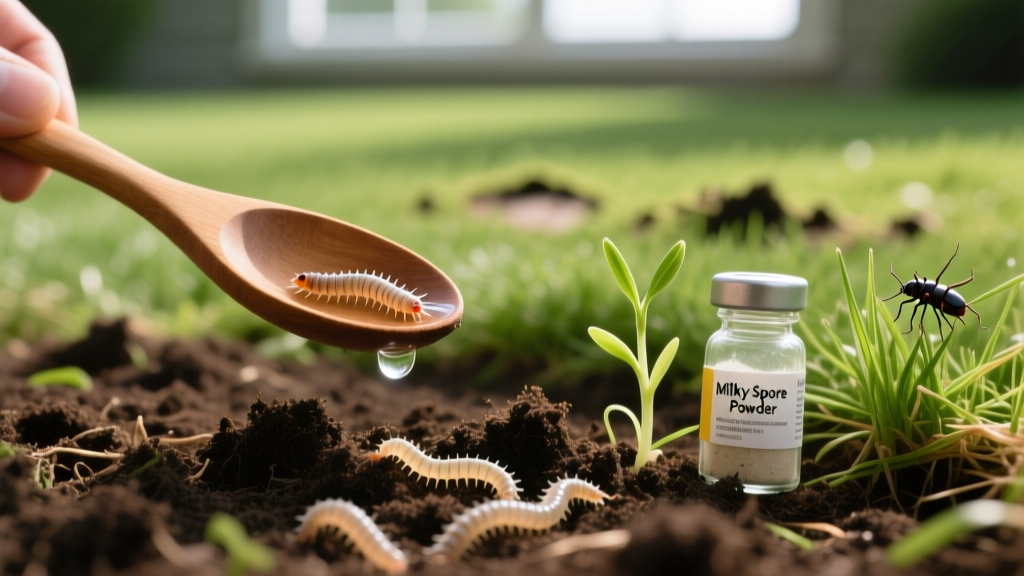
Budget-Friendly DIY Grub Control: Nematodes & Lawn Tips
Mike RodriguezPublished
The High Cost of Grub Damage and Professional Treatments
White grubs are the soil-dwelling larvae of scarab beetles, including the notorious Japanese beetle, June bug, and European chafer. These C-shaped, cream-colored pests feed voraciously on grassroots, severing the turf from its soil base. The result is spongy, brown, easily detachable sod that often attracts secondary damage from foraging skunks, raccoons, and crows. For homeowners, a severe grub infestation can ruin an entire season of lawn care and cost hundreds of dollars in reseeding and repairs.
Traditionally, homeowners have relied on professional pest control services to apply synthetic chemical preventatives like imidacloprid or chlorantraniliprole. While effective, these professional treatments typically cost between $150 and $300 per application for an average-sized lawn. Over a decade, this represents a massive financial drain. Fortunately, integrated pest management (IPM) offers highly effective, budget-friendly DIY solutions that protect your lawn, your wallet, and the local ecosystem.
How to Conduct a Free DIY Grub Survey
Before spending a single dime on treatments, you must confirm that grubs are actually the culprit. Brown patches can also be caused by drought, fungal diseases, or dog urine. Conducting a DIY grub survey is free and takes only ten minutes.
Using a sharp spade, cut three sides of a 12-inch by 12-inch square in your lawn, near the edge of a brown or damaged patch. Peel back the sod like a carpet and count the grubs in the top three inches of soil and roots. According to Penn State Extension, a healthy lawn can usually tolerate a few grubs without showing damage. However, if you count more than 5 to 10 grubs per square foot, treatment is economically and aesthetically justified. Once you have confirmed the threshold, you can move forward with budget-friendly biological controls.
The Ultimate Budget Weapon: Beneficial Nematodes (Hb)
When it comes to DIY organic pest control, beneficial nematodes are the undisputed champions of grub management. Nematodes are microscopic, unsegmented roundworms that naturally occur in soil. For grub control, the specific species you need is Heterorhabditis bacteriophora (often abbreviated as Hb).
These microscopic hunters actively seek out white grubs in the soil. Once they locate a host, they penetrate the grub's body cavity and release a symbiotic bacteria that kills the pest within 48 hours. The nematodes then reproduce inside the dead grub, releasing a new generation of hunters into the soil to find more prey. According to the Environmental Protection Agency (EPA), biological pesticides like nematodes are highly targeted, leaving beneficial insects, earthworms, pets, and humans completely unharmed.
Sourcing and Costs
You can purchase live Hb nematodes online or at specialized garden centers. They are typically sold in sponges or powders mixed with clay. A package containing 50 million nematodes usually costs between $40 and $60 and is sufficient to treat up to 5,000 square feet of lawn. Compared to a $250 professional chemical treatment, this represents an immediate savings of over 75%, with the added benefit of zero toxic runoff.
Step-by-Step Nematode Application Guide
Nematodes are living organisms, meaning their success depends entirely on proper handling and environmental conditions. Follow these strict DIY application steps to ensure your investment pays off:
- Timing is Everything: Apply nematodes in late summer or early fall (August to September) when grubs are young, actively feeding, and close to the soil surface. Soil temperatures must be between 60°F and 85°F.
- Pre-Water the Lawn: Nematodes require moisture to travel through the soil. Apply about 1/4 inch of water to your lawn a few hours before application to soften the ground.
- Mix and Apply: Mix the nematode powder or sponge into a watering can or a hose-end sprayer according to the package directions. Use cool water, as hot water will kill them.
- Avoid UV Exposure: Ultraviolet light is lethal to nematodes. Always apply them in the early morning, late evening, or on a heavily overcast day.
- Post-Water the Lawn: Immediately after application, water the lawn with another 1/4 inch of water. This washes the nematodes off the grass blades and down into the soil where the grubs live.
- Maintain Moisture: Keep the lawn lightly moist for the next 10 to 14 days to allow the nematodes to hunt and reproduce.
Budget Pro Tip: Never buy nematodes from a garden center shelf that has been sitting in direct sunlight or a hot greenhouse. Always order them from reputable suppliers who ship them in insulated coolers with ice packs to ensure they arrive alive and active.
Supplemental Budget Strategies: Cultural Controls
Integrated Pest Management relies heavily on making your lawn an inhospitable environment for pests. You can drastically reduce grub populations for free by altering your cultural lawn care habits.
First, adjust your mowing height. Scalping your lawn stresses the grass and encourages shallow root systems, making them highly susceptible to grub feeding. Set your mower deck to 3.5 or 4 inches. Taller grass develops deeper, more robust roots that can tolerate minor grub feeding without browning. Furthermore, taller grass shades the soil surface, which deters adult female beetles from laying their eggs, as they prefer warm, bare, or closely cropped soil.
Second, modify your watering schedule. Grub eggs require consistent surface moisture to hatch. By switching from frequent, shallow watering to deep, infrequent watering (e.g., one inch of water once a week), you allow the top layer of soil to dry out between waterings. This naturally desiccates many grub eggs before they can hatch, providing free, passive pest control.
Cost and Efficacy Comparison Chart
To understand the long-term financial benefits of DIY biological controls, review the comparison below based on treating a standard 5,000 square foot lawn:
| Treatment Method | Approx. Cost (5,000 sq ft) | Longevity | Environmental Impact | Application Difficulty |
|---|---|---|---|---|
| Professional Chemicals | $150 - $300 | 1 Season | Harmful to pollinators | Low (if hired) |
| DIY Beneficial Nematodes | $40 - $60 | 1-2 Seasons | Zero harm; beneficial | Medium |
| Milky Spore Powder | $80 - $100 | 10-15 Years | Zero harm; targeted | Medium |
| Cultural Controls (DIY) | $0 (Time only) | Permanent | Positive | Low |
Long-Term Savings: Integrating Milky Spore
If you are dealing specifically with Japanese beetle grubs, Milky Spore (Paenibacillus popilliae) is the ultimate long-term budget investment. Milky spore is a naturally occurring bacterium that causes a fatal milky disease in Japanese beetle grubs.
While a 10-pound box of milky spore powder might cost around $80 to $100 upfront, it is applied only once. As the spores kill the grubs, they release billions of new spores back into the soil. According to Cornell University's Integrated Pest Management program, once established, milky spore can remain active and effective in the soil for 10 to 15 years. When you amortize a $90 cost over 15 years, your annual grub control budget drops to just $6 per year—a fraction of the cost of any chemical alternative.
Conclusion
Managing white grubs does not require a massive budget or harsh synthetic chemicals. By utilizing free cultural practices, conducting DIY turf surveys, and deploying biological allies like Hb nematodes and milky spore, you can maintain a pristine, resilient lawn. These budget-friendly DIY solutions not only save you hundreds of dollars annually but also foster a healthier, more biodiverse soil ecosystem right in your own backyard.