Pest Control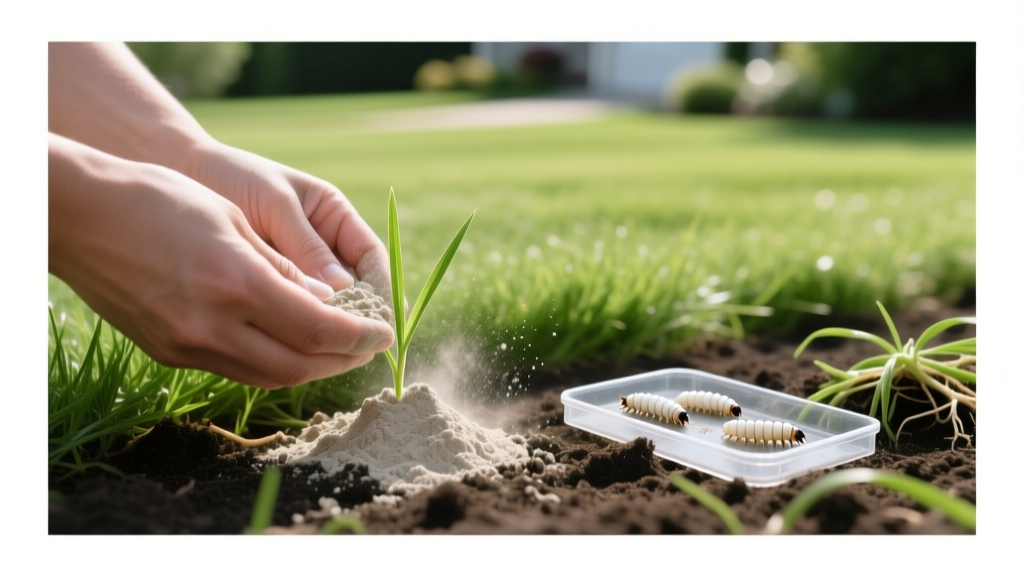
Budget-Friendly DIY White Grub Control for Home Lawns
Sarah ChenPublished
Understanding the Enemy: White Grubs in Your Lawn
White grubs are the larval stage of various scarab beetles, including Japanese beetles, June bugs, and European chafers. These C-shaped, cream-colored pests live just beneath the soil surface, feasting on the roots of your turfgrass. As they sever the roots, the grass loses its ability to take up water and nutrients, resulting in irregular brown patches, wilting, and a spongy texture underfoot. According to Penn State Extension, secondary damage from foraging skunks, raccoons, and crows tearing up the lawn to eat the grubs is often the first sign a homeowner notices.
While professional chemical treatments can cost hundreds of dollars per season, budget-friendly DIY solutions can be just as effective when timed correctly. By leveraging biological controls and smart cultural practices, you can protect your lawn without breaking the bank.
The DIY Soap Flush Test: Confirming an Infestation
Before spending money on any treatment, you must confirm that grubs are actually the culprit and determine if the population has reached the damage threshold. Treating a lawn with only a few grubs is a waste of time and resources.
How to Perform the Soap Flush
- Mix 2 to 3 tablespoons of liquid dish soap (such as Dawn or Palmolive) with 1 gallon of water.
- Mark off a 1-square-yard (9 square feet) area of your lawn, preferably at the edge of a brown patch where the grass is still slightly green.
- Pour the soapy water evenly over the marked area.
- Wait 10 to 15 minutes. The soap irritates the grubs' skin, forcing them to the surface.
- Count the number of grubs that emerge.
The Threshold: If you find fewer than 5 grubs per square foot (roughly 45 in your square-yard test area), your lawn can likely outgrow the damage. If you find 5 to 10 or more grubs per square foot, treatment is necessary. For a deeper understanding of scouting techniques, the University of California Agriculture and Natural Resources IPM program offers excellent visual guides on identifying specific grub species and their thresholds.
Top Budget-Friendly DIY Grub Treatments
If your soap flush test confirms a severe infestation, it is time to deploy affordable, environmentally conscious DIY treatments. Timing is everything; late summer to early fall (August through September) is the ideal window, as grubs are young, small, and feeding close to the soil surface.
1. Beneficial Nematodes (Heterorhabditis bacteriophora)
Beneficial nematodes are microscopic, unsegmented worms that naturally occur in soil. For grub control, you specifically want the Heterorhabditis bacteriophora (Hb) strain, which actively hunts grubs, enters their bodies, and releases bacteria that kill the pest within 48 hours.
- Cost: Approximately $40 to $60 for 50 million nematodes, which treats up to 5,000 square feet. This breaks down to roughly $8 to $12 per 1,000 square feet.
- Application: Mix the nematodes with water in a watering can or hose-end sprayer. Apply in the late afternoon or early evening to protect them from UV light.
- Crucial Step: You must water the lawn lightly before application and keep the soil consistently moist for 10 to 14 days afterward so the nematodes can swim through the soil pores to find their hosts.
2. Milky Spore Disease (Paenibacillus popilliae)
Milky Spore is a naturally occurring bacterium that specifically targets Japanese beetle grubs. When the grub ingests the spores, the bacteria multiply, eventually killing the grub and releasing billions of new spores into the soil.
- Cost: A 10-ounce box of milky spore powder costs around $30 to $40 and treats 2,500 square feet. While the upfront cost is slightly higher, it is a one-time application that remains active in the soil for 10 to 15 years, making it incredibly budget-friendly over time.
- Application: Apply using a drop spreader or a specialized milky spore dispenser tube in a grid pattern across the lawn.
- Limitation: It only works on Japanese beetle grubs, not European chafers or June bugs. It also takes 1 to 3 years to fully establish in the soil, so it is a long-term prevention strategy rather than a quick fix for an active crisis.
3. DIY Neem Oil Soil Drench
Neem oil, derived from the seeds of the neem tree, contains azadirachtin, a compound that disrupts the hormonal systems of insects, preventing them from molting and feeding.
- Cost: A 16-ounce bottle of cold-pressed neem oil concentrate costs about $15 to $20 and can treat thousands of square feet when diluted.
- Application: Mix 1 to 2 tablespoons of pure neem oil and 1 teaspoon of mild liquid soap (as an emulsifier) per gallon of water. Drench the soil in affected areas.
- Limitation: Neem oil is best used as a preventative or for very mild infestations. It will not eradicate a massive, established grub population on its own.
Cost and Efficacy Comparison Chart
To help you choose the right budget-friendly method for your specific lawn care needs, review the comparison table below. Data regarding life cycles and treatment timing aligns with guidelines published by Michigan State University Extension.
| Treatment Method | Target Pest | Est. Cost (per 1,000 sq ft) | Speed of Results | Longevity in Soil |
|---|---|---|---|---|
| Hb Nematodes | All white grub species | $8.00 - $12.00 | 3 to 7 days | 1 season (requires reapplication) |
| Milky Spore | Japanese beetle grubs only | $12.00 - $16.00 | 1 to 3 years | 10 to 15 years |
| Neem Oil Drench | All white grub species | $2.00 - $4.00 | 1 to 2 weeks | 2 to 3 weeks (requires reapplication) |
| Chemical Preventative (e.g., Imidacloprid) | All white grub species | $10.00 - $15.00 | 1 to 3 weeks | 1 season |
Free Cultural Practices for Grub Prevention
The most budget-friendly pest control method is one that costs absolutely nothing. By altering the environment of your lawn, you can make it highly inhospitable to adult beetles looking to lay eggs, and resilient enough to survive minor grub feeding.
Water Deeply and Infrequently
Grubs thrive in moist, shallow soil environments. If you water your lawn lightly every day, you encourage shallow grass roots and keep the top layer of soil perfectly moist for beetle eggs to hatch. Instead, water your lawn deeply (about 1 to 1.5 inches per week) but only 1 or 2 times a week. This forces grassroots to grow deep into the soil, making it much harder for grubs to sever the entire root system. Furthermore, allowing the top inch of soil to dry out between waterings can kill newly hatched grub eggs and first-instar larvae.
Mow High and Leave Clippings
Set your mower deck to 3.5 or 4 inches. Taller grass shades the soil, keeping it cooler and retaining moisture deep down, while also hiding the soil from flying beetles looking for a place to lay eggs. Leaving the clippings on the lawn returns valuable organic matter to the soil, promoting a robust root system that can easily outgrow minor grub damage.
Dethatch Annually
A thatch layer thicker than half an inch provides a perfect, insulated breeding ground for pests and prevents biological treatments like nematodes from reaching the soil. Raking out excess thatch in the spring or fall ensures that your DIY treatments make direct contact with the soil where the grubs live.
When to Reconsider Your DIY Strategy
'While biological controls and cultural practices are highly effective for preventative care and moderate infestations, a lawn that has been completely severed from its roots and rolled back like a carpet requires immediate, aggressive intervention. In cases of extreme, localized damage where the turf is actively dying and animal foraging is destroying the grading of your yard, a targeted, fast-acting chemical curative may be temporarily necessary to save the soil structure before returning to an organic, budget-friendly maintenance regimen.'
By combining the soap flush test with affordable biological controls like nematodes and milky spore, and supporting them with free cultural lawn care practices, you can maintain a lush, grub-free lawn on a strict budget. Consistent monitoring and proper timing are your best tools in the ongoing battle against turf-destroying pests.