Pest Control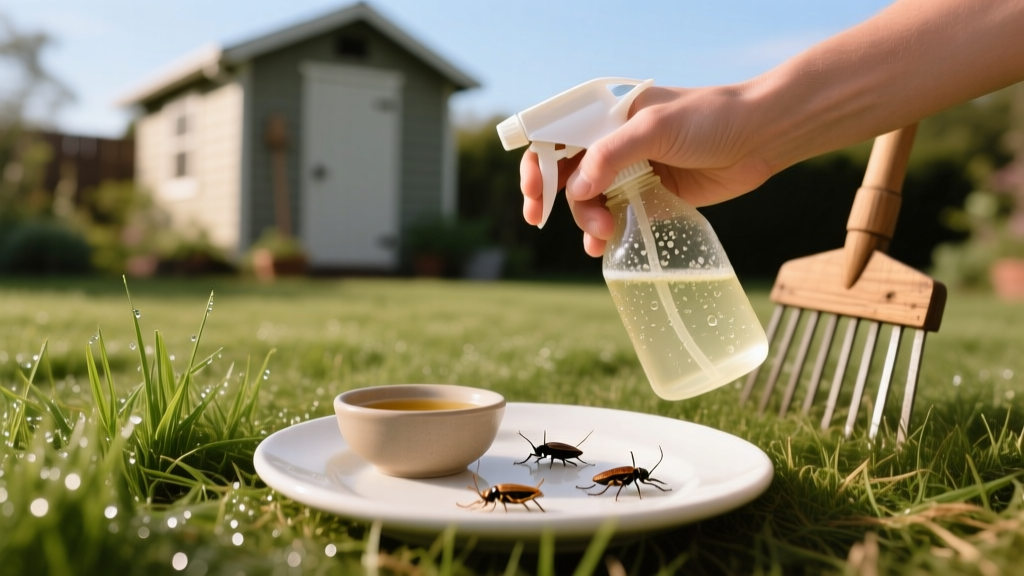
Budget-Friendly DIY Chinch Bug Control For Home Lawns
Emily WatsonPublished
Understanding the Chinch Bug Threat on a Budget
Chinch bugs are among the most destructive lawn pests in North America, particularly devastating to St. Augustinegrass, zoysiagrass, and various cool-season turfgrasses. These tiny insects cause damage by piercing the grass blades and sucking out the plant juices, simultaneously injecting a toxic saliva that clogs the plant's vascular system. The result is rapid yellowing, followed by brown, dead patches that are frequently misdiagnosed as drought stress or fungal disease. Professional pest control services often charge upwards of $150 to $300 per treatment, which can quickly drain your landscaping budget. Fortunately, with early detection and integrated pest management (IPM) strategies, you can effectively manage and eradicate chinch bugs using budget-friendly DIY solutions that cost a fraction of the price.
The $0 Diagnostic Test: The Soapy Water Flush
Before spending a single dime on treatments, you must confirm that chinch bugs are actually the culprits. Because their damage mimics drought stress, applying expensive treatments blindly is a waste of resources. The most effective, zero-cost diagnostic tool is the soapy water flush, a technique highly recommended by turfgrass experts. According to Michigan State University Extension, this method forces hidden insects to the surface where they can be easily counted.
How to Perform a Soapy Flush:
- Mix 2 tablespoons of liquid dish soap (lemon-scented works exceptionally well) into 2 gallons of water.
- Pour the mixture evenly over a 3-foot by 3-foot area at the margin of the damaged and healthy grass.
- Wait 5 to 10 minutes. If chinch bugs are present, they will float to the surface, struggling in the soapy film.
- Count the bugs. Finding 20 to 25 chinch bugs per square foot indicates a severe infestation requiring immediate treatment.
Targeting the Right Life Stage
To maximize the efficacy of cheap, organic treatments, timing is everything. Chinch bugs go through three primary life stages: egg, nymph, and adult. Adult chinch bugs are black with distinctive white, triangular wings and are highly resistant to mild DIY sprays. Nymphs, however, are tiny, wingless, and bright red with a distinct white band across their backs. Nymphs are the most voracious feeders and the most vulnerable to budget-friendly contact sprays. Monitor your lawn in late spring and early summer to target the first generation of nymphs before they mature into pesticide-resistant adults.
Top 3 Budget-Friendly DIY Treatments
1. DIY Insecticidal Soap Spray (Cost: Under $5)
Insecticidal soaps work by breaking down the protective waxy cuticle on the exoskeleton of soft-bodied insects like chinch bug nymphs, causing them to dehydrate and die rapidly. You do not need to buy expensive commercial brands; a simple DIY mixture works wonders.
- Recipe: Mix 4 tablespoons of mild liquid dish soap into 1 gallon of water.
- Application: Spray directly onto the affected areas, ensuring thorough coverage of the grass blades and the thatch layer where nymphs hide.
- Timing: Apply in the early morning or late evening. Spraying soap solutions during the heat of the day can cause phototoxicity, burning your grass blades.
- Frequency: Reapply every 4 to 5 days for two weeks to catch newly hatched nymphs.
2. Cold-Pressed Neem Oil Emulsion (Cost: $10-$15 per bottle)
Neem oil is a powerful, natural biopesticide derived from the seeds of the neem tree. The Environmental Protection Agency (EPA) recognizes neem oil as a safe, effective biopesticide that disrupts the hormonal life cycle of insects, preventing them from feeding, molting, and reproducing. A single $15 bottle of cold-pressed neem oil can yield over 20 gallons of spray, making it incredibly cost-effective.
- Recipe: Combine 1 ounce of cold-pressed neem oil, 1 teaspoon of mild liquid soap (as an emulsifier), and 1 gallon of warm water. Shake vigorously.
- Application: Drench the infested zones, focusing heavily on the base of the grass and the top layer of soil.
- Frequency: Apply once a week for three weeks. Neem oil degrades quickly in sunlight, so consistency is key.
3. Food-Grade Diatomaceous Earth (DE) Barrier (Cost: $15 for a 4lb bag)
Diatomaceous earth is a naturally occurring, soft sedimentary rock crumbled into a fine white powder. On a microscopic level, DE consists of sharp, fossilized algae shells that slice through the exoskeletons of crawling insects. While it will not kill flying adults, it creates a lethal barrier for nymphs and crawling adults moving across the soil surface.
- Application: Lightly dust food-grade DE over the damaged areas and the perimeter of your lawn using a handheld duster.
- Caveat: DE loses its effectiveness when wet. You must reapply after heavy dew, rain, or irrigation. Wear a dust mask during application to avoid inhaling the fine silica particles.
Free and Low-Cost Cultural Prevention Strategies
Treating pests is only half the battle; altering your lawn's environment to make it inhospitable to chinch bugs is a free, long-term solution. The University of Florida IFAS Extension emphasizes that cultural controls are the foundation of chinch bug management, particularly in susceptible grasses like St. Augustinegrass.
Aggressive Thatch Management
Chinch bugs thrive in thick thatch layers (the spongy layer of dead and living organic matter between the soil and the grass blades). Thatch provides a perfect, moisture-rich hiding spot that protects them from predators and surface sprays. Renting a power dethatcher for $50 to $80 for a weekend, or vigorously using a manual thatching rake (under $30), can physically remove their habitat and expose them to the elements and natural predators like big-eyed bugs and ground beetles.
Strategic Watering and Mowing
Chinch bugs prefer hot, dry, and sunny environments. Lawns that are drought-stressed are significantly more vulnerable to their toxic saliva. Implement deep, infrequent watering schedules—providing 1 to 1.5 inches of water per week—to encourage deep root growth and maintain turf turgor pressure. Additionally, never scalp your lawn. Maintain a mowing height of 3 to 4 inches. Taller grass shades the soil, retaining moisture and creating a cooler microclimate that naturally deters chinch bug proliferation.
Cost and Efficacy Comparison Chart
When deciding how to tackle your lawn pests, it is helpful to weigh the upfront costs against the long-term efficacy and environmental impact. Below is a comparison of common chinch bug control methods.
| Control Method | Estimated Cost | Target Life Stage | Application Frequency | Environmental Impact |
|---|---|---|---|---|
| DIY Soap Flush & Spray | $2 - $5 | Nymphs | Every 4-5 days | Very Low |
| Neem Oil Emulsion | $10 - $15 (yields 20+ gallons) | Nymphs & Adults | Weekly for 3 weeks | Low (Safe for bees when dry) |
| Diatomaceous Earth | $15 - $20 | Crawling Nymphs/Adults | After every rain/dew | Low (Non-toxic) |
| Professional Bifenthrin | $150 - $300 per visit | All Stages | Every 30-45 days | High (Toxic to aquatic life) |
| Beneficial Nematodes | $30 - $50 | Soil-dwelling Nymphs | Once or twice a season | Very Low (Beneficial) |
When to Abandon DIY and Call Professionals
While budget-friendly DIY methods are incredibly effective for early-stage infestations and localized lawn damage, there is a threshold where natural remedies may not act fast enough to save your turf. If your lawn is experiencing rapid, widespread die-off and the soapy flush reveals upwards of 50 bugs per square foot across multiple zones, the population has likely outpaced organic control methods.
"While DIY methods are highly effective for early-stage infestations and localized damage, a lawn that is over 30% compromised by chinch bugs may require professional-grade systemic insecticides to save the root systems and prevent total turf loss."
Final Thoughts on Budget Pest Management
Managing chinch bugs does not require a massive landscaping budget or harsh synthetic chemicals. By utilizing the soapy water flush for accurate identification, targeting vulnerable nymphs with DIY insecticidal soaps and neem oil, and maintaining a thick thatch-free lawn through proper cultural practices, you can protect your turf for pennies on the dollar. Consistent monitoring and early intervention are the true secrets to budget-friendly, sustainable pest control.