Pest Control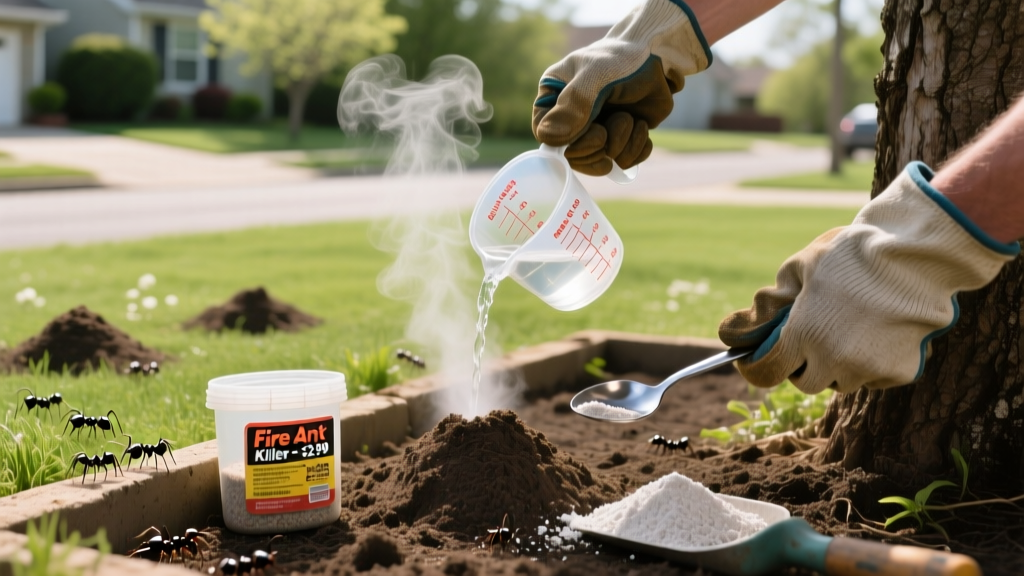
Budget-Friendly DIY Fire Ant Control Methods for Lawns
James MillerPublished
The High Cost of Fire Ants and the Promise of DIY
Red imported fire ants (Solenopsis invicta) are notorious for ruining outdoor spaces, delivering painful stings, and damaging lawn equipment. For homeowners in the southern United States, managing these aggressive pests often feels like an endless financial drain. Professional pest control services can charge anywhere from $150 to $300 per treatment, and recurring quarterly contracts can easily exceed $800 annually. However, effective fire ant management does not require a massive budget. By utilizing Integrated Pest Management (IPM) strategies and household ingredients, you can reclaim your yard for a fraction of the cost.
This guide explores highly effective, budget-friendly DIY fire ant control methods, focusing on science-backed techniques that target the heart of the colony without relying on expensive, broad-spectrum chemical applications.
Understanding the Colony: Why Quick Fixes Fail
Before spending money on any treatment, it is crucial to understand fire ant biology. A single mature fire ant mound can house up to 500,000 worker ants and multiple queens. A queen can lay up to 1,500 eggs per day. When you pour a harsh chemical or a DIY remedy directly onto the top of a mound, the colony's alarm system is triggered. The worker ants immediately grab the queens and brood, carrying them deep into the extensive underground tunnel network or relocating them to a satellite mound just a few feet away.
This is why surface-level DIY treatments often fail. To achieve long-term, budget-friendly control, you must use methods that either bypass the alarm system or target the foraging workers who will carry the lethal agent back to the queens.
The Gold Standard: The 'Texas Two-Step' Method on a Budget
Developed by researchers at the Texas A&M AgriLife Extension, the 'Texas Two-Step' is the most highly recommended IPM strategy for fire ants. It combines the low-cost, high-efficacy of broadcast baiting with targeted, localized mound treatments. Here is how to execute it on a strict budget.
Step 1: Broadcast Baiting (The Long Game)
Fire ant baits are composed of a slow-acting insecticide or insect growth regulator (IGR) mixed with a soybean oil and corn grit carrier. Worker ants forage for the bait, carry it back to the mound, and feed it to the queens and larvae. Because it is slow-acting, the colony does not recognize it as a threat, preventing relocation.
- Active Ingredients to Look For: Spinosad (organic-approved and highly effective) or Hydramethylnon.
- Application Rate: Most baits require only 1 to 1.5 pounds per acre. For a standard 5,000-square-foot suburban lawn, you only need about 2 to 3 ounces of bait.
- Cost Efficiency: A 1.5-pound bag of high-quality Spinosad bait costs around $25 to $35. Because you only use a few ounces per application twice a year, a single bag can treat a standard lawn for 3 to 4 years, bringing your annual bait cost to under $10.
- Timing: Apply bait in the late afternoon when ants are actively foraging and the ground is dry. Do not apply if rain is expected within 24 hours, as moisture ruins the bait.
Step 2: Targeted Mound Treatment (The Quick Fix)
While baiting takes 2 to 6 weeks to eliminate a colony, you may need immediate relief from nuisance mounds near your patio, mailbox, or garden beds. This is where budget-friendly DIY mound drenches come into play.
Budget-Friendly DIY Mound Drench Recipes
If you need to eliminate a specific mound immediately, skip the expensive commercial aerosol sprays and use these scientifically validated DIY drenches. The goal of a drench is to flood the colony's tunnels, drowning the ants or destroying their exoskeletons before they can relocate the queen.
1. The Boiling Water Method
According to the University of Florida IFAS, pouring boiling water directly into a fire ant mound is surprisingly effective and costs almost nothing.
- The Recipe: Heat 3 gallons of water to a rolling boil.
- Application: Carefully carry the pot to the mound. Pour the water directly onto the center of the mound, then slowly pour the remainder in a circle around the perimeter to catch fleeing ants.
- Efficacy: Eliminates approximately 60% to 70% of treated mounds.
- Drawback: Boiling water will kill the grass and any plant roots it touches, leaving a temporary bare spot in your lawn.
2. The Soapy Water Drench
Soap acts as a surfactant, breaking down the waxy coating on the ants' exoskeletons and causing them to dehydrate and drown much faster than in plain water.
- The Recipe: Mix 1/4 cup of liquid dish soap (Dawn or Palmolive work exceptionally well) into 2 gallons of warm water.
- Application: Slowly pour the mixture directly into the center of the mound, disturbing the topsoil slightly with a stick to allow the liquid to penetrate deep into the tunnels.
- Efficacy: Eliminates 60% to 80% of mounds.
- Drawback: High concentrations of soap can temporarily alter soil pH and harm nearby grass, though it is generally less damaging than boiling water.
3. Diatomaceous Earth (DE) Dusting
Food-grade Diatomaceous Earth is made from fossilized algae and acts as a microscopic razor blade, slicing through the ants' exoskeletons and causing fatal dehydration.
- The Recipe: Purchase a bag of food-grade DE (usually $15 for a large bag that lasts years).
- Application: Use a hand duster to puff the DE directly into the mound and around the base. For best results, combine this with a soapy water drench; the water forces the ants to the surface, where they become coated in the DE.
- Efficacy: 40% to 50% when used alone, but highly effective as a secondary barrier.
DIY Treatment Comparison Chart
When deciding which budget method to deploy, consider the cost, efficacy, and impact on your lawn. The following table breaks down the most common DIY and low-cost treatments.
| Treatment Method | Estimated Cost per Mound | Efficacy Rate | Environmental Impact | Time to Results |
|---|---|---|---|---|
| Boiling Water (3 Gallons) | $0.05 | 60% - 70% | Low (kills local grass) | Immediate |
| Soapy Water Drench | $0.10 | 60% - 80% | Low (mild soil impact) | Immediate |
| Diatomaceous Earth | $0.25 | 40% - 50% | Low (harmful to bees if wet) | 24-48 Hours |
| Spinosad Broadcast Bait | $0.50 (per 100 sq ft) | 85% - 95% | Very Low (IPM approved) | 2-4 Weeks |
| Commercial Mound Drench | $2.00 - $5.00 | 90% - 99% | Moderate (synthetic chemicals) | 1-3 Days |
Dangerous DIY Myths You Must Avoid
In the pursuit of cheap pest control, many homeowners resort to dangerous, illegal, and environmentally devastating household chemicals. The Environmental Protection Agency (EPA) strictly warns against using unregistered chemicals for pest control. Never use the following methods:
- Gasoline or Motor Oil: Pouring flammable liquids into a mound is incredibly dangerous. It creates a severe fire hazard, poisons the local groundwater, and permanently ruins the soil, ensuring nothing will grow in that spot for years.
- Bleach and Ammonia: Not only do these fail to penetrate deep enough to kill the queen, but mixing them can create lethal chloramine gas. Furthermore, they destroy the beneficial soil microbiome.
- Club Soda: A popular internet myth suggests that pouring club soda over a mound will suffocate the ants with carbon dioxide. University studies have repeatedly proven this method to be entirely ineffective, resulting in a 0% mortality rate for the colony.
Timing Your Treatments for Maximum Budget Efficiency
To get the most out of your DIY budget, timing is everything. Fire ants are most active when soil temperatures are between 70°F and 85°F. In most southern climates, this means the optimal times for treatment are mid-to-late spring and early fall.
During the peak heat of summer, colonies dig deep into the soil to escape the heat, making drenches and surface baits less effective. During winter, they become dormant. By applying your broadcast bait in the fall, you allow the worker ants to store the insecticide in the colony's fat reserves, effectively killing the queens as they emerge from winter dormancy in the spring. This proactive, low-cost step prevents the explosion of new mounds that typically occurs in April and May.
Cultural Controls: Making Your Lawn Less Inviting
Finally, the cheapest pest control method is prevention. Fire ants prefer open, sunny areas with disturbed soil. By maintaining a thick, healthy, and slightly shaded lawn, you naturally deter new queens from establishing colonies. Mow your grass at the highest recommended setting for your turf type to encourage deep roots and shade the soil surface. Reduce excessive thatch buildup, which provides ideal nesting habitats, and ensure your irrigation system is not creating perpetually moist, boggy areas that attract foraging ants.
By combining the ultra-low-cost Texas Two-Step baiting strategy with targeted, household-ingredient mound drenches, you can maintain a fire-ant-free lawn for less than $30 a year, keeping your family safe and your budget intact.