Pest Control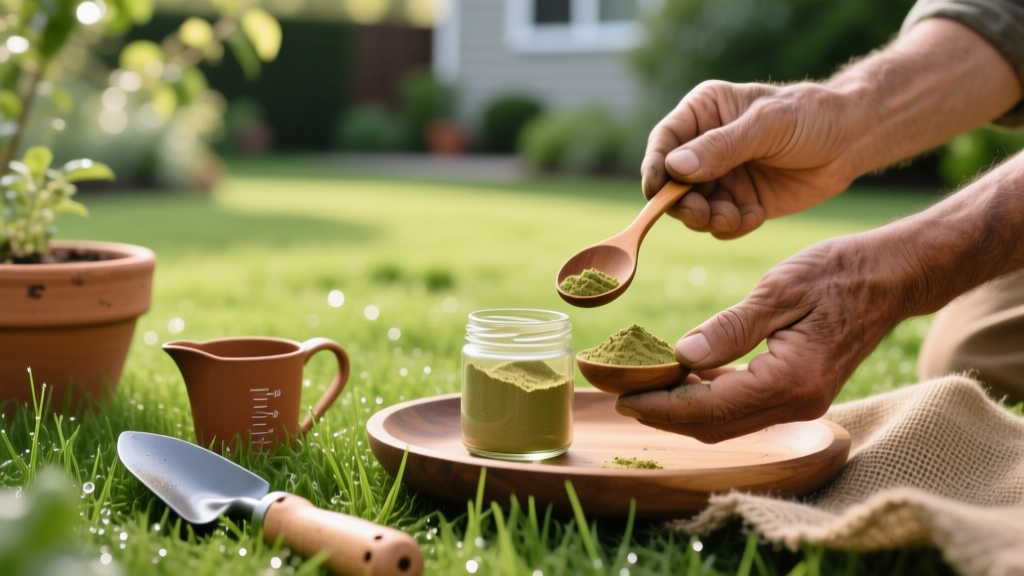
Budget-Friendly DIY Lawn Grub Control and Prevention Guide
Mike RodriguezPublished
The High Cost of Professional Grub Control vs. DIY
When you notice irregular brown patches of dead grass appearing on your lawn in late summer or early fall, you might be dealing with a white grub infestation. Grubs are the C-shaped, creamy-white larvae of scarab beetles, including Japanese beetles, June bugs, and European chafers. They live just beneath the soil surface, voraciously chewing through grassroots and severing the turf from its nutrient and water supply.
Hiring a professional lawn care service to apply preventive or curative grub control treatments can easily cost between $150 and $300 per application, depending on your yard size. Over a few years, these costs compound significantly. Fortunately, integrated pest management (IPM) principles offer highly effective, budget-friendly DIY solutions that can save you hundreds of dollars while keeping your lawn healthy and chemical-light. By understanding the grub life cycle and utilizing biological controls, you can eradicate these pests and prevent future damage without breaking the bank.
Step 1: Confirming the Infestation on a Budget
Before spending a single dime on treatments, you must confirm that grubs are actually the culprit. Brown patches can also be caused by drought stress, dog urine, or fungal diseases like brown patch. According to the University of Minnesota Extension, accurate identification is the cornerstone of any successful IPM strategy. Here are two free DIY detection methods:
The Tug Test
Walk out to the edge of a brown patch where the dying grass meets the green grass. Grab a handful of the green grass and pull upward gently. If the turf rolls back easily like a freshly laid carpet, it is a strong indicator that grubs have severed the root system. You will likely see the white, C-shaped larvae wriggling in the top inch of the exposed soil.
The Soapy Water Drench
If the tug test is inconclusive, use the soapy water flush. Mix two tablespoons of standard liquid dish soap into two gallons of water. Mark off a three-foot by three-foot section of the lawn (preferably at the border of a damaged area) and pour the soapy mixture evenly over the soil. Wait for about ten minutes. The soap irritates the grubs, forcing them to the surface. If you count more than five to ten grubs in this single square yard, treatment is economically and agronomically justified.
Step 2: Budget-Friendly DIY Grub Treatments
Once you have confirmed an active infestation that exceeds the damage threshold, it is time to deploy budget-friendly biological and organic treatments. Chemical pesticides like imidacloprid or trichlorfon are effective but can be expensive, harmful to beneficial soil organisms, and restricted in some municipalities. Here are the best low-cost, eco-friendly alternatives.
Beneficial Nematodes (Heterorhabditis bacteriophora)
Beneficial nematodes are microscopic, unsegmented worms that naturally occur in soil. For grub control, you specifically need the Heterorhabditis bacteriophora (Hb) species, which actively hunts down and infects grub larvae with a lethal bacteria.
Cost: Approximately $30 to $45 for a package treating 5,000 square feet.
Application: Nematodes are living organisms, so handling them correctly is crucial. Apply them in the late afternoon or on a cloudy day, as UV light kills them rapidly. The soil must be moist before application, so water your lawn thoroughly beforehand. Mix the nematode powder or sponge with water according to the package directions and apply using a hose-end sprayer or watering can. Water the lawn immediately after application to wash the nematodes off the grass blades and down into the soil where the grubs live.
Timing: Late summer to early fall (August through September) when grubs are young, small, and near the soil surface.
Milky Spore Disease (Paenibacillus popilliae)
Milky Spore is a naturally occurring bacterium that specifically targets and kills Japanese beetle grubs. When a grub ingests the spores, the bacteria multiply inside its body, eventually killing it and releasing billions of new spores back into the soil.
Cost: Roughly $35 to $50 for a 20-ounce box treating up to 7,000 square feet.
Application: Apply the milky spore powder in a grid pattern across your lawn, dropping about a teaspoon of powder every four feet. Water it in gently.
Timing and Longevity: Milky Spore is a long-term investment. According to University of Kentucky Entomology, it can take two to three years for the spores to build up to effective levels in the soil. However, once established, a single application can provide biological control for 10 to 15 years, making it incredibly cost-effective over time. Note that it is highly specific to Japanese beetles and will not control European chafer or June bug grubs.
Neem Oil Soil Drench
Neem oil, extracted from the seeds of the neem tree, contains azadirachtin, a compound that acts as an antifeedant and growth regulator. While it will not wipe out a severe infestation as rapidly as nematodes, it is an excellent, cheap deterrent for mild grub activity.
Cost: Around $15 to $20 for a concentrated bottle that makes dozens of gallons of spray.
Application: Mix the concentrated neem oil with water and a few drops of dish soap (as an emulsifier) and drench the soil in affected areas. It disrupts the grubs hormonal systems, preventing them from molting and feeding.
DIY Grub Treatment Comparison Chart
To help you choose the most cost-effective method for your specific situation, refer to the comparison table below:
| Treatment Method | Target Pests | Est. Cost (per 5,000 sq ft) | Best Application Time | Speed of Results |
|---|---|---|---|---|
| Beneficial Nematodes (Hb) | Most white grubs | $30 - $45 | Late Summer / Early Fall | 1 to 2 weeks |
| Milky Spore | Japanese Beetle Grubs only | $25 - $35 | Spring or Fall | 2 to 3 years to establish |
| Neem Oil Drench | Most white grubs | $5 - $10 | Early Summer (Preventative) | Gradual (Disrupts molting) |
Step 3: Free and Low-Cost Preventative Cultural Practices
The most budget-friendly pest control strategy is creating an environment where pests cannot thrive. Michigan State University Extension emphasizes that vigorous, deeply rooted turfgrass can withstand grub feeding far better than weak, shallow-rooted lawns. Implement these free or low-cost cultural practices to make your lawn naturally resistant to grubs.
Mow High and Let it Grow
Set your mower deck to a height of 3 to 4 inches. Taller grass blades support larger, deeper root systems. When grubs chew on the roots of tall grass, the plant has enough stored energy and root mass to survive and recover. Furthermore, taller grass shades the soil surface, making it less attractive to adult beetles looking for warm, bare soil to lay their eggs.
Water Deeply and Infrequently
Grubs and the beetles that lay them require consistent, shallow moisture near the surface to survive. By watering your lawn deeply (about one inch of water per week) but infrequently, you force grassroots to grow deep into the soil to chase the moisture. The top inch of soil will dry out between waterings, creating a hostile environment for newly hatched grub larvae and causing many to desiccate before they can cause damage.
Core Aeration and Dethatching
A thick layer of thatch (more than half an inch) acts as a barrier, preventing biological treatments like nematodes from reaching the soil. It also provides a perfect, moist habitat for pests. Renting a core aerator for a half-day (usually around $60 to $80, which can be split with a neighbor) relieves soil compaction, improves water penetration, and exposes grubs to natural predators like birds.
Encourage Natural Predators
Nature provides free pest control if you know how to invite it. Birds such as robins, starlings, and crows are voracious consumers of white grubs. You can encourage foraging by keeping a birdbath in your yard during dry spells. Additionally, ground beetles and parasitic wasps are natural enemies of scarab beetles. Avoid using broad-spectrum synthetic pesticides, as these indiscriminately kill the beneficial insects that keep grub populations in check naturally.
Conclusion
Managing lawn grubs does not require an expensive contract with a chemical lawn care company. By utilizing the soapy water drench to accurately diagnose the problem, applying budget-friendly biological controls like beneficial nematodes, and adopting deep-root cultural practices, you can maintain a pristine, healthy lawn. Integrated Pest Management is not just better for the environment and your local ecosystem; it is significantly kinder to your wallet. Armed with these DIY strategies, you can confidently tackle grub season and keep your turf thriving year after year.