Home & Garden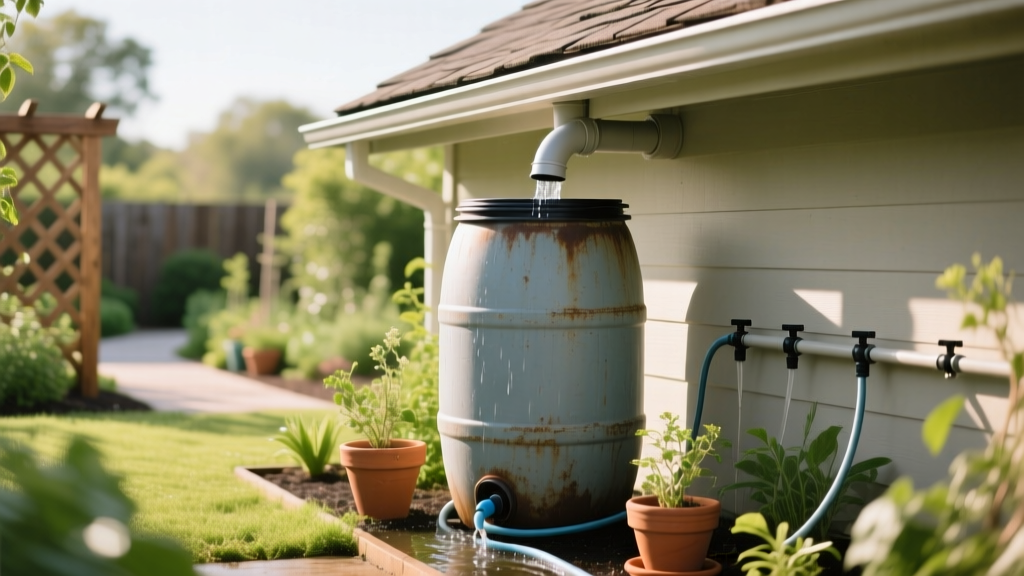
DIY Rainwater Harvesting for Sustainable Garden Irrigation
Robert HayesPublished
Water is one of our most precious resources, yet the average American family uses nearly 30% of its daily water consumption outdoors, primarily for landscape irrigation. As climate patterns shift and drought conditions become more frequent in various regions, adopting eco-friendly and sustainable methods for garden care is no longer just a trend—it is a necessity. One of the most effective, rewarding, and cost-efficient ways to bridge sustainable landscaping with practical home maintenance is by installing a DIY rainwater harvesting system.
Why Harvest Rainwater for Your Garden?
Harvesting rainwater goes beyond simply lowering your municipal water bill. It is a cornerstone of eco-friendly landscaping that mitigates stormwater runoff, reduces soil erosion, and prevents pollutants from washing into local waterways. According to EPA WaterSense, outdoor water use can spike to 60% of a household's daily water footprint during the hot summer months. By capturing rain where it falls, you decrease the demand on municipal water treatment facilities and lower the energy footprint associated with pumping and treating water.
Furthermore, rainwater is naturally soft, free of chlorine, fluoride, and the salts often found in municipal or well water. Your plants, particularly sensitive garden-to-table vegetables and native perennials, thrive on the slightly acidic pH and natural nitrogen content of untreated rainwater.
Sizing Your Rainwater Catchment Area
Before purchasing materials, you must calculate your roof's catchment potential to determine the appropriate barrel size. The general rule of thumb, widely cited by agricultural experts at the Texas A&M AgriLife Extension, is that one inch of rain falling on 1,000 square feet of impervious surface yields approximately 600 gallons of water.
To find your catchment area, multiply the length by the width of your home's footprint (not the angled roof surface, just the flat footprint).
| Roof Footprint (Sq Ft) | 1/2 Inch Rain Yield | 1 Inch Rain Yield | 2 Inch Rain Yield |
|---|---|---|---|
| 500 | 150 Gallons | 300 Gallons | 600 Gallons |
| 1,000 | 300 Gallons | 600 Gallons | 1,200 Gallons |
| 1,500 | 450 Gallons | 900 Gallons | 1,800 Gallons |
| 2,000 | 600 Gallons | 1,200 Gallons | 2,400 Gallons |
For most DIY urban and suburban gardeners, a single 55-gallon barrel or a linked system of two to three barrels is sufficient to capture a meaningful fraction of a standard rainstorm without overwhelming your property's drainage.
Essential Components and Estimated Costs
Building a sustainable, gravity-fed irrigation system requires a few specific, food-safe components. Avoid using barrels that previously held toxic chemicals, pesticides, or industrial solvents.
- 55-Gallon HDPE Food-Grade Barrel ($80 - $120): Look for high-density polyethylene (HDPE) barrels with a #2 recycling symbol. Used food-grade barrels (often sourced from local breweries or beverage distributors) are the most eco-friendly and budget-conscious option.
- Downspout Diverter Kit ($20 - $35): A kit like the Oatey Mystic Rainwater Collection System diverts water from your downspout into the barrel and automatically routes excess water back down the downspout once the barrel is full, preventing foundation flooding.
- Brass Spigot and Bulkhead Fitting ($15 - $25): A 3/4-inch brass spigot with a rubber O-ring and locking nut ensures a watertight seal and provides durability against UV degradation compared to cheap plastic alternatives.
- Concrete Cinder Blocks ($10 - $15): You will need at least four blocks to elevate the barrel. Gravity provides the water pressure; elevating the barrel 16 to 24 inches off the ground allows you to fit a watering can beneath the spigot and increases PSI for drip irrigation lines.
- Fiberglass Window Screen ($5): To cap the top inlet and prevent debris and mosquitoes from entering.
Step-by-Step Installation Guide
1. Prepare a Level Foundation
Water weighs roughly 8.3 pounds per gallon. A full 55-gallon barrel will weigh over 450 pounds. You must prepare a flat, stable, and level base. Dig out a 2-foot by 2-foot area, lay down a 2-inch layer of crushed gravel for drainage, and place your cinder blocks. Use a carpenter's level to ensure the blocks are perfectly even; an unlevel barrel can tip or crack under the immense hydrostatic pressure.
2. Install the Spigot
Drill a hole near the bottom of the barrel using a hole saw bit that matches your bulkhead fitting (usually 3/4-inch or 1-inch). Insert the fitting from the inside (you may need to cut a small access hole near the top of the barrel to reach your hand inside, which you can later seal with waterproof silicone). Tighten the exterior locking nut and thread in your brass spigot using Teflon tape to prevent leaks.
3. Cut and Connect the Downspout Diverter
Measure the height of your barrel's inlet. Mark the corresponding height on your aluminum or vinyl downspout. Using a hacksaw, cut a section out of the downspout matching the diverter's instructions. Insert the diverter, ensuring it slopes slightly downward toward the barrel (a 1/4-inch drop per foot is ideal). Connect the flexible corrugated hose from the diverter to the barrel's inlet.
Maintaining an Eco-Friendly System
A rain barrel is a low-maintenance tool, but it requires seasonal attention to remain sustainable and safe. In the autumn, clean out your gutters to prevent leaf litter from clogging the diverter and creating anaerobic, foul-smelling sludge in your barrel.
The most common concern with standing water is mosquito breeding. To combat this without using harsh chemical pesticides that could harm your garden-to-table crops, use products containing Bacillus thuringiensis israelensis (Bti). As noted by the Environmental Protection Agency (EPA), Bti is a naturally occurring soil bacterium that specifically targets mosquito and black fly larvae while remaining completely safe for humans, pets, birds, and beneficial pollinators. Dropping a quarter of a Summit Mosquito Dunk into your barrel every 30 days provides effective, eco-friendly biological control.
Winterizing Your System
If you live in a climate with freezing winter temperatures, you must winterize your system to prevent the water from freezing, expanding, and cracking the HDPE plastic. In late autumn, drain the barrel completely, detach the diverter hose, and plug the downspout hole with the included winterizing cap. Store the barrel upside down or in a garage to protect it from UV damage and snow load.
Integrating Smart Home Technology
To truly bridge sustainable methods with modern convenience, consider integrating smart home technology into your rainwater irrigation setup. While gravity-fed barrels do not use electric pumps, you can pair them with smart soil moisture sensors (like the Ecowitt WH51 or Xiaomi Mi Flora) placed in your garden beds.
These sensors connect to your home Wi-Fi and monitor the exact volumetric water content of your soil. By linking this data to a smart home hub like Home Assistant or Apple HomeKit, you can create automated alerts that notify you when your garden actually requires watering. This prevents the common mistake of overwatering with harvested rainwater, ensuring that every drop you collect is utilized with maximum efficiency. Additionally, smart weather APIs can trigger automated reminders to check your barrel's overflow valve before a forecasted heavy rainstorm, protecting your home's foundation while maximizing your water capture strategy.
Conclusion
Transitioning to a DIY rainwater harvesting system is a profound step toward sustainable home and garden care. It reduces your reliance on municipal water, lowers your utility bills, and provides your landscape with the purest form of hydration. By carefully sizing your catchment area, investing in food-grade materials, and maintaining your system with eco-friendly biological controls, you create a resilient, closed-loop irrigation system that benefits both your backyard and the broader local ecosystem.
