Home & Garden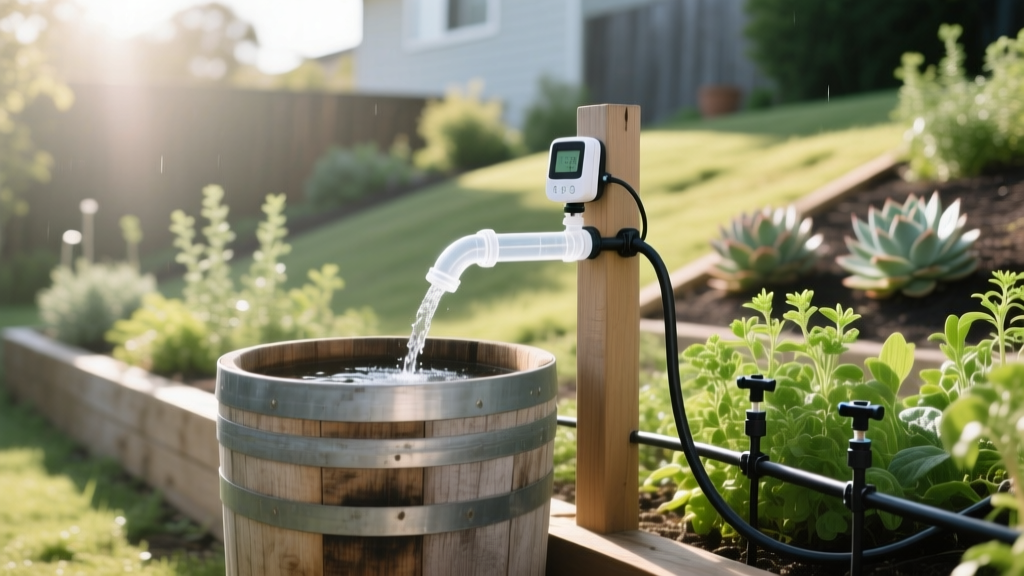
Build a DIY Rainwater Harvesting Smart Irrigation System
Emily WatsonPublished
The Environmental Impact of Rainwater Harvesting
As climate patterns shift and municipal water restrictions become more frequent, homeowners are increasingly turning to sustainable landscaping methods. Bridging the gap between eco-friendly outdoor living and smart home technology, a DIY rainwater harvesting system paired with smart irrigation is one of the most impactful upgrades you can make to your property. According to the EPA Green Infrastructure guidelines, capturing rainwater reduces stormwater runoff, decreases erosion, and minimizes the pollution carried into local waterways. Furthermore, it significantly lowers your reliance on treated municipal water, reducing both your carbon footprint and your monthly utility bills.
Sizing Your Eco-Friendly Rainwater System
Before purchasing materials, you must calculate your potential water yield to ensure your system meets your garden's needs without wasting resources. The standard formula for calculating rainwater harvest is:
Roof Area (sq ft) x Rainfall (inches) x 0.623 = Gallons of Water
For example, a 1,000 square foot roof section receiving 1 inch of rain will yield approximately 623 gallons of water. If you are installing a standard 50-gallon food-grade barrel, a mere 1/12th of an inch of rain will fill it completely. For sustainable garden-to-table raised beds and native perennial borders, a multi-barrel daisy-chain system (using three to four 50-gallon barrels) provides a 200-gallon reserve, which is typically sufficient for a 500-square-foot garden during dry summer spells.
Essential Components and Sustainable Material Choices
To maintain an eco-friendly footprint, avoid single-use plastics and PVC where possible. Opt for durable, recyclable, or upcycled materials.
- Storage Barrels: Source food-grade High-Density Polyethylene (HDPE) barrels. These are often upcycled from the food shipping industry (e.g., olive or syrup transport) and cost between $30 and $80 each. Avoid non-food-grade plastics that can leach toxins into your soil.
- First-Flush Diverter: Priced around $40-$60, this crucial component diverts the initial flow of rain, which carries roof debris, bird droppings, and pollutants, away from your storage barrel. This ensures the water entering your smart irrigation lines is clean and prevents emitter clogs.
- Filtration: Use a reusable stainless-steel mesh screen (approx. $15) at the barrel inlet to keep out mosquitoes and organic debris.
- Pump System: Gravity feeding is rarely sufficient for modern drip irrigation, which requires 15-25 PSI. Invest in a low-energy, on-demand submersible utility pump (e.g., 1/6 HP, drawing about 2.5 amps) or a solar-powered rain barrel pump kit ($120-$180) to push water through your drip lines without relying heavily on grid electricity.
Integrating Smart Irrigation for Maximum Efficiency
The true sustainability of this project lies in preventing overwatering. Traditional timers will water your garden even if a storm is approaching. By integrating an EPA WaterSense-certified smart controller, your system will automatically skip watering cycles based on hyperlocal weather data and soil moisture levels. The EPA WaterSense program notes that smart controllers can save the average home nearly 7,600 gallons of water annually. When paired with a rainwater reservoir, you create a closed-loop, zero-waste irrigation ecosystem.
Smart Controller Comparison for Rainwater Systems
| Controller Model | Weather-Based Adjustments | Rain Sensor / Flow Meter Compatibility | Estimated Cost |
|---|---|---|---|
| Rachio 3 (8-Zone) | Yes (Hyperlocal Weather Intelligence) | Yes (Wired/Wireless Rain & Flow) | $229 |
| Orbit B-hyve XD | Yes (Weather Sense Technology) | Yes (Wired Rain Sensor) | $149 |
| Rain Bird ST8I-2.0 | Yes (Daily Adjustments) | Yes (Wired Rain Sensor) | $159 |
Step-by-Step Installation Guide
Follow these actionable steps to install your system safely and effectively.
Step 1: Site Preparation and Base Leveling
Water weighs roughly 8.3 pounds per gallon. A full 50-gallon barrel weighs over 400 pounds. You must build a level, reinforced base. Use four solid concrete cinder blocks arranged in a square on a bed of compacted gravel. This elevation also provides the necessary gravity head to prime your pump and makes it easier to fit plumbing fixtures at the barrel base.
Step 2: Downspout Diversion
Cut your aluminum downspout using a hacksaw at a height level with the top of your barrel. Install a winterizing diverter kit (approx. $25). During the summer, the diverter routes water into the barrel via a flexible corrugated hose. When the barrel is full, the water naturally backs up and continues down the standard downspout, preventing foundation flooding.
Step 3: Plumbing the Pump and Drip Lines
Attach a brass bulkhead fitting and a 3/4-inch garden hose bib to the bottom of the barrel using waterproof silicone sealant and Teflon tape. Connect your submersible pump inside the barrel, routing the power cord safely under the lid. Connect the pump output to a 25-foot 1/2-inch polyethylene mainline. Use a pressure regulator (set to 15 PSI) before transitioning to 1/4-inch drip tubing to ensure your emitters do not blow out from pump surges.
Step 4: Smart Controller Wiring
Mount your smart controller in a weatherproof exterior enclosure. Wire the pump's power relay to the controller's master valve or pump start relay terminals. This ensures the pump only draws electricity when the smart controller actively calls for water. Connect the controller to your home Wi-Fi and set your zones to Drip or Micro-spray in the companion app, enabling the system to calculate precise runtimes based on your local evapotranspiration rates.
Sustainable Maintenance and Winterization
To keep your system eco-friendly and functional, regular maintenance is required. Mosquito control is paramount; never use chemical pesticides that could harm your garden-to-table vegetables or local pollinators. Instead, use Bacillus thuringiensis israelensis (Bti) mosquito dunks. Bti is a naturally occurring soil bacterium that targets mosquito larvae while remaining completely safe for plants, pets, and wildlife. Drop one quarter of a dunk into the barrel every 30 days during the warm season.
According to best practices outlined by the American Rainwater Catchment Systems Association (ARCSA), winterizing your system is critical to prevent catastrophic freezing and cracking. In late autumn, switch your downspout diverter to bypass the barrel entirely. Drain the barrel completely, disconnect the pump, and store it indoors. Blow out your drip irrigation lines using a low-PSI air compressor to prevent residual water from freezing and splitting the polyethylene tubing.
Conclusion
Building a DIY rainwater harvesting system integrated with smart irrigation is a premier example of sustainable home and garden stewardship. By upcycling food-grade barrels, utilizing organic pest control, and leveraging weather-based smart technology, you create a resilient landscape that thrives in harmony with local ecosystems. Not only will your garden flourish with soft, chlorine-free rainwater, but you will also take a significant, measurable step toward household water independence and environmental conservation.
