Home & Garden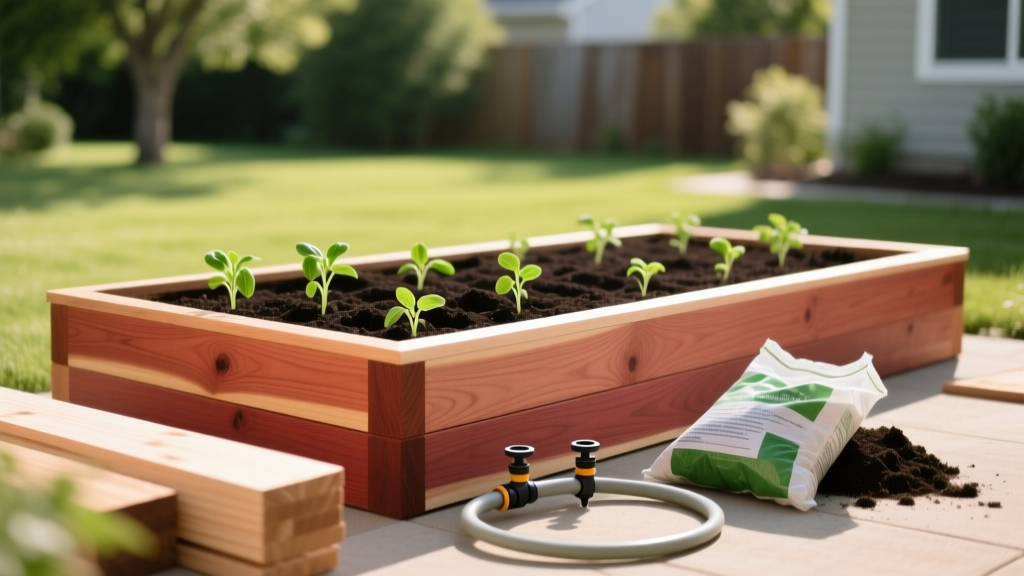
DIY Raised Bed Garden Cost Breakdown and Budget Guide
Robert HayesPublished
Embarking on a garden-to-table journey is one of the most rewarding home and garden projects you can undertake. However, the excitement of harvesting your own organic tomatoes, crisp lettuce, and fragrant herbs can quickly wilt if you do not properly budget for the initial setup and ongoing maintenance. Building a DIY raised bed garden bridges the gap between outdoor landscaping and indoor culinary life, but it requires a strategic financial approach. In this comprehensive cost and budgeting guide, we will break down the exact expenses of constructing a standard 4-foot by 8-foot raised bed, integrating smart home irrigation, and calculating your ultimate return on investment (ROI).
Selecting the Right Structural Materials
The first major line item in your budget is the physical structure of the raised bed. The standard size for a DIY garden bed is 4 feet wide by 8 feet long, with a depth of 11 to 12 inches. This dimension allows you to reach the center of the bed from either side without stepping on the soil, preserving its structure and preventing compaction.
- Untreated Cedar or Redwood: The gold standard for raised beds due to natural rot resistance. A 4x8 bed using 2-inch by 12-inch cedar boards will cost between $120 and $180, depending on local lumber yard prices. Expect a lifespan of 10 to 15 years.
- Galvanized Steel Corrugated Panels: A trendy, durable, and often more cost-effective alternative. A complete 4x8 oval or rectangular galvanized steel kit (such as those from VEVOR or Best Choice Products) typically retails for $80 to $130. These can last 20+ years but may heat up the soil edges in extreme summer climates.
- Composite Timber (e.g., Trex or TimberTech): Made from recycled plastics and wood fibers, composite boards will never rot. However, they are the most expensive option, pushing the structural budget for a 4x8 bed to $250–$350. They also require specialized interior bracing to prevent bowing under the immense weight of wet soil.
The Foundation of Growth: Soil and Amendment Budgeting
Soil is where most first-time gardeners accidentally blow their budget. A 4x8 bed that is 1 foot deep requires exactly 32 cubic feet of soil. Buying this volume in standard 1.5-cubic-foot bags from a big-box store would require over 21 bags, costing upwards of $150 to $200 and resulting in a massive plastic waste footprint.
According to the University of Maryland Extension, the ideal soil mix for raised bed vegetable gardens should not rely solely on native ground soil, which compacts too heavily in a confined space. Instead, they recommend a blended mixture consisting of roughly 50% high-quality topsoil, 30% organic compost, and 20% aeration material like coarse sand or perlite to ensure proper drainage and root penetration.
To execute this on a budget, order bulk materials from a local landscape supply yard rather than buying bagged soil.
- Bulk Topsoil (16 cubic feet / ~0.6 cubic yards): $25–$40
- Bulk Compost (10 cubic feet / ~0.4 cubic yards): $30–$50
- Bagged Perlite or Coarse Sand (6 cubic feet): $30–$45 (Bulk aeration is harder to source in small quantities, so bagged is often necessary).
- Delivery Fee: $50–$100 (Pro tip: Split a bulk delivery with a neighbor to halve the freight cost).
- Total Soil Budget: $135–$235.
Smart Home Irrigation Integration
Bridging outdoor gardening with smart home technology is not just a luxury; it is a vital water-conservation strategy that pays for itself over time. Hand-watering a 32-cubic-foot soil bed is time-consuming, inefficient, and leads to uneven moisture levels that can cause blossom end rot in tomatoes.
Start with a Rain Bird or DIG Corporation drip irrigation kit specifically designed for raised beds. These kits include a pressure regulator, distribution tubing, and adjustable drip emitters, costing between $35 and $60. Drip irrigation delivers water directly to the root zone, reducing evaporation and preventing fungal diseases on plant leaves caused by overhead watering.
Next, integrate a smart irrigation controller. The Rachio 3 Smart Sprinkler Controller (approx. $230) or the more budget-friendly Orbit B-hyve Smart Hose Faucet Timer (approx. $80) connects to your home Wi-Fi. These devices use local weather data and evapotranspiration (ET) rates to automatically skip watering on rainy days and adjust run times based on seasonal heat. According to the EPA's WaterSense program, smart irrigation controllers can save the average home nearly 7,600 gallons of water annually, significantly lowering your seasonal utility bills and offsetting the initial hardware cost.
Comprehensive Budget Breakdown Table
Below is a realistic budget for a mid-tier 4x8 raised bed setup utilizing galvanized steel, bulk soil delivery, and smart hose irrigation.
| Category | Item Description | Estimated Cost |
|---|---|---|
| Structure | Galvanized Steel 4x8 Kit | $110.00 |
| Soil Base | Bulk Topsoil (0.6 cu yd) | $35.00 |
| Organic Matter | Bulk Compost (0.4 cu yd) | $40.00 |
| Aeration | Bagged Perlite (6 cu ft) | $35.00 |
| Delivery | Local Landscape Yard Freight | $75.00 |
| Irrigation | DIG Raised Bed Drip Kit | $45.00 |
| Smart Tech | Orbit B-hyve Hose Timer | $80.00 |
| Hardware | Landscape Fabric & Zip Ties | $25.00 |
| Total | Initial Setup Investment | $445.00 |
Hidden Costs and Ongoing Maintenance
The initial build is only half the financial equation. To maintain a thriving garden-to-table ecosystem, you must budget for seasonal inputs and ongoing maintenance.
- Seeds vs. Transplants: A packet of heirloom seeds (e.g., from Baker Creek or Johnny's Selected Seeds) costs $3 to $5 and yields dozens of plants. Nursery transplants cost $4 to $8 per single plant. Budget $50 for seeds and $60 for essential transplants like indeterminate tomatoes and peppers.
- Organic Fertilizers: Heavy feeders like squash and tomatoes require supplemental nutrition. Budget $25 for a granular organic fertilizer like Espoma Garden-tone and $15 for a water-soluble fish emulsion.
- Mulch: Applying a 2-inch layer of straw or shredded leaves over the soil surface retains moisture and suppresses weeds. Straw bales cost around $8 to $12 each in the fall.
Maximizing Your Garden-to-Table ROI
Not all crops are created equal when it comes to financial return on investment. To justify the $445 initial setup cost, focus your square footage on high-yield, high-value crops.
- High ROI Crops: Cherry tomatoes, fresh culinary herbs (basil, cilantro, rosemary), and gourmet salad greens. A single healthy cherry tomato plant can produce 10 to 15 pounds of fruit over a season, easily offsetting the $5 cost of a nursery start when compared to $4.99 per pint at the grocery store.
- Low ROI Crops: Potatoes, onions, and standard carrots. These root vegetables are incredibly cheap to purchase at the supermarket, take up massive amounts of space, and require long growing seasons. Leave these to commercial farmers and use your premium raised bed real estate for expensive, perishable items that taste infinitely better when harvested minutes before dinner.
Conclusion
Building a DIY raised bed garden is a strategic investment in your home's landscape, your family's health, and your culinary repertoire. By carefully selecting durable materials, sourcing soil in bulk, and leveraging smart home irrigation technology, you can control costs while maximizing your garden-to-table yield. With proper seasonal maintenance and high-ROI crop selection, your raised bed will pay for itself in grocery savings and immeasurable satisfaction by the end of your second harvest season.
