Home & Garden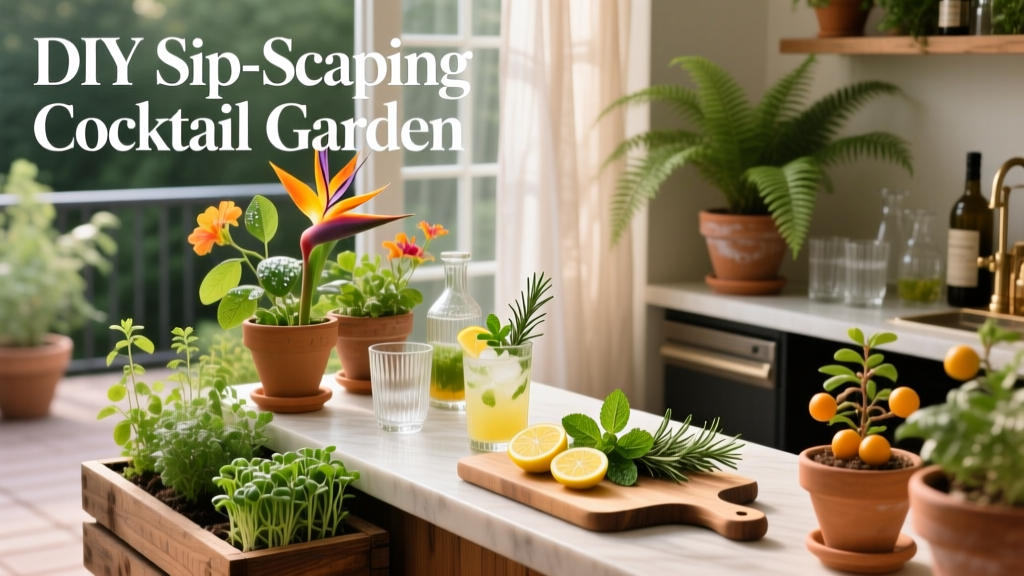
DIY Sip-Scaping: How to Grow a Viral Cocktail Garden
Lisa ThompsonPublished
What is Sip-Scaping? The Viral Garden-to-Table Trend
If you have spent any time on TikTok, Instagram, or Pinterest recently, you have likely encountered the viral trend known as sip-scaping. Blending the aesthetics of landscape design with the functionality of a garden-to-table bar cart, sip-scaping involves cultivating a dedicated outdoor space specifically designed to grow the herbs, fruits, and botanicals needed for craft cocktails and mocktails. This trend bridges the gap between indoor entertaining and outdoor living, transforming your patio or backyard into an interactive, aromatic experience for your guests.
Unlike traditional vegetable gardens that focus on heavy crops like tomatoes or squash, a beverage garden prioritizes high-yield, aromatic plants that offer immediate gratification. With the rising cost of premium craft cocktails, often exceeding $15 to $20 per drink at local bars, homeowners are turning to sip-scaping as a cost-effective, sustainable, and highly rewarding DIY project. A well-planned 4x4-foot raised bed can yield enough fresh garnishes, muddled herbs, and simple syrup bases to supply a summer of weekend entertaining for under $150.
Planning Your Beverage Garden: Sun, Soil, and Space
Before purchasing seeds or starter plants, you must evaluate your outdoor space. Most culinary herbs and berry bushes require full sun, which means at least six to eight hours of direct sunlight per day. If your patio is heavily shaded, you will need to rely on container gardening so you can move your plants to follow the sun, or focus on shade-tolerant options like lemon balm and alpine strawberries.
For soil, drainage is paramount. According to Penn State Extension, most Mediterranean herbs such as rosemary, thyme, and lavender prefer a slightly alkaline, well-draining soil with a pH between 6.5 and 7.5. Heavy clay soils will suffocate their roots and lead to rot. If you are building a raised bed, use a mix of 60% high-quality topsoil, 30% organic compost, and 10% perlite or coarse sand to ensure optimal drainage and aeration.
The Ultimate Sip-Scaping Plant Palette
The Muddled Mint Family
No cocktail garden is complete without mint. However, mint is notoriously invasive. The Old Farmer's Almanac strongly recommends growing mint in isolated containers or sunken pots to prevent its aggressive underground runners from choking out your other plants. For a classic Mojito, seek out Mojito Mint (Mentha x villosa), which offers a smoother, less menthol-heavy flavor than standard peppermint.
Aromatic Shrubs and Edible Flowers
Rosemary and thyme are essential for gin-based drinks and craft lemonades. Borage and nasturtiums provide stunning, peppery edible flowers that look incredible frozen into artisanal ice cubes. Lavender is another viral favorite, perfect for creating floral simple syrups for lavender lattes or gin fizz cocktails.
Vine and Berry Accents
For those who enjoy a tart, complex flavor profile, consider adding rhubarb. As noted by the University of Minnesota Extension, rhubarb is a hardy perennial that thrives in cooler climates and produces thick, tart stalks perfect for crafting vibrant pink rhubarb syrups and sour mixes. Pair it with trailing alpine strawberries for a sweet-and-sour garden border.
Data Table: Plant Spacing, Yield, and Harvest Timing
| Plant Name | Spacing | Days to Harvest | Best Cocktail Use | Estimated Cost (Starter) |
|---|---|---|---|---|
| Mojito Mint | 18-24 inches (Container) | 14-21 days | Mojitos, Juleps, Mocktails | $4 - $6 |
| Borage | 12-18 inches | 55-60 days | Edible flower ice cubes, Gin garnishes | $3 (Seeds) |
| Rosemary | 24-36 inches | 80-90 days | Smoked sprigs, Gin and Tonic stirrers | $5 - $8 |
| Rhubarb | 36-48 inches | 1 year (established) | Tart syrups, Margarita rims | $10 - $15 (Crown) |
| Alpine Strawberry | 6-8 inches | 60-70 days | Muddled berries, Champagne infusions | $5 - $7 |
Step-by-Step Planting and Maintenance Guide
Step 1: Build or Buy the Bed (Early Spring)
A standard 4x4-foot cedar raised bed kit costs between $80 and $120. Cedar is naturally rot-resistant and will last for years without leaching chemicals into your edible soil. Assemble the bed on a flat, level surface and line the bottom with hardware cloth to deter burrowing pests like voles.
Step 2: Planting Strategy (Post-Frost)
Wait until all danger of the last spring frost has passed. Plant your taller, woody shrubs like rosemary and lavender in the center or north-facing side of the bed so they do not cast shadows on smaller plants. Place your trailing strawberries and nasturtiums near the edges so they can cascade beautifully over the cedar walls.
Step 3: Watering and Feeding
Herbs generally prefer to dry out slightly between waterings. Aim for about one inch of water per week, either from rainfall or a drip irrigation system. Avoid overhead watering, which can promote fungal diseases like powdery mildew on mint and borage. Feed your plants once a month with a diluted organic liquid fertilizer, such as a fish emulsion or seaweed extract, to encourage lush, aromatic foliage growth.
Smart Irrigation Integration for the Modern Mixologist
To truly bridge the gap between outdoor landscaping and smart home technology, consider integrating a Wi-Fi-enabled drip irrigation system into your sip-scape. Plants like mint and borage require consistent moisture, while rosemary and lavender will suffer if overwatered. By utilizing a smart hub like the Rachio or Orbit B-hyve, you can create distinct watering zones. Connect a drip line with adjustable emitters to your raised bed, allowing you to deliver precise, low-volume water directly to the root zones of your thirsty mint plants while keeping the Mediterranean herbs on a drier schedule. This not only conserves water but ensures your botanicals produce the highest concentration of essential oils, which is critical for vibrant cocktail flavors.
Cost Breakdown and Return on Investment
Building a viral-worthy sip-scaping garden is surprisingly affordable when compared to the cost of frequenting craft cocktail bars. Here is a realistic budget for a standard 4x4-foot raised bed setup:
- Cedar Raised Bed Kit (4x4x1 ft): $90 - $130
- Organic Raised Bed Soil and Compost (16 cubic feet): $60 - $80
- Starter Plants (Mint, Rosemary, Thyme, Lavender, Strawberries): $35 - $50
- Seeds (Borage, Nasturtium): $6 - $10
- Smart Drip Irrigation Starter Kit: $45 - $70
- Total Estimated Initial Investment: $236 - $340
Considering a single craft cocktail at a high-end bar averages $16, and a fresh Mojito requires roughly $1 worth of homegrown mint, lime, and simple syrup, your garden will pay for itself after hosting just three or four summer gatherings. Furthermore, the aesthetic upgrade to your outdoor living space adds immeasurable value to your home curb appeal and entertainment potential.
Harvesting and Prepping for the Bar Cart
The true magic of sip-scaping happens when you bring the harvest to your indoor or outdoor bar. To maximize your yield and minimize waste, employ these viral preservation techniques:
- Artisanal Ice Cubes: Harvest borage flowers, small mint leaves, and edible pansies. Place them into silicone ice molds, fill with filtered water, and freeze. These floral cubes elevate a simple glass of sparkling water or gin and tonic into a premium visual experience.
- Dehydrated Citrus and Herb Wheels: Use a food dehydrator set to 115 degrees Fahrenheit to dry slices of homegrown lemons, limes, and sprigs of rosemary. Store them in airtight glass jars on your bar cart for year-round garnishes that add concentrated aromatic oils to any drink.
- Quick Simple Syrups: Combine equal parts water and sugar in a saucepan. Bring to a simmer, remove from heat, and steep massive handfuls of fresh lavender, mint, or rhubarb stalks until the liquid cools. Strain and bottle for custom mocktails and craft cocktails.
The best cocktails are not just mixed; they are grown. A garden-to-table approach to mixology forces you to slow down, appreciate the seasons, and engage with your guests in a deeply interactive way.
Conclusion
Sip-scaping is more than just a fleeting social media trend; it is a sustainable, cost-effective way to merge landscape design with indoor entertaining. By dedicating just a few square feet of your outdoor space to a curated cocktail garden, you can dramatically reduce your entertainment expenses while impressing your guests with ultra-fresh, zero-mile botanicals. Whether you are shaking up a backyard mojito or stirring a quiet evening mocktail, your sip-scape will provide the perfect garnish for every occasion.
