Pest Control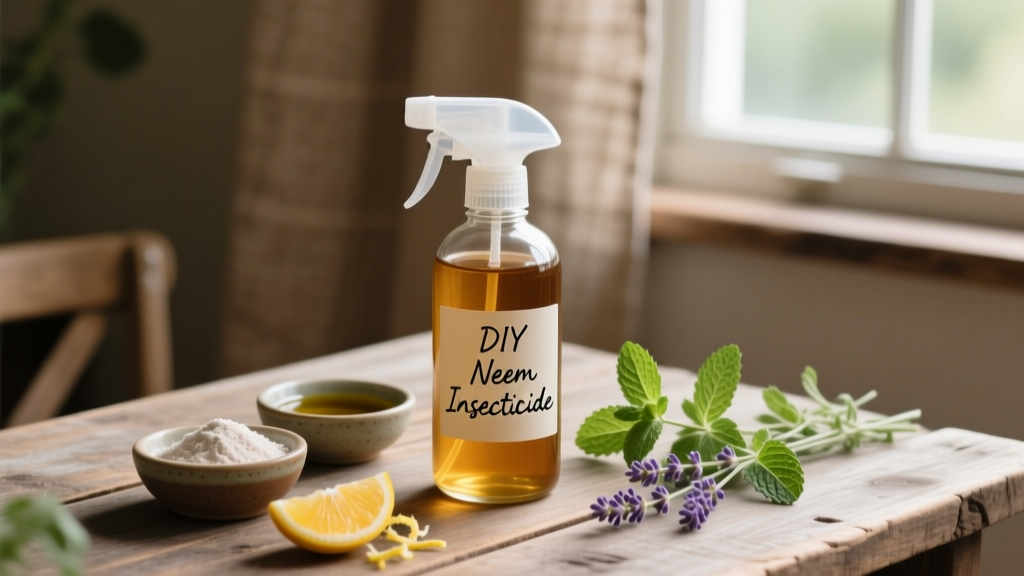
Budget DIY Insecticidal Soap and Neem Oil Pest Guide
Emily WatsonPublished
The Hidden Costs of Commercial Lawn and Garden Pest Control
Every spring and summer, homeowners and garden enthusiasts face the inevitable arrival of sap-sucking insects and foliage-chewing pests. While a trip to the local garden center might seem like the easiest solution, commercial ready-to-use pesticide sprays can easily cost between fifteen and thirty dollars per 32-ounce bottle. Over the course of a single growing season, treating a moderate-sized garden and lawn perimeter can drain hundreds of dollars from your household budget. Fortunately, integrated pest management (IPM) does not require expensive synthetic chemicals. By leveraging budget-friendly DIY solutions, specifically homemade insecticidal soaps and neem oil emulsions, you can effectively manage common lawn and garden pests for pennies on the dollar.
Transitioning to DIY pest control is not just about saving money; it is about taking control of the ingredients you introduce into your local ecosystem. When you mix your own organic sprays, you eliminate the unnecessary synthetic surfactants, artificial dyes, and petroleum-based solvents often found in commercial formulations. This guide will walk you through the science, recipes, and application strategies required to turn inexpensive household ingredients into a formidable defense against garden invaders.
The Science: How Soaps and Neem Oil Eradicate Pests
Before mixing any solution, it is vital to understand the biological mechanisms that make these DIY treatments effective. According to experts at Clemson University Extension, insecticidal soaps work primarily through physical action rather than chemical toxicity. The fatty acids in the soap penetrate the soft outer cuticle of soft-bodied insects, causing their cell membranes to collapse. This leads to rapid dehydration and death. Because the action is physical, pests cannot develop genetic resistance to soap sprays, making them an invaluable tool in long-term pest management.
Neem oil, derived from the seeds of the Azadirachta indica tree, operates on multiple fronts. It acts as a contact smothering agent, similar to soap, but it also contains azadirachtin, a naturally occurring compound that disrupts the hormonal systems of insects. When ingested by chewing pests, azadirachtin inhibits feeding, molting, and reproduction. The Environmental Protection Agency (EPA) recognizes botanical pesticides like neem oil as highly effective, low-risk alternatives to synthetic chemicals, particularly because they break down rapidly in the environment and leave no toxic residue.
Recipe 1: The Ultimate Budget DIY Insecticidal Soap
Creating your own insecticidal soap is remarkably simple, but ingredient selection is critical. You must avoid standard kitchen dish detergents or degreasers. Modern dish liquids are synthetic detergents designed to strip grease and oils; using them on your plants will strip the protective waxy cuticle from your leaves, leading to severe phytotoxicity and plant death. Instead, you need a pure, natural castile soap.
Ingredients and Equipment
- 1 tablespoon of pure liquid castile soap (such as unscented Dr. Bronner's)
- 1 quart of soft water or distilled water (hard water reacts with soap to form scum, reducing efficacy)
- 1 clean spray bottle or pump sprayer
Mixing Instructions
Add the water to your sprayer first, then add the castile soap. This prevents excessive foaming. Gently swirl the mixture to combine. The cost breakdown for this recipe is astonishingly low. A standard sixteen-ounce bottle of pure castile soap costs roughly ten dollars and contains approximately thirty-two tablespoons. This means the soap cost per quart of spray is less than twenty cents. Compared to a commercial soap spray that costs eight dollars per quart, the DIY route saves you over ninety percent per application.
Recipe 2: DIY Cold-Pressed Neem Oil Emulsion
Neem oil and water do not mix naturally. If you simply add neem oil to a sprayer full of water, the oil will float to the top, resulting in uneven application that can burn plant leaves in concentrated spots while leaving pests untreated in others. To create a stable emulsion, you must use an emulsifier—in this case, the castile soap from our previous recipe.
Ingredients and Equipment
- 1 teaspoon of 100% pure, cold-pressed neem oil
- 1/2 teaspoon of liquid castile soap (acts as the emulsifier)
- 1 quart of warm water (warmth helps the oil emulsify more readily)
Mixing Instructions
First, mix the neem oil and castile soap together in a small cup until they form a cloudy paste. Next, pour the warm water into your sprayer, add the oil-soap paste, and shake vigorously for at least thirty seconds. The resulting liquid should be a milky, opaque white. If you see oil droplets floating on the surface after shaking, add a few more drops of soap and shake again. According to the University of California Agriculture and Natural Resources IPM program, properly emulsified horticultural oils and soaps are highly effective against a broad spectrum of pests while remaining safe for most ornamental and vegetable plants when applied correctly.
Target Pests: What Will These DIY Sprays Kill?
Both DIY soap and neem oil sprays are highly effective against soft-bodied insects and specific arachnids. They are not broad-spectrum nerve poisons, meaning they will not kill hard-shelled beetles or caterpillars instantly, though neem oil will disrupt their life cycle over time.
- Aphids: These cluster on new growth and suck plant sap. Soap sprays provide immediate knockdown upon direct contact.
- Spider Mites: Often found on the undersides of leaves, mites are technically arachnids. Neem oil is particularly effective here, as it coats the leaves and disrupts their feeding and egg-laying cycles.
- Whiteflies: These tiny, moth-like insects take flight when disturbed. Spraying at dawn when they are sluggish ensures better contact.
- Mealybugs and Scale: The crawlers (juvenile stage) are highly susceptible to soap. Adult scale insects have a hard waxy armor that requires the smothering action of neem oil applied repeatedly over several weeks.
Cost and Efficacy Comparison Chart
Understanding the financial and practical differences between DIY methods and store-bought options helps illustrate the value of homemade pest control.
| Feature | DIY Castile Soap Spray | DIY Neem Oil Emulsion | Commercial Ready-to-Use Spray |
|---|---|---|---|
| Cost per Quart | $0.20 - $0.30 | $0.50 - $0.75 | $8.00 - $15.00 |
| Primary Action | Contact dehydration | Contact smothering & hormonal disruption | Neurotoxin or contact smothering |
| Resistance Risk | None (Physical action) | Very Low | High (with repeated use) |
| Shelf Life | Mix as needed (degrades in 24 hrs) | Mix as needed (degrades in 24 hrs) | 1 to 2 years |
| Environmental Impact | Negligible | Low (breaks down in sunlight) | Varies (can harm beneficials) |
Crucial Application Rules for DIY Sprays
Because DIY sprays lack the synthetic UV protectants and chemical buffers found in commercial products, you must adhere to strict application guidelines to avoid damaging your lawn and garden.
Timing is Everything
Never apply soap or neem oil sprays during the heat of the day or when temperatures exceed eighty-five degrees Fahrenheit. The combination of oils, soaps, and intense sunlight will rapidly cause leaf burn (phytotoxicity). The best time to spray is early in the morning or late in the evening. Evening applications are often preferred because they allow the spray to dry slowly, maximizing the contact time with nocturnal pests and ensuring that foraging bees are not actively visiting the flowers.
Pro Tip: Adding a teaspoon of vegetable oil to your soap spray can help it adhere to waxy leaves, such as those on cabbage or kale, improving the contact time with pests like cabbage loopers and aphids.
The Patch Test Protocol
Plant species vary wildly in their sensitivity to soaps and oils. Before treating an entire garden bed or lawn perimeter, spray a single, inconspicuous leaf and wait twenty-four hours. If the leaf shows signs of yellowing, browning, or wilting, your plant is sensitive. You may need to dilute the solution further or abandon the treatment for that specific species. Plants with fuzzy leaves, such as African violets or certain succulents, are generally highly sensitive to soap sprays.
Coverage and Frequency
Contact sprays only kill the pests they actually touch. You must thoroughly coat the upper and lower surfaces of the leaves, as well as the stems. Pests like aphids and whiteflies congregate on the undersides of leaves and along the tender growing tips. Because these sprays leave no toxic residue once they dry, they do not provide residual protection. You must reapply every five to seven days, or immediately after a heavy rainfall, to break the reproductive cycle of the target pests.
Protecting Beneficial Insects and Pollinators
A core tenet of Integrated Pest Management is the preservation of beneficial insects. While DIY soaps and neem oils are organic, they are not entirely harmless to beneficials if applied recklessly. Soap sprays will kill soft-bodied predators like ladybug larvae and lacewings on direct contact. However, because the soap leaves no residue once dry, beneficial insects that land on the treated foliage hours later will not be harmed. To protect local pollinator populations, avoid spraying open blossoms. If you must treat a flowering plant, do so at dusk after bees and butterflies have returned to their hives and roosts.
Final Thoughts on Budget Pest Control
Effective pest control does not require a massive budget or a reliance on harsh synthetic chemicals. By mastering the simple chemistry of castile soap and neem oil, you can protect your lawn edges, vegetable gardens, and ornamental beds for a fraction of the cost of commercial products. These DIY solutions empower you to maintain a thriving, balanced garden ecosystem while keeping your hard-earned money exactly where it belongs: in your pocket.