Pest Control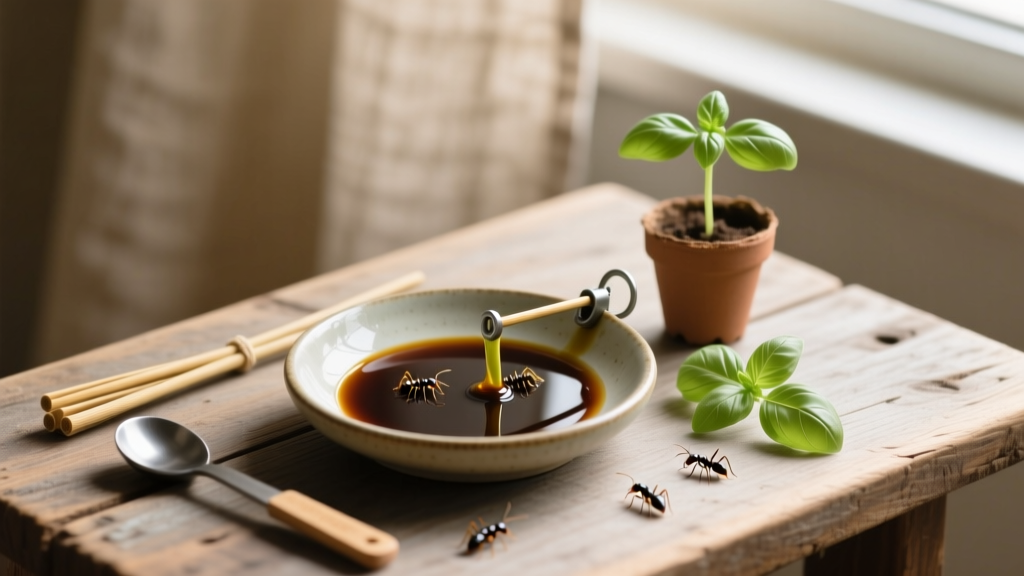
DIY Soy Sauce Oil Earwig Trap
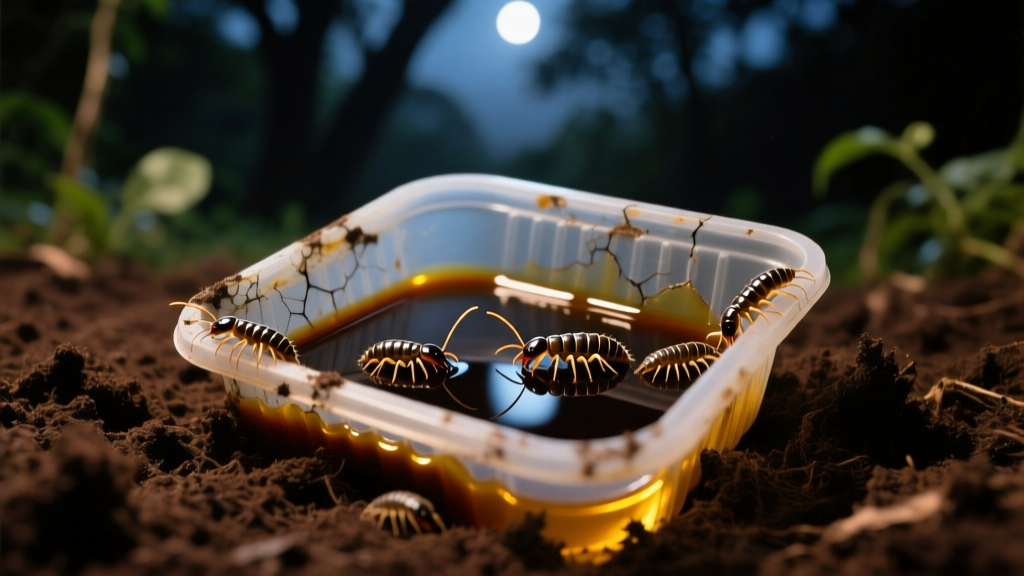
An earwig trap using soy sauce and oil works by combining the fermented, umami scent of soy sauce to attract earwigs with a layer of vegetable oil that prevents them from escaping. Mix equal parts soy sauce and vegetable oil in a shallow container, bury it to the rim, and place it near infested plants. This guide is designed for home gardeners and organic growers seeking a low-cost, non-toxic method to manage Forficula auricularia (European earwig) populations without synthetic pesticides.
Key Takeaways
- Mix a 1:1 volume ratio of soy sauce and vegetable oil for optimal attraction and lethality.
- Bury recycled containers so the rim sits exactly 0.5 inches above the soil line.
- Check and refresh traps every 48 hours to maintain scent potency and prevent overflow.
- Deploy 15 to 20 traps per 1,000 square feet for severe infestations.
The Science Behind the Soy Sauce Earwig Trap
European Earwig (Forficula auricularia): A nocturnal, omnivorous insect characterized by its prominent abdominal pincers. It measures between 0.25 and 0.5 inches in length, seeking damp, dark refuges during daylight hours and feeding on both decaying organic matter and tender plant foliage at night.
Earwigs rely heavily on olfactory cues to locate food sources in the dark. The fermentation process of soy sauce produces volatile organic compounds, including alcohols and amino acids, that mimic the scent of decaying plant matter and fungi. According to the University of California Agriculture and Natural Resources, earwigs are highly attracted to these fermenting odors, making soy sauce an excellent, low-cost bait.
Surface Tension Trap: A passive pest control mechanism utilizing liquids with low surface tension, such as vegetable oil. When insects fall into the fluid, the oil coats their spiracles and exoskeleton, eliminating their ability to breathe or climb out of the containment vessel.
While soy sauce draws the pests in, it lacks the viscosity to drown them quickly. Earwigs can easily swim in water-based liquids. Adding vegetable oil creates a physical barrier. The oil coats the insect's exoskeleton, blocking its spiracles (breathing pores) and causing rapid suffocation.
Step-by-Step DIY Soy Sauce and Oil Earwig Trap
Mixing the Bait
Combine 2 fluid ounces of standard soy sauce with 2 fluid ounces of cheap vegetable oil or canola oil. Stir the mixture vigorously for 30 seconds to ensure the liquids are temporarily emulsified. The 1:1 volume ratio provides enough scent dispersion while maintaining a thick oil layer on the surface.
Assembling the Container
Select a shallow, rigid container with a 4 fluid ounce capacity, such as a cleaned tuna can, a small yogurt cup, or a cut-down plastic water bottle. Avoid deep containers, as earwigs prefer to forage near the soil surface. Pour the mixed bait into the container until it is three-quarters full.
Strategic Placement
Dig a small hole in the soil near the base of damaged plants, such as dahlias, marigolds, or hostas. Place the container in the hole so the rim sits exactly 0.5 inches above the soil line. This elevation prevents rainwater and irrigation runoff from diluting the bait while allowing foraging earwigs to easily climb over the edge.
Space your traps in a grid pattern, deploying 15 to 20 traps per 1,000 square feet of garden bed. The Oregon State University Extension Service recommends placing traps in shaded, damp areas where earwigs naturally seek daytime shelter.
Trap Maintenance and Disposal
Inspect your traps every 24 to 48 hours. Remove dead earwigs using tweezers or a small slotted spoon to prevent the trap from overflowing and losing its efficacy. If the soy sauce scent dissipates or the oil becomes heavily saturated with debris, discard the liquid and mix a fresh batch.
Dispose of dead earwigs by sealing them in a plastic bag and placing them in your municipal trash bin. Do not add drowned earwigs to your home compost pile, as the oil and soy sauce can disrupt the composting microbial balance and attract unwanted vertebrate scavengers.
Comparison Matrix: DIY Traps vs. Commercial Baits
| Trap Type | Active Attractant | Lethality Mechanism | Cost per Trap | Environmental Impact |
|---|---|---|---|---|
| Soy Sauce & Oil (DIY) | Fermented amino acids | Suffocation via spiracle blocking | $0.15 | Zero synthetic toxicity |
| Soapy Water (DIY) | Moisture / Light | Surfactant drowning | $0.05 | Low, but requires daily refresh |
| Spinosad Bait (Commercial) | Proprietary food grade | Neurotoxin (bacterial derived) | $0.85 | Moderate, harmful to bees if misapplied |
Frequently Asked Questions
Does soy sauce kill earwigs on its own?
No. Soy sauce acts strictly as an olfactory attractant. Without the addition of a suffocating agent like vegetable oil or a surfactant like dish soap, earwigs will drink the soy sauce and climb right back out of the container.
What is the best soy sauce and vegetable oil for earwigs ratio?
A strict 1:1 volume ratio is optimal. Using too much soy sauce dilutes the oil layer, allowing earwigs to escape. Using too much oil suppresses the volatile scent compounds of the soy sauce, reducing the trap's effective attraction radius.
How to make a soy sauce earwig trap without plastic?
You can use small glass jars, such as repurposed baby food containers, or shallow terracotta saucers. If using terracotta, line the bottom with a piece of aluminum foil before adding the liquid, as unglazed clay will absorb the oil and soy sauce mixture.
Conclusion
A DIY soy sauce and oil trap provides an immediate, non-toxic solution for protecting vulnerable garden plants from nocturnal earwig feeding. By leveraging the strong fermented scent of soy sauce and the suffocating properties of vegetable oil, you can drastically reduce local pest populations without resorting to broad-spectrum chemical pesticides. Set out your first batch of traps tonight at dusk, placing them in the damp, shaded microclimates where earwigs are most active, and check them tomorrow morning to assess your infestation level.