Pest Control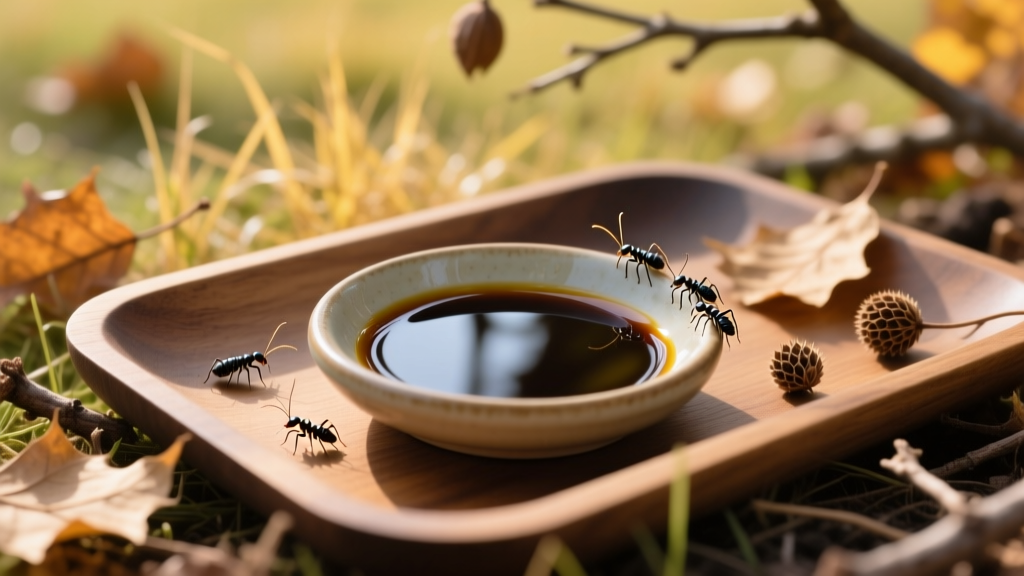
Fall 2026 Earwig Control: DIY Soy Sauce & Oil Traps
Robert HayesPublished
As autumn 2026 settles in and the evening temperatures begin to dip, your fall lawn care routine must shift from summer maintenance to winter preparation. One critical, often overlooked aspect of this seasonal transition is pest control—specifically, managing the European earwig (Forficula auricularia). While these small, pincered insects are mostly harmless scavengers, their autumn migration can turn them into a severe nuisance. As their summer garden habitats dry up or face the first hard frosts, earwigs actively seek out damp, sheltered environments to overwinter. This often leads them straight to your home's foundation, thick lawn thatch, and compost bins.
Fortunately, you don't need to rely on harsh synthetic chemicals to protect your property this fall. The DIY soy sauce and oil earwig trap is a highly effective, incredibly cheap, and environmentally responsible method to intercept these pests before they establish overwintering colonies in your landscape. In this comprehensive 2026 guide, we will explore the science behind this trap, how to build it, and how to integrate it into your broader fall lawn care strategy.
The Autumn Earwig Migration: Why Fall Lawn Care Matters
Understanding earwig behavior is the first step in effective integrated pest management (IPM). During the spring and summer, earwigs live in the soil, feeding on decaying plant matter, aphids, and soft plant shoots. However, as fall approaches, their survival instincts kick in. According to Penn State Extension, earwigs are highly sensitive to temperature drops and moisture loss. In autumn, they congregate in large numbers to find insulated hiding spots.
If your fall lawn care routine leaves thick layers of wet leaves, excessive thatch, or over-mulched flower beds near your home, you are essentially rolling out a welcome mat for earwigs. By deploying targeted traps in early to mid-fall, you can drastically reduce the population that attempts to invade your garage, basement, or indoor living spaces once the first deep freeze arrives.
How the DIY Soy Sauce and Oil Trap Works
The genius of the soy sauce and oil trap lies in its exploitation of the earwig's foraging biology. Earwigs are strongly attracted to the scent of fermentation, yeast, and high-sodium organic compounds. Soy sauce perfectly mimics the aroma of decaying organic matter and fungal growth that earwigs naturally seek out in the damp autumn soil.
Once the earwig is lured to the container by the soy sauce, the second ingredient—vegetable oil—takes over. Earwigs are excellent climbers and can easily scale the inside walls of a smooth container. However, when vegetable oil is mixed with the soy sauce, it creates a viscous, slippery surface tension barrier. When the earwig reaches the liquid to feed, the oil coats its body and spiracles (breathing pores), preventing escape and ultimately suffocating the pest. It is a simple, elegant, and lethal combination for these nocturnal scavengers.
Materials and Step-by-Step Assembly
Building these traps takes less than five minutes and utilizes items you likely already have in your kitchen and recycling bin. Here is what you need to get started for the 2026 fall season:
- Containers: Clean, shallow tin cans (like tuna or sardine cans) or small plastic yogurt cups. You will need 5 to 10 traps for an average suburban yard.
- Soy Sauce: Any standard, inexpensive brand will work. Low-sodium versions are less effective because the salt content is a key attractant.
- Vegetable Oil: Canola, soybean, or leftover cooking oil (strained) works perfectly.
- Trowel: For digging small holes in your lawn or garden beds.
Assembly Instructions
- Mix the Bait: In a small bowl, combine two parts soy sauce with one part vegetable oil. For a standard tuna can, this usually means 2 tablespoons of soy sauce and 1 tablespoon of oil.
- Pour: Transfer the mixture into your shallow containers, filling them about halfway to prevent rain splash-out.
- Dig and Bury: Use your trowel to dig a hole in the soil near earwig hotspots. Place the can in the hole so that the rim is perfectly flush with the soil surface. Earwigs forage on the ground and will not climb into a raised cup.
- Camouflage (Optional): Place a small flat stone or piece of bark over the trap, propped up by two small pebbles. This creates a dark, inviting shelter for the earwigs while keeping heavy autumn rains from diluting your bait.
2026 Earwig Control Methods Compared
How does this DIY method stack up against commercial products available at garden centers this year? Below is a comparison of the most common fall earwig control strategies.
| Control Method | Est. Cost (2026) | Eco-Friendly | Fall Efficacy | Pet Safety |
|---|---|---|---|---|
| DIY Soy Sauce & Oil Trap | $1.50 | High | High | Moderate (Sodium risk) |
| Spinosad Commercial Bait | $15.00 | Moderate | High | High |
| Diatomaceous Earth | $10.00 | High | Low (Washes away in rain) | High |
| Carbaryl Chemical Spray | $22.00 | Low | Moderate | Low (Toxic) |
Strategic Placement in Your Autumn Landscape
Placement is just as critical as the bait itself. According to the University of California Statewide IPM Program, earwigs travel along the edges of structures and within the protective cover of dense vegetation. To maximize your trap's efficacy, focus on the following zones during your fall lawn care walkthrough:
- Foundation Perimeters: Place traps every 3 to 5 feet along the exterior walls of your home, especially near basement windows, crawl space vents, and exterior doors.
- Compost Bins: The heat and decaying matter of a compost pile are earwig magnets. Surround the base of your bin with traps to catch them before they multiply.
- Moisture Zones: Areas near leaky outdoor spigots, downspout drains, or poorly graded lawn depressions that hold autumn rainwater.
- Firewood Stacks: If you are stacking firewood for the winter, earwigs will inevitably colonize the bark. Place traps around the perimeter of the woodpile.
Integrating Traps with Broader Fall Lawn Maintenance
Trapping is a reactive measure; true integrated pest management requires proactive habitat modification. As you perform your 2026 fall lawn care chores, take these extra steps to make your yard inhospitable to earwigs:
- Dethatching: Earwigs hide in thick layers of dead grass. Renting a dethatcher or using a vigorous leaf rake removes their daytime sanctuary.
- Leaf Removal: Do not allow wet autumn leaves to pile up against your home's siding. Bag them or add them to a hot, well-managed compost pile.
- Mulch Management: Pull mulch back at least 6 inches from your home's foundation. If you must mulch for winter root protection, use a thin layer of dry cedar or pine needles, which are less attractive to earwigs than damp hardwood mulch.
- Irrigation Adjustment: As the weather cools, your lawn needs significantly less water. Overwatering in the fall creates the damp soil conditions earwigs crave. Adjust your smart irrigation controllers to reflect autumn evapotranspiration rates.
Safety, Disposal, and Pet Considerations
While this DIY trap is non-toxic compared to synthetic carbamate baits, it is not entirely without risk to curious pets. Soy sauce contains very high levels of sodium. If a dog or cat drinks the liquid from an exposed trap, it can lead to severe sodium ion poisoning.
To mitigate this risk, always use the stone and pebble camouflage method mentioned earlier, which restricts access to small insects. Alternatively, you can punch small, earwig-sized holes (about 1/4 inch in diameter) into the sides of a plastic yogurt cup near the bottom, add the bait, and bury the cup. This allows earwigs to enter but prevents larger animals from accessing the liquid.
Check your traps every two to three days. When a trap is full, use a pair of garden tongs to dispose of the dead earwigs in your outdoor trash bin, or dump them into a bucket of soapy water to ensure they are deceased before adding them to your compost. Refill the cans with fresh soy sauce and oil as needed until the first hard frost renders the earwigs dormant.
Frequently Asked Questions
Will the soy sauce attract beneficial insects?
Beneficial insects like bees, ladybugs, and butterflies are not attracted to the fermented, salty profile of soy sauce. You may catch a few harmless ground beetles or rove beetles, which are actually beneficial predators, but the impact on your local ecosystem is negligible compared to broad-spectrum pesticide sprays.
Do earwigs really crawl into people's ears?
No. This is an enduring myth that dates back centuries. The University of Minnesota Extension confirms that earwigs have absolutely no interest in human ears. They seek out damp, dark, and decaying environments, which the human ear canal does not provide.
How long should I keep the traps out in the fall?
Maintain your trapping program from early autumn until the ground freezes solid. Once the top layer of soil freezes, earwigs will have already moved into their deep winter hibernation sites, and trapping will no longer be effective until the spring thaw.
By combining the DIY soy sauce and oil trap with diligent fall lawn cleanup, you can effectively manage earwig populations without resorting to expensive or environmentally damaging chemicals. Enjoy a pest-free transition into winter, and rest easy knowing your 2026 landscape is protected from the inside out.