Pest Control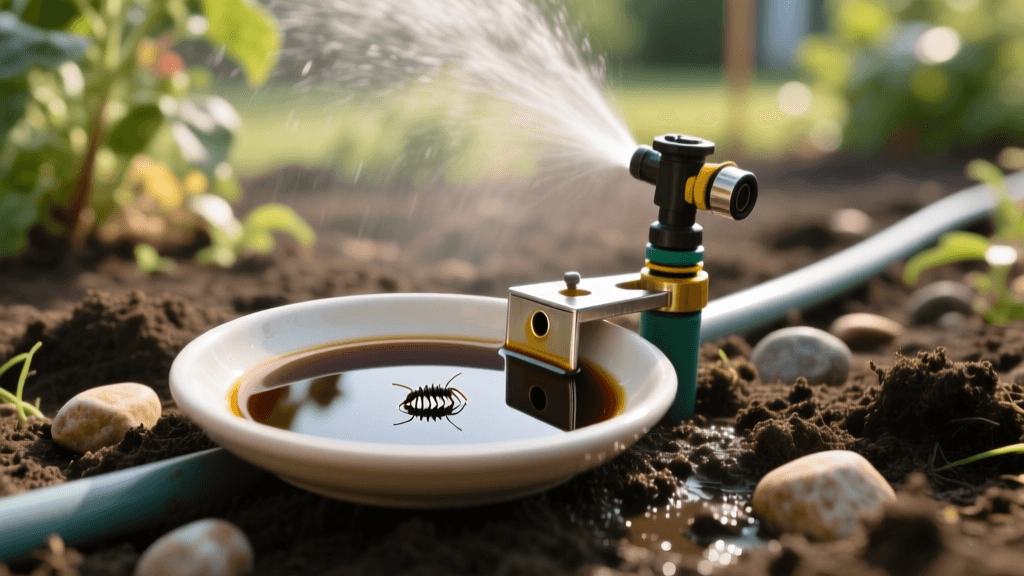
DIY Earwig Traps: Soy Sauce & Oil Method for Irrigation Zones 2026
The Connection Between Irrigation Systems and Earwig Infestations
As we navigate the 2026 growing season, maintaining a lush, healthy lawn and garden requires precise watering. However, the very systems we rely on to keep our landscapes vibrant—sprinklers, drip lines, and smart irrigation controllers—can inadvertently create the perfect breeding grounds for one of the most common garden pests: the European earwig (Forficula auricularia). Earwigs are thigmotactic, meaning they prefer tight, dark, and above all, moist environments. When your irrigation system leaves behind standing water, damp mulch, or consistently saturated soil, it rolls out the welcome mat for these nocturnal insects.
According to experts at Penn State Extension, earwigs are primarily scavengers that feed on decaying organic matter, though they will readily damage tender plant shoots, flowers, and soft fruits when populations surge. While chemical baits exist, many homeowners in 2026 are turning to Integrated Pest Management (IPM) strategies that prioritize eco-friendly, low-cost solutions. One of the most highly effective, non-toxic methods for controlling earwigs near your irrigation infrastructure is the DIY soy sauce and oil trap. This guide will explore the science behind this trap, how to build it, and how to strategically deploy it across your sprinkler and drip irrigation zones.
The Science Behind the Soy Sauce and Oil Earwig Trap
Why does a simple kitchen concoction work so well against earwigs? The secret lies in combining a powerful olfactory attractant with a physical trapping mechanism. Earwigs are drawn to the scent of fermentation, yeast, and amino acids. Soy sauce, rich in umami compounds and fermented soy proteins, mimics the smell of decaying organic matter and fungi—staples of the earwig diet. The salt content also acts as a mild attractant, though it is the complex volatile organic compounds (VOCs) released by the soy sauce that truly draws them in from the surrounding soil.
Once the earwig is lured to the trap, the second component takes over: vegetable oil. Earwigs are capable of navigating many types of liquid, but oil creates a barrier they cannot escape. The oil coats their exoskeleton and clogs their spiracles (breathing pores), leading to rapid suffocation. Furthermore, the surface tension of the oil prevents them from climbing back up the sides of the trap container. When placed near damp irrigation zones where earwigs naturally congregate, this 1:1 combination becomes a highly lethal, targeted population control tool.
Step-by-Step Guide: Building Your DIY Earwig Trap
Creating this trap requires only a few common household items and takes less than five minutes per unit. For a standard residential irrigation system with multiple zones, we recommend building 10 to 15 traps to ensure adequate coverage.
Materials Needed:
- Containers: Small, shallow plastic containers with lids (recycled yogurt cups, deli containers, or empty tuna cans work perfectly). A 3-inch to 4-inch diameter is ideal.
- Attractant: Standard or low-sodium soy sauce. (Do not use tamari or coconut aminos, as the specific fermentation profile of traditional soy sauce is more attractive to earwigs).
- Trapping Agent: Cheap vegetable oil, canola oil, or olive oil. Avoid motor oil or toxic petroleum products, as these can contaminate your soil and harm beneficial microbes.
- Tools: A nail or drill to punch holes in the lid, and a trowel for burial.
Assembly Instructions:
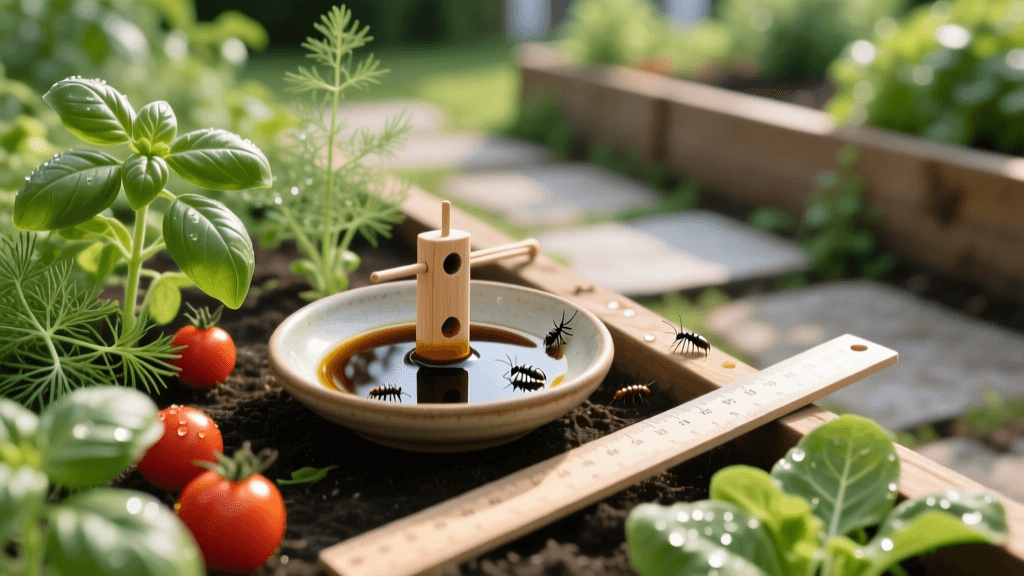
- Prepare the Lid: Take the lid of your plastic container and punch 4 to 6 holes near the center. The holes should be approximately 1/4-inch in diameter—large enough for an earwig to crawl through, but small enough to prevent larger beneficial insects (like ground beetles) or small pets from accessing the liquid.
- Add the Attractant: Fill the bottom third of the container with soy sauce (about 1 to 2 tablespoons, depending on container size).
- Add the Oil: Gently pour the vegetable oil over the soy sauce until the container is about two-thirds full. You want a distinct layer of oil floating on top of the soy sauce. The earwigs will smell the soy sauce through the oil, crawl in, and become trapped in the lipid layer.
- Secure the Lid: Snap the lid tightly onto the container to prevent evaporation and keep rainwater or excess sprinkler overspray from diluting the trap.
Strategic Placement: Targeting Your Sprinkler and Drip Zones
The success of the soy sauce and oil trap relies entirely on placement. Randomly scattering traps across a dry lawn will yield poor results. You must target the microclimates created by your irrigation system. According to University of California Agriculture and Natural Resources (UC ANR), targeting pest habitats directly is a cornerstone of effective IPM. Earwigs hide during the day in damp, dark crevices and emerge at night to feed. By placing traps near their daytime harborage sites, you intercept them before they can damage your plants.
| Irrigation Feature | Earwig Risk Level | Trap Placement Strategy |
|---|---|---|
| Valve Boxes | High | Bury the trap flush with the soil inside or immediately adjacent to the valve box. The constant minor weeping of valves keeps this area perpetually damp. |
| Drip Emitters | Medium-High | Place traps 6 to 12 inches away from the primary wetting zone of the drip emitter. Bury them halfway into the soil and cover lightly with mulch. |
| Rotor Sprinkler Heads | Low-Medium | Place traps in low-lying areas where sprinkler runoff naturally collects and takes longer to dry out. |
| Backflow Preventers | High | The base of above-ground backflow preventers is often shaded and damp from condensation and minor leaks. Bury a trap directly at the base. |
| Smart Controller Zones | Variable | Monitor areas where soil moisture sensors are buried; these zones may receive more frequent, localized watering to maintain specific moisture thresholds. |
Proper Burial Technique
Earwigs are ground-dwelling insects that prefer to travel along the soil surface or just beneath the mulch layer. To maximize interception, dig a small hole and bury the trap so that the lid is completely flush with the surrounding soil or mulch line. This ensures the earwigs do not have to climb over a physical barrier to enter the holes. Camouflage the lid with a light dusting of dirt or a single leaf to make it feel like a natural crevice.
Optimizing Your 2026 Irrigation Schedule to Deter Earwigs
While traps are excellent for reducing existing populations, modifying your irrigation practices is essential for long-term prevention. In 2026, water conservation mandates and advanced smart home technology make it easier than ever to water efficiently without creating pest havens. The University of Minnesota Extension emphasizes that deep, infrequent watering is superior to shallow, daily watering for both turf health and pest management.
Shift to Early Morning Watering
If your smart controller (such as a Rachio 4 or Hunter Pro-HC) is currently scheduled to water in the late evening or at night, change it immediately. Nighttime watering leaves the soil surface damp for 10 to 14 hours, perfectly aligning with the earwig's nocturnal feeding cycle. By shifting your irrigation schedule to the early morning (between 4:00 AM and 7:00 AM), the soil surface has the entire day to dry out under the sun. Earwigs are highly susceptible to desiccation and will avoid areas with dry surface soil, seeking shelter deeper underground or in neighboring, poorly managed properties.
Audit and Repair Leaking Components
A single weeping sprinkler head or a cracked drip tubing connector can release gallons of water a day, creating a localized bog. Conduct a monthly irrigation audit in 2026. Run each zone manually and look for low-head drainage (water seeping out of the lowest sprinkler head after the zone shuts off) and misting from damaged nozzles. Replacing a $5 leaking seal can eliminate a major earwig nesting site.
Leverage Soil Moisture Sensors
Overwatering is the primary culprit behind garden pest booms. If you have not yet integrated a wireless soil moisture sensor into your 2026 irrigation setup, consider adding one to your most problematic garden beds. These sensors override the scheduled watering if the soil already holds adequate moisture, preventing the saturated conditions that earwigs require to reproduce successfully.
Monitoring, Maintenance, and Safe Disposal
DIY traps are not a 'set it and forget it' solution. To maintain their effectiveness, you must establish a routine maintenance schedule.
- Weekly Inspection: Check your traps every 5 to 7 days. Use a pair of tweezers or a small stick to fish out dead earwigs and debris that may be clogging the surface oil.
- Refresh the Bait: The volatile aromas of the soy sauce will degrade over time, especially in hot summer weather. Replace the soy sauce and oil mixture every two weeks, or sooner if the trap becomes filled with insects or diluted by heavy rainfall.
- Safe Disposal: Never dump used oil and soy sauce mixtures into storm drains, sinks, or toilets. The oil can cause plumbing blockages and environmental contamination. Instead, seal the used mixture in a plastic bag or empty jar and dispose of it in your regular household trash. Alternatively, you can bury the contents deep in a non-edible compost pile where the oil will slowly break down.
Integrating Traps with Broader IPM Strategies
The soy sauce and oil trap is a powerful cultural control method, but it works best when combined with biological controls. For severe infestations originating from irrigated turf, consider applying beneficial nematodes (Steinernema carpocapsae) to your lawn. These microscopic worms actively hunt and kill earwig nymphs in the soil. Because nematodes require moist soil to survive and move, applying them immediately after a scheduled irrigation cycle ensures they penetrate the thatch layer effectively. By combining morning watering schedules, targeted DIY traps near irrigation infrastructure, and biological soil treatments, you can achieve complete, chemical-free earwig control in your 2026 garden.