Pest Control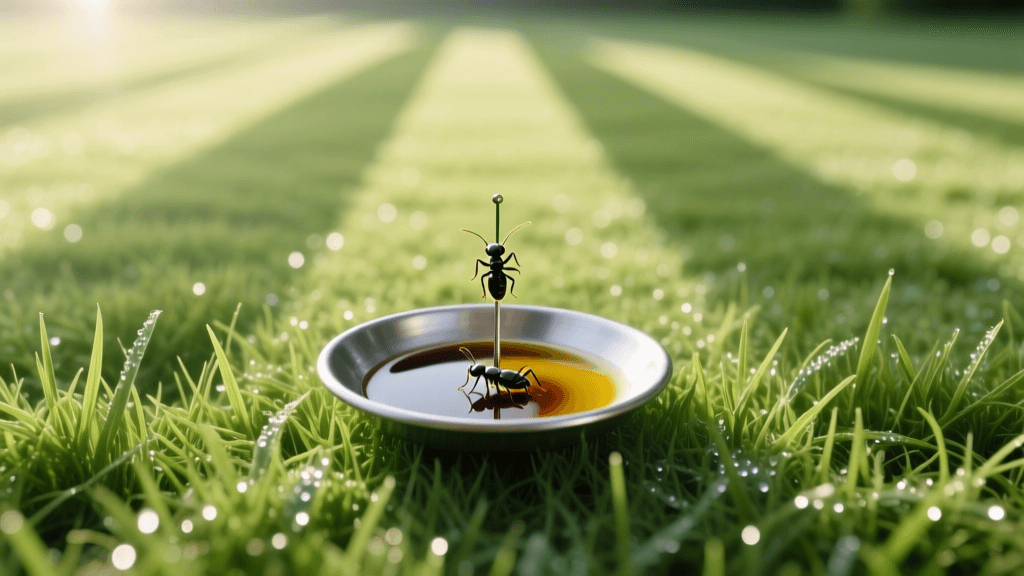
DIY Soy Sauce & Oil Earwig Traps For Lawn Stripes 2026
The Intersection of Lawn Striping and Pest Management
In 2026, the pursuit of the perfect lawn has evolved from simple maintenance to high-end aesthetic artistry. Lawn striping—the practice of bending grass blades in alternating directions to create striking checkerboards, diamonds, and waves—relies entirely on the health and structural integrity of the turf canopy. The visual contrast of a striped lawn is achieved through light refraction: the waxy cuticle on the top of the grass blade reflects sunlight (creating light stripes), while the underside absorbs it (creating dark stripes). However, this delicate optical illusion is easily shattered by turf-damaging pests. Among the most insidious of these is the European earwig (Forficula auricularia), a nocturnal insect that can silently ruin your meticulously crafted aesthetic patterns.
While many homeowners focus on soil pH and precise mowing heights, integrated pest management (IPM) is the unsung hero of lawn aesthetics. According to the EPA's IPM Principles, managing pests through targeted, environmentally sensitive approaches is critical for maintaining long-term turf health without relying on broad-spectrum chemicals that can damage the grass blade's waxy cuticle. When the cuticle is compromised by chemical burn or pest chewing, light scatters unpredictably, resulting in muddy, faded, or entirely invisible lawn stripes.
Why Earwigs Ruin Aesthetic Turf Patterns
Earwigs are primarily nocturnal and spend their days hiding in the thatch layer, damp soil crevices, and landscape mulch bordering your turf. At night, they emerge to forage. While they are known to eat decaying matter and other insects, earwigs also chew on the tender young shoots, crowns, and margins of grass blades. As noted by Penn State Extension, high populations of earwigs can cause significant mechanical damage to the foliage of various plants and turfgrasses.
For a lawn enthusiast dedicated to striping, this mechanical damage is catastrophic. When an earwig chews along the margin of a Kentucky Bluegrass or Perennial Ryegrass blade, it creates a frayed, jagged edge. Instead of acting like a smooth mirror that reflects light uniformly down the length of the stripe, the frayed edge scatters light in multiple directions. This scattering creates a hazy, dull appearance that destroys the crisp, high-contrast lines required for premium lawn patterns. Furthermore, earwig feeding on the grass crown can cause localized brown patches, creating jarring visual interruptions in an otherwise seamless geometric design.
The Science Behind the DIY Soy Sauce and Oil Trap
To protect your lawn's aesthetic integrity without resorting to harsh synthetic pesticides that might cause phytotoxicity (chemical yellowing), the DIY soy sauce and vegetable oil trap has emerged in 2026 as a premier organic solution. This method leverages the earwig's biological foraging instincts against them, utilizing common household pantry items to create a highly effective, localized elimination system.
The attractant in this trap is soy sauce. Soy sauce is rich in volatile organic compounds produced during the fermentation of soybeans and wheat. These compounds mimic the scent of decaying organic matter, fungi, and damp earth—the exact environments and food sources earwigs naturally seek out. The high sodium and umami profile acts as an irresistible olfactory beacon in the cool, damp evening air. Once the earwig is lured to the source, the vegetable oil serves as the mechanical killing agent. Unlike water, which earwigs can easily swim out of or float upon, vegetable oil has a high viscosity and low surface tension. When an earwig steps into the oil, it immediately coats their exoskeleton and spiracles (breathing pores), leading to rapid suffocation and trapping them permanently.
Why This Method Works for High-End Lawns
Commercial chemical sprays, such as those containing carbaryl or bifenthrin, can leave residual films on the grass blades. This film alters the refractive index of the leaf surface, dulling the natural shine needed for sharp striping. Furthermore, chemical treatments can disrupt the soil microbiome, leading to shallow root systems and a weak canopy that bends poorly under a lawn roller. The soy sauce and oil trap is entirely subterranean and localized, meaning zero chemical residue is left on the grass blades, preserving the pristine optical qualities of your turf.
Step-by-Step Guide: Building Your 2026 Earwig Trap
Creating this trap is cost-effective and requires minimal preparation. For a standard 5,000-square-foot striped lawn, you will need approximately 10 to 15 traps to establish an effective perimeter and interior grid.
Materials and Measurements
- Containers: Shallow, rigid containers such as empty tuna cans, small yogurt cups, or specialized plastic catch-cups (approx. 3 inches in diameter and 1.5 inches deep).
- Attractant: Regular, fermented soy sauce. (Do not use low-sodium or artificially flavored alternatives, as the fermentation volatiles are required for maximum attraction).
- Trapping Agent: Cheap vegetable oil, canola oil, or soybean oil. Avoid olive oil, as its strong scent can mask the soy sauce.
- Tools: A small trowel or bulb planter, and a measuring spoon.
Assembly Instructions
- Mix the Solution: In a separate pouring jug, combine equal parts soy sauce and vegetable oil (e.g., 1/4 cup of each). Stir gently. The oil will float to the top, creating a thick, impenetrable barrier over the aromatic soy sauce base.
- Fill the Traps: Pour the mixture into your shallow containers until they are about three-quarters full. Leaving space at the top prevents the oil from spilling over into the surrounding soil when bumped.
- Excavate the Holes: Using your trowel, dig small holes in the soil. The depth of the hole is critical: the rim of the container must sit exactly flush with the soil surface. If the rim is too high, it will block the earwigs from entering. If it is too low, soil and thatch will bury the trap.
- Deploy and Camouflage: Place the filled containers into the holes. Gently pack the soil around the outside edges. You can place a small, flat stone or a piece of bark over one edge of the can to provide a dark shelter, which encourages earwigs to investigate, but ensure it does not cover the opening.
Strategic Placement for Striped Lawns
When managing a lawn dedicated to aesthetic patterns, trap placement requires careful consideration to avoid interfering with your mowing and striping routine. If a trap is placed haphazardly, a heavy lawn roller or striping kit attached to your mower could crush the can, spilling vegetable oil onto the turf. Oil spills on grass will block stomata and cause localized necrosis (dead brown spots), instantly ruining your stripe.
Perimeter Defense: The majority of earwigs migrate into the lawn from adjacent garden beds, mulch rings, and retaining walls. Place 70% of your traps along the perimeter of the lawn, spaced 10 to 15 feet apart, burying them just inside the turf edge where the grass meets the hardscape or mulch.
Interior Grid: For the remaining 30% of traps, place them in the interior of the lawn. To avoid mower interference, align these traps precisely along your primary mowing lines or in the unstriped border areas near sprinkler heads. Mark their locations with a small, discreet landscaping pin so you can avoid them when executing tight turns with your zero-turn mower or when dragging a heavy lawn striper.
Comparison: DIY Trap vs. Commercial Chemical Options
Choosing the right pest control method is vital for preserving the visual quality of your turf. Below is a comparison of common earwig control methods evaluated through the lens of lawn aesthetics and striping safety in 2026.
| Control Method | Stripe Safety & Canopy Impact | Efficacy Against Earwigs | Cost per 5,000 sq ft | Eco-Toxicity |
|---|---|---|---|---|
| DIY Soy Sauce & Oil Trap | Excellent (Zero residue, no cuticle damage) | High (Localized population crash) | $5 - $10 | Very Low |
| Spinosad Bait Granules | Good (Must be watered in, minor thatch disruption) | Very High | $25 - $35 | Low (Toxic to bees if applied to blooming weeds) |
| Bifenthrin Liquid Spray | Poor (Can cause tip burn, leaves dulling film on blades) | High | $40 - $60 | High (Toxic to aquatic life and beneficial insects) |
| Diatomaceous Earth (DE) | Fair (White powder ruins visual contrast until washed in) | Moderate (Ineffective when damp) | $15 - $20 | Low |
Maintaining the Canopy: Post-Trap Lawn Care
Eliminating the earwig population is only half the battle. To restore the pristine, mirror-like finish required for elite lawn striping, you must address the environment that allowed the earwigs to thrive in the first place. Earwigs require high moisture and thick thatch layers to hide from daytime predators and the sun.
According to the University of Minnesota Extension, managing thatch is essential for overall turf health and pest prevention. A thatch layer exceeding half an inch provides an ideal, humid sanctuary for earwigs. In the spring and early fall of 2026, incorporate core aeration and liquid dethatching agents (containing beneficial microbes like Bacillus subtilis) into your regimen. By breaking down the thatch layer, you remove the earwig's daytime habitat, forcing them into the open where they are more susceptible to natural predators like birds and ground beetles.
Finally, ensure your mowing practices support canopy recovery. Keep your mower blades razor-sharp. A dull blade tears the grass, creating the exact type of frayed, jagged edges that earwigs leave behind, which will continue to scatter light and ruin your stripes even after the pests are gone. By combining the precision of sharp mowing, aggressive thatch management, and the targeted, organic efficacy of the DIY soy sauce and oil trap, you can maintain a flawless, high-contrast striped lawn that remains the envy of the neighborhood throughout the entire 2026 growing season.