Pest Control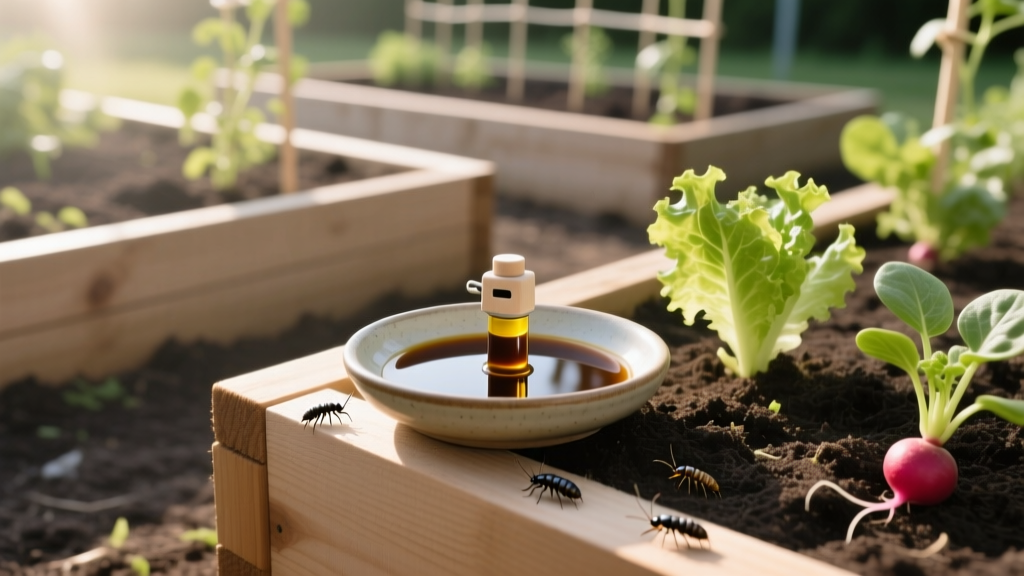
DIY Soy Sauce and Oil Earwig Trap for Raised Beds 2026
James MillerPublished
The Earwig Threat in Raised Bed Vegetable Gardens
As urban and suburban gardening continues to evolve in 2026, raised bed vegetable gardening remains the premier method for maximizing yields in small spaces. However, the unique microclimate that makes raised beds so productive for vegetables also creates an ideal sanctuary for one of the garden's most frustrating nocturnal pests: the European earwig (Forficula auricularia). While earwigs are often misunderstood, they can cause devastating damage to tender vegetable seedlings, clip the silk off developing sweet corn, and scar soft-skinned fruits like strawberries and tomatoes before harvest.
Raised beds, with their timber or composite borders, deep layers of moisture-retaining mulch, and consistent irrigation schedules, provide the perfect daytime hiding spots for earwigs. As the sun sets, these pests emerge from the damp crevices of your bed's retaining walls and march across the soil surface to feed. For organic gardeners and those practicing Integrated Pest Management (IPM), relying on broad-spectrum chemical pesticides is not an option. Fortunately, one of the most effective, low-cost, and non-toxic solutions available in 2026 is the DIY soy sauce and oil earwig trap.
The Science Behind the Soy Sauce and Oil Trap
To effectively manage a pest, you must understand its biology and foraging behavior. According to the University of California Statewide Integrated Pest Management Program, earwigs are opportunistic omnivores that are highly attracted to the scent of decaying organic matter, fermenting plant tissues, and yeast. Soy sauce perfectly mimics these olfactory cues. The complex amino acids, salts, and fermented compounds present in standard soy sauce act as a powerful, long-range attractant that draws earwigs out of their hiding spots and toward the trap.
Once the earwig arrives at the trap, the second component—vegetable oil—takes over. Earwigs are excellent climbers and can easily scale the walls of a shallow container to escape a water-based bait. However, when a layer of oil is added to the surface of the soy sauce mixture, it serves two critical functions. First, it breaks the surface tension. Second, it coats the insect's body and spiracles (breathing pores), quickly immobilizing and drowning the pest while preventing it from climbing back out. This simple two-part mechanism makes the trap incredibly lethal to earwigs while remaining entirely safe for your soil, your vegetables, and your local ecosystem.
Materials You Need for the 2026 Raised Bed Trap
One of the greatest advantages of this method is its alignment with the 2026 trend of circular, upcycled gardening. You likely already have everything you need in your kitchen and recycling bin.
- Containers: Upcycled shallow containers such as empty tuna cans, cat food tins, or plastic deli containers (about 2 to 3 inches deep).
- Attractant: Standard soy sauce (low-sodium versions work, but regular fermented soy sauce has a stronger odor profile).
- Diluent: Tap water.
- Surfactant: Liquid dish soap (to help break the surface tension of the water layer beneath the oil).
- Barrier: Cheap vegetable oil, canola oil, or soybean oil. Do not use expensive cold-pressed or essential oils.
- Tools: A small trowel for digging, and a measuring spoon.
Step-by-Step Assembly Instructions
Creating the trap takes less than five minutes per unit. Follow these precise measurements to ensure the trap functions correctly without overflowing during heavy rains or irrigation.
- Prepare the Container: Wash out your upcycled tuna can or deli container thoroughly to remove any lingering fish or strong spice odors that might compete with the soy sauce.
- Mix the Bait: Add 2 tablespoons of soy sauce and 2 tablespoons of water to the container. This 1:1 ratio provides enough volume to last several days without evaporating completely in the summer heat.
- Add the Surfactant: Add exactly one drop of liquid dish soap to the mixture and stir gently. This ensures that if an earwig bypasses the oil layer, it will still sink in the water layer below.
- Apply the Oil Barrier: Carefully pour your vegetable oil over the surface of the soy sauce mixture until you have a continuous floating layer about 1/4-inch thick. The oil will naturally float on top of the water-based soy sauce, creating an inescapable seal.
Strategic Placement in the Raised Bed Garden
Where you place the trap is just as important as how you build it. The University of Minnesota Extension notes that earwigs prefer to travel along edges and physical barriers rather than crossing open, exposed soil. Therefore, your traps should be positioned strategically along the perimeters of your raised beds.
Use your trowel to dig a shallow hole near the interior corners of your raised bed, or directly against the wooden or composite retaining walls where you notice the most moisture accumulation. Place the container in the hole so that the rim of the trap is perfectly flush with the soil surface. If the rim is too high, earwigs will simply walk around it. If it is buried too deep, soil and mulch will fall in and ruin the bait. Space your traps approximately 10 to 15 feet apart along the perimeter of large raised beds, or place one in each corner of standard 4x8 foot beds.
Comparing Earwig Control Methods for Raised Beds
While the soy sauce and oil trap is highly effective, it is helpful to understand how it compares to other common IPM strategies used by raised bed gardeners in 2026.
| Control Method | Cost per Unit | Toxicity | Effectiveness in Raised Beds | Maintenance Level |
|---|---|---|---|---|
| DIY Soy Sauce & Oil Trap | < $0.10 | Non-toxic | High (Excellent edge control) | Medium (Empty and refill weekly) |
| Commercial Spinosad Bait | $0.50 - $1.00 | Low (OMRI Listed) | High (Broad area coverage) | Low (Reapply after heavy rain) |
| Diatomaceous Earth (DE) | $0.20 / sq ft | Non-toxic | Moderate (Fails when wet) | High (Must reapply constantly) |
| Rolled Newspaper Traps | < $0.05 | Non-toxic | Moderate (Manual disposal) | High (Must collect daily at dawn) |
Troubleshooting Common Trap Issues
Even the best DIY methods require occasional tweaking based on your specific garden environment. If you find that your traps are not catching earwigs, consider the following troubleshooting steps:
- The trap is empty, but earwigs are still eating my plants: Check the placement. Earwigs are thigmotactic, meaning they like to feel tight spaces against their bodies. Move the trap directly into the crevice between the soil and the raised bed timber, or nestle it tightly under the broad leaves of a squash plant where earwigs hide during the day.
- The trap keeps filling with rainwater or irrigation runoff: If your raised bed is heavily irrigated via overhead sprinklers, the oil layer may overflow. Switch to drip irrigation at the base of your plants, or fashion a small "roof" over the trap using a flat stone propped up on two smaller pebbles, ensuring the entry gap remains at soil level.
- Beneficial insects are getting caught: While earwigs are the primary target, ground beetles (which are beneficial predators) may occasionally fall in. To minimize this, use containers with a narrower opening, such as upcycled spice jars with the lids removed, rather than wide tuna cans.
Integrating the Trap into a Broader IPM Strategy
Trapping is a reactive measure that reduces existing populations, but true Integrated Pest Management requires proactive cultural controls to make your raised beds less inviting to earwigs in the first place. Earwigs thrive in damp, dark environments. By altering the microclimate of your raised bed, you can drastically reduce the need for traps as the 2026 season progresses.
First, adjust your watering schedule. Always water your raised beds deeply in the early morning rather than in the evening. This allows the top inch of the soil and the surface of your mulch to dry out before nightfall, making the environment far less hospitable for nocturnal foraging. Second, evaluate your mulch. While thick layers of straw or shredded leaves are excellent for retaining moisture and suppressing weeds, they also harbor earwigs. Pull mulch back at least two inches from the base of tender vegetable seedlings and soft-stemmed plants like peppers and tomatoes.
Finally, encourage natural predators. Tachinid flies, certain parasitic wasps, and insectivorous birds like chickadees and wrens are natural enemies of the earwig. By planting a diverse border of flowering herbs like dill, cilantro, and yarrow around your raised beds, you provide nectar and pollen to sustain these beneficial insects, creating a balanced ecosystem where earwig populations are naturally kept in check. Combine these cultural practices with your DIY soy sauce and oil traps, and your raised bed vegetable garden will remain protected, productive, and entirely organic throughout the growing season.