Pest Control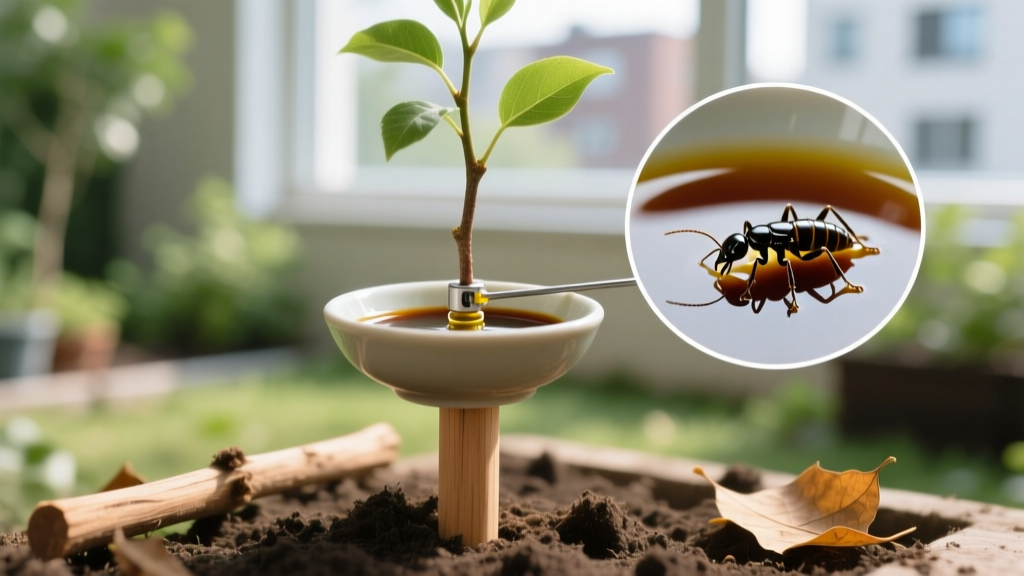
2026 DIY Earwig Trap for Trees: Soy Sauce and Oil Method
James MillerPublished
Protecting Your 2026 Tree Plantings from Earwig Damage
Planting a new tree in your landscape is a long-term investment that requires careful selection, proper siting, and vigilant aftercare. As we navigate the 2026 planting season, arborists and home gardeners alike are increasingly prioritizing Integrated Pest Management (IPM) strategies to protect vulnerable young saplings. While much attention is paid to soil amendments and watering schedules, a hidden threat often lurks in the freshly turned earth: the European earwig (Forficula auricularia).
Earwigs are notorious for thriving in the exact conditions that newly planted trees require to establish their root systems—namely, consistently moist soil and abundant organic mulch. While they are often dismissed as mere nuisance pests, earwigs can cause significant, sometimes irreversible damage to the tender new growth, soft bark, and emerging leaf buds of young trees. Fortunately, you do not need to resort to harsh, broad-spectrum chemical pesticides that can disrupt the delicate soil microbiome your new tree needs. Instead, a highly effective, organic, and inexpensive solution exists: the DIY soy sauce and oil earwig trap.
Why Earwigs Target Newly Planted Trees
When you plant a tree, you inevitably create an ideal microhabitat for earwigs. The frequent watering required to keep the root ball moist, combined with the application of wood chip or bark mulch to retain moisture, provides the perfect daytime refuge for these nocturnal insects. According to the Penn State Extension, earwigs are primarily scavengers that feed on decaying organic matter, but they readily switch to living plant tissue when their populations surge or when tender, easily chewed foliage is available.
Young trees are particularly susceptible because their bark has not yet developed the thick, corky protective layers found on mature specimens. Earwigs will climb the trunks of newly planted fruit trees (such as apple, peach, and cherry), citrus, and ornamentals like Japanese maples under the cover of darkness. They chew irregular holes in emerging leaves, skeletonize foliage, and can even girdle the soft, green terminal shoots. This stunts the tree's crucial first-year structural growth and can leave open wounds that invite secondary fungal or bacterial infections.
Identifying Earwig Damage vs. Other Pests
Before deploying traps, it is vital to confirm that earwigs are the culprits. Earwig damage is often confused with slug or caterpillar feeding. Look for these distinct signs:
- Irregular Chewing: Earwigs leave jagged, irregular holes in leaves and often target the newest, softest growth at the tips of branches.
- Absence of Slime: Unlike slugs and snails, earwigs do not leave behind silvery slime trails on the bark or leaves.
- No Frass: Caterpillars leave behind distinct droppings (frass); earwigs do not.
- Nocturnal Activity: If you inspect the tree at night with a flashlight, you will likely spot the earwigs actively feeding on the trunk or lower branches.
The Science Behind the Soy Sauce and Oil Trap
In 2026, modern IPM protocols heavily emphasize targeted, low-toxicity interventions that preserve beneficial soil organisms. Chemical insecticides applied to the soil around a new tree can harm the mycorrhizal fungi and beneficial nematodes that form symbiotic relationships with the tree's roots, aiding in nutrient and water uptake. The DIY soy sauce and oil trap circumvents this issue entirely by acting as a localized, above-ground interception device.
The efficacy of this trap relies on two simple biological and physical principles:
- The Lure (Soy Sauce): Earwigs are highly attracted to the volatile organic compounds produced during fermentation. Soy sauce, which is brewed from fermented soybeans and wheat, emits a strong, yeasty, and slightly salty odor that mimics the scent of decaying organic matter and ripening fruit. This olfactory signal draws foraging earwigs from several feet away.
- The Trap (Oil): Once the earwig climbs into the container to investigate the scent, it encounters a layer of oil. Vegetable oil, canola oil, or even inexpensive fish oil creates a high-viscosity surface. The oil coats the insect's exoskeleton and blocks its spiracles (breathing pores), leading to rapid suffocation. Furthermore, the slippery nature of the oil prevents the earwig from climbing back out of the container.
Step-by-Step Guide: Building and Placing Your Traps
Creating these traps is incredibly simple and utilizes common household items. For a standard newly planted tree, you will want to deploy 4 to 6 traps around the perimeter of the planting zone.
Materials Needed
- 4 to 6 small, shallow containers (recycled tuna cans, cat food tins, or small plastic deli cups work perfectly).
- Low-sodium soy sauce (regular soy sauce works, but low-sodium is preferred to minimize soil salinity in the event of a spill).
- Vegetable oil, canola oil, or cheap fish oil.
- A small hand trowel.
Preparation and Mixing
Fill each container approximately halfway with the soy sauce. Then, carefully pour the oil on top until the container is nearly full, leaving about a quarter-inch of space at the rim to prevent overflow during rain or watering. The oil will naturally float to the top, creating the trapping layer, while the soy sauce remains beneath it, continuously releasing its attractive scent.
Strategic Placement Around the Tree
Proper placement is critical not only for catching earwigs but also for maintaining the health of your newly planted tree. Never place the traps directly against the tree trunk. Piling moisture or foreign substances against the root flare can lead to trunk girdling, root rot, and bark decay.
Instead, use your trowel to dig shallow depressions near the outer edge of the planting hole, just inside or slightly outside the mulch ring. Bury the containers so that their rims are perfectly flush with the soil surface. This allows ground-foraging earwigs to easily stumble into the trap as they move toward the tree trunk. Space the traps evenly in a circle around the tree to create a comprehensive interception perimeter.
Comparing Earwig Control Methods for Young Trees
While the soy sauce and oil trap is an excellent frontline defense, it is helpful to understand how it compares to other common earwig management strategies in a 2026 IPM context.
| Control Method | Efficacy | Soil & Tree Safety | Cost | Maintenance Level |
|---|---|---|---|---|
| DIY Soy Sauce & Oil Trap | High (Excellent for localized populations) | Very High (Zero chemical soil disruption) | Very Low (Uses household items) | Moderate (Requires weekly emptying and refreshing) |
| Sticky Tree Bands | Moderate (Only catches climbing insects) | High (Must be removed to prevent bark damage) | Low to Moderate | Low (Replace when full of debris) |
| Spinosad Baits | Very High (Broad area control) | Moderate (Organic, but can harm non-target soil fauna) | Moderate | Low (Reapply after heavy rain) |
| Broad-Spectrum Sprays | High (Immediate knockdown) | Low (Harms beneficial microbes and pollinators) | Moderate to High | Low (But requires strict safety protocols) |
Complementary Tree Planting IPM Strategies
Trapping is a highly effective reactive measure, but a true IPM approach requires proactive cultural controls to make the environment less hospitable to earwigs from the moment the tree goes into the ground.
1. Proper Mulching Techniques
The most common mistake home gardeners make when planting trees is "volcano mulching"—piling mulch high against the trunk. This retains excessive moisture against the bark and creates a massive, undisturbed earwig hotel. Always practice the "donut" method: apply a 2-to-3-inch layer of organic mulch starting a few inches away from the trunk flare and extending out to the drip line. This keeps the root zone cool and moist while keeping the trunk dry and exposed to air.
2. Smart Watering Schedules
While new trees need consistent moisture, the method of delivery matters. Avoid frequent, light overhead sprinkling, which keeps the soil surface and mulch perpetually wet. Instead, utilize deep-root watering stakes or slow-drip soaker hoses placed at the edge of the root ball. This delivers water directly to the roots where it is needed, allowing the top layer of soil and mulch to dry out slightly between waterings, making it less attractive to moisture-seeking earwigs.
3. Debris and Habitat Management
Earwigs need daytime hiding spots. Keep the area immediately surrounding your newly planted tree free of excessive leaf litter, fallen branches, and flat stones or bricks where earwigs might congregate during the heat of the day. The University of California Integrated Pest Management program emphasizes that habitat modification is one of the most sustainable long-term strategies for reducing earwig pressure in residential landscapes.
Monitoring and Maintenance
To ensure your DIY traps remain effective throughout the tree's critical first growing season, establish a weekly maintenance routine. Check the traps every 5 to 7 days. Use a small slotted spoon or a disposable stick to scoop out the trapped earwigs and debris. If the oil layer has become too saturated with insects or dirt, or if rainwater has diluted the soy sauce, discard the contents in your regular trash (do not dump large amounts of salt or oil directly into your garden beds). Rinse the container, refill it with fresh soy sauce and oil, and reset it in the ground.
Conclusion
Selecting the right tree and planting it correctly are the foundational steps to a thriving landscape, but protecting that investment from early-stage pest pressure is what ensures long-term success. As climate patterns continue to shift in 2026, bringing unpredictable moisture levels to many regions, earwig populations will remain a persistent challenge for newly planted trees. By utilizing the DIY soy sauce and oil trap, you are deploying a scientifically sound, budget-friendly, and ecologically responsible tool. This simple method intercepts pests before they can damage tender bark and buds, all while preserving the vital soil biology your new tree needs to grow strong, deep roots for decades to come.