Pest Control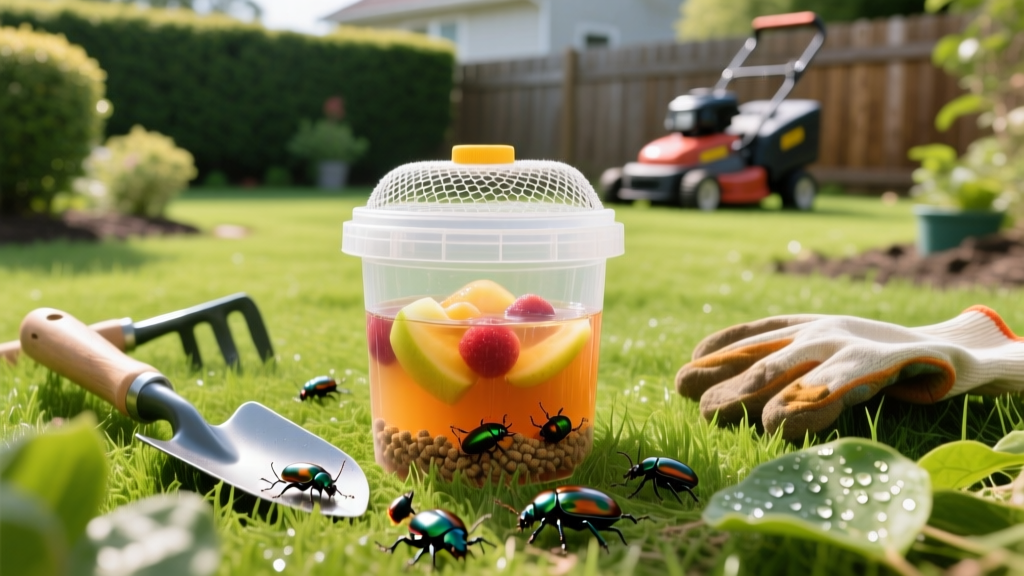
Diy Traps For Japanese Beetles Using Fermentation Bait
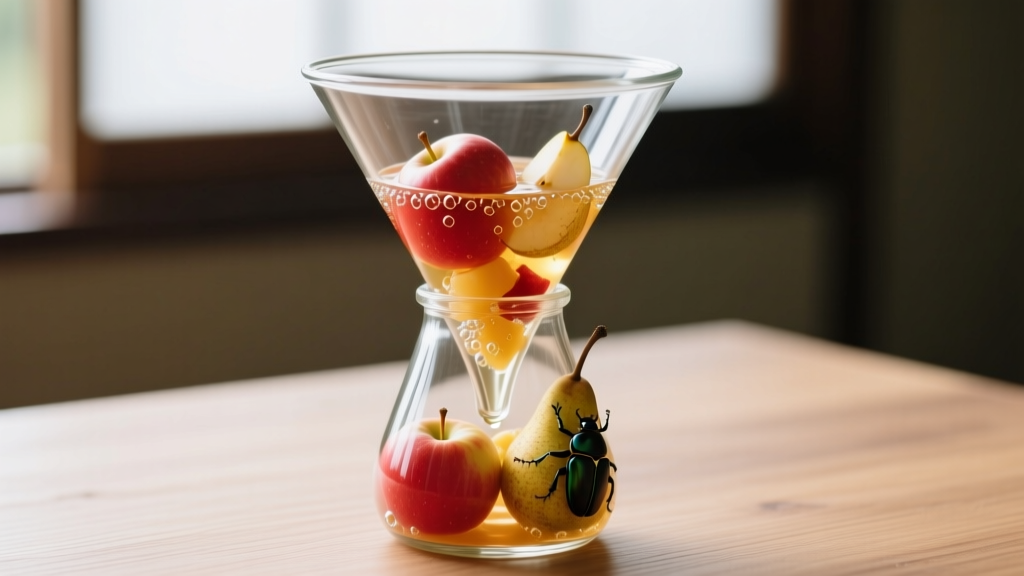
Home gardeners and organic lawn care enthusiasts seeking chemical-free pest control will find this guide essential. The most effective Japanese beetle traps homemade rely on a simple fermentation bait. To build one, cut the top off a 2-liter plastic bottle, invert it into the base, and fill it with a mixture of active dry yeast, granulated sugar, and mashed overripe fruit. This fermented liquid emits volatile organic compounds that mimic the scent of ripe fruit, drawing Popillia japonica away from your landscape.
Key Takeaways:
- Use a 2-liter plastic bottle and a yeast-sugar-fruit fermentation bait for optimal results.
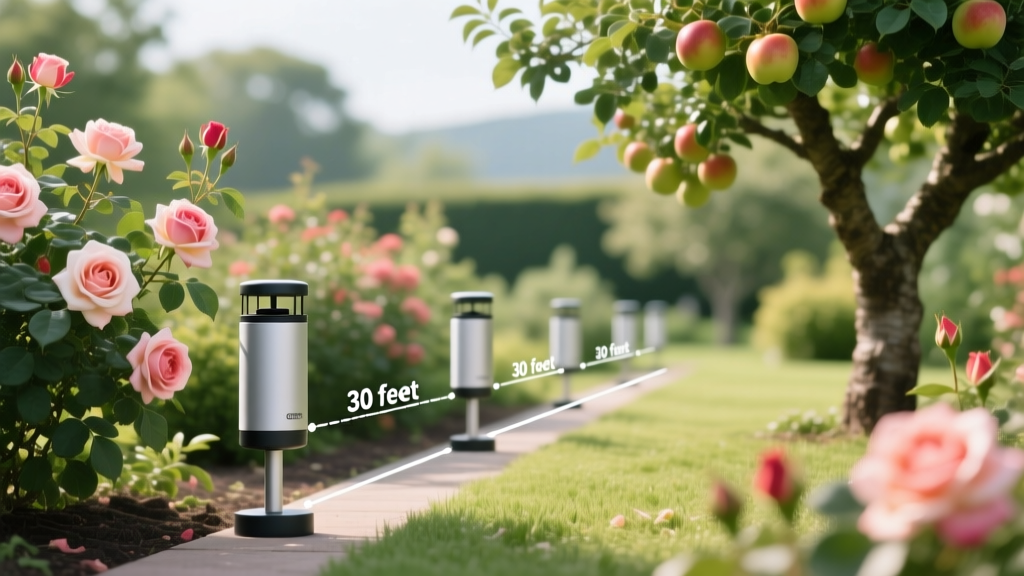
- Place traps at least 30 feet away from prized plants to avoid drawing beetles toward your garden.
- Empty and refresh the bait every 3 to 4 days to maintain maximum efficacy.
Table of Contents
- How to Make a Homemade Japanese Beetle Trap
- The Science Behind Fermentation Bait
- Strategic Trap Placement
- DIY vs. Commercial Traps
- Frequently Asked Questions
- Next Steps
How to Make a Homemade Japanese Beetle Trap with Fermentation Bait
Materials and Ingredients Checklist
Gather the following items before starting your assembly. All materials are readily available at local grocery or hardware stores.
- 1 empty 2-liter plastic soda bottle
- 1 packet (7 grams) active dry yeast
- 1 cup (200 grams) granulated sugar
- 1 cup (240 milliliters) warm water (around 105°F)
- 1 mashed overripe banana or peach
- Utility knife or heavy-duty scissors
- Wire or twine for hanging
Step-by-Step Assembly Instructions
Cut the top third off the plastic bottle using your utility knife. Invert the top piece and place it inside the bottom half to create a narrow funnel. Dissolve the 200 grams of sugar in the warm water, then stir in the active dry yeast. Add the mashed fruit to the bottle and pour the yeast mixture over it. Secure the funnel edges with tape and hang the trap using wire.
The Science Behind Fermentation Bait
Fermentation bait is a liquid mixture containing yeast and sugars that undergoes anaerobic respiration. This biological process produces ethanol and carbon dioxide, releasing volatile esters and alcohols. These specific chemical signatures strongly attract adult Popillia japonica seeking overripe fruit sources for feeding and mating.
According to the Penn State Extension, yeast-based fermenting traps outperform simple sugar water because the ethanol mimics natural fruit decay. The yeast consumes the sugar, sustaining the lure for up to 72 hours before the alcohol concentration becomes toxic to the yeast itself. This biological clock dictates your maintenance schedule.
Strategic Trap Placement (Crucial for Success)
Popillia japonica, commonly known as the Japanese beetle, is an invasive scarab beetle native to Japan. Adult beetles emerge in early summer, skeletonizing the leaves of over 300 plant species, including roses, grapes, and linden trees, while their grubs destroy turfgrass root systems.
Placement dictates whether your trap protects or destroys your garden. The United States Department of Agriculture (USDA) warns that traps attract beetles from a wide radius. If you hang a trap directly on a rose bush, you will pull more beetles to that specific plant than the trap can physically catch.
Hang your homemade traps at least 30 feet away from your most vulnerable plants. Position them along the property line or near non-host plants like pine trees. Suspend the bottle exactly 3 feet above the ground, which aligns with the typical flight path of foraging adults.
DIY vs. Commercial Japanese Beetle Traps
Understanding the differences between homemade and store-bought options helps you allocate your pest control budget effectively.
| Feature | Homemade Fermentation Trap | Commercial Pheromone Trap |
|---|---|---|
| Initial Cost | Under $5 per unit | $15 to $30 per unit |
| Bait Type | Yeast, sugar, and fruit | Synthetic floral and sex pheromones |
| Attraction Radius | Short to medium range | Long range (can attract neighborhood beetles) |
| Maintenance | Refresh every 3 to 4 days | Replace lures every 2 to 3 weeks |
Frequently Asked Questions
What is the best homemade bait for Japanese beetles?
The most reliable homemade bait combines active dry yeast, granulated sugar, warm water, and mashed overripe fruit. This specific combination triggers a fermentation process that releases ethanol and fruity esters. These volatile compounds closely mimic the scent of decaying fruit, which is highly attractive to foraging adult beetles.
Where should I place a Japanese beetle trap?
You must place traps at least 30 feet away from the plants you are trying to protect. Hanging a trap directly on or near a prized rose bush will draw more beetles into the immediate area than the trap can capture. Always position traps downwind from your garden and near non-host plants.
Do homemade Japanese beetle traps actually work?
Yes, homemade fermentation traps effectively capture local beetle populations when placed correctly. The Rutgers University Cooperative Extension notes that while traps do not eradicate the entire population, they significantly reduce localized feeding damage. They work best when used as part of a broader integrated pest management strategy.
Final Thoughts and Next Steps
Building a DIY fermentation trap provides an immediate, chemical-free method to reduce local beetle populations without harming beneficial pollinators. Your next step is to gather a 2-liter bottle and active dry yeast today, assemble the trap, and hang it 30 feet away from your prized roses before the adults emerge in early summer.