Pest Control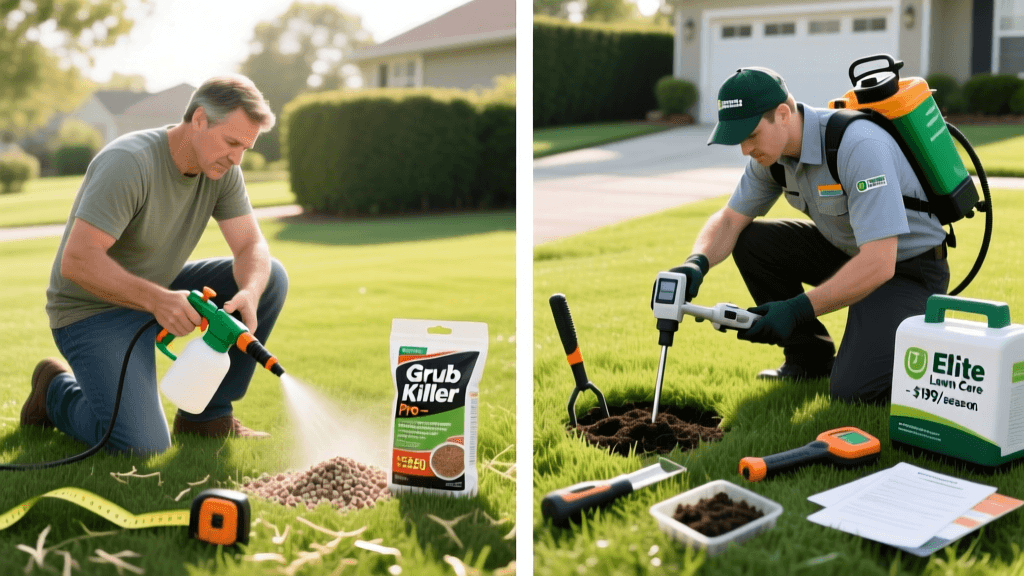
Grub Control Cost Guide: DIY vs Professional Pricing
The Financial Threat of White Grubs in Your Lawn
White grubs are the destructive, C-shaped larvae of various beetle species, including Japanese beetles, June bugs, and European chafers. While a few grubs in your soil are a normal part of the ecosystem, a severe infestation can sever the root system of your turfgrass, leading to massive brown patches, spongy soil, and secondary damage from foraging wildlife like skunks and raccoons. When evaluating lawn care budgets, homeowners must weigh the upfront costs of pest management against the devastating financial impact of lawn destruction.
According to the University of Minnesota Extension, grubs feed aggressively on grassroots during late summer and early fall, and again in the spring. If left unchecked, the cost to repair a grub-damaged lawn through aeration, overseeding, or complete sod replacement can easily exceed a thousand dollars for an average-sized yard. This comprehensive cost guide breaks down the pricing of DIY versus professional grub control, helping you make an informed, budget-friendly decision for your lawn care regimen.
Understanding Grub Life Cycles and Treatment Timing
To understand pricing, you must first understand treatment timing. Grub control products are divided into two main categories: preventatives and curatives. Preventative treatments are generally less expensive and are applied in early summer to kill young grubs as they hatch. Curative treatments are fast-acting but more expensive, designed to kill mature grubs that are actively destroying your lawn in late summer or early fall.
When handling any chemical treatments, always follow the Environmental Protection Agency's guidelines for lawn care pesticides to ensure safe application and minimize environmental runoff. Proper timing not only maximizes the efficacy of the product but also ensures you do not waste money applying the wrong chemical at the wrong time of year.
DIY Grub Control Costs: Products and Pricing
Tackling grubs on your own requires purchasing the right active ingredients and having the proper application equipment, such as a broadcast or drop spreader. Below is a breakdown of the most common DIY grub control products and their average costs.
Preventative Chemical Controls
- Imidacloprid: A widely used synthetic preventative. A standard bag covering 5,000 square feet typically costs between $15 and $25.
- Chlorantraniliprole: A newer, highly effective, and bee-safe preventative. Products containing this active ingredient usually cost $20 to $35 for a 5,000 square foot coverage area.
Curative Chemical Controls
- Trichlorfon (Dylox): A fast-acting curative that kills mature grubs within 24 to 48 hours. Because it requires higher concentrations and degrades quickly in the soil, it is more expensive, costing $30 to $50 for 5,000 square feet.
Organic and Biological Controls
- Beneficial Nematodes: Microscopic worms that hunt and kill grubs. Beneficial nematodes, specifically the Heterorhabditis bacteriophora strain, are an excellent organic curative option. However, they are living organisms that require careful handling. They must be shipped via expedited delivery, stored in a refrigerator, and applied during the early evening when the soil is moist and UV radiation is low. A package treating 10,000 square feet costs $30 to $60.
- Milky Spore Disease: A long-term biological control specifically targeting Japanese beetle grubs. It is a significant upfront investment, costing $40 to $70 for 4,000 square feet, but it can remain effective in the soil for up to 15 years.
DIY Equipment and Calibration Costs
If you are new to lawn care, you must factor in the cost of application equipment. A high-quality broadcast spreader, essential for evenly distributing granular grub preventatives, costs between $40 and $80. Hose-end sprayers, used for liquid nematode applications, range from $15 to $25. Furthermore, improper calibration is a common pitfall. Applying too little product will fail to control the grubs, while applying too much is a waste of money and a potential environmental hazard. Taking the time to measure your lawn's exact square footage and calibrate your spreader according to the manufacturer's label is a non-negotiable step for DIY success.
| Treatment Type | Active Ingredient / Method | Avg. Cost per 5,000 sq. ft. | Best Application Time |
|---|---|---|---|
| Preventative | Imidacloprid | $15 - $25 | June - July |
| Preventative | Chlorantraniliprole | $20 - $35 | May - June |
| Curative | Trichlorfon | $30 - $50 | August - October |
| Organic | Beneficial Nematodes | $15 - $30 | Late Summer |
| Organic | Milky Spore | $50 - $85 | Spring or Fall |
Professional Grub Treatment Costs: What to Expect
If you prefer to outsource your pest management, professional lawn care companies offer grub control as either a standalone service or as part of a comprehensive annual fertilization and weed control program.
Standalone Grub Treatments
Hiring a professional for a single, targeted grub treatment typically costs between $75 and $150 per visit, depending on your lawn's square footage and your geographic location. This price includes the commercial-grade product, the labor, and the commercial spraying equipment. Commercial applicators often have access to restricted-use pesticides that are not available to consumers, offering a higher kill rate for severe infestations.
Annual Lawn Care Programs
Most national and regional lawn care companies bundle preventative grub control into their premium 5-step or 7-step annual lawn care programs. These programs generally range from $400 to $800 per year for an average 10,000-square-foot lawn. While this seems like a larger investment, it covers pre-emergent weed control, multiple fertilizer applications, and guaranteed grub prevention, making it highly cost-effective for homeowners who want a hands-off approach.
DIY vs. Professional Grub Control: A Cost-Benefit Analysis
The University of California Integrated Pest Management program emphasizes that monitoring and understanding pest thresholds are critical before applying any treatment. If you dig up a square foot of soil and find fewer than five grubs, treatment is usually unnecessary, saving you money regardless of the method you choose. However, if you exceed the threshold, you must decide between DIY and professional routes.
| Factor | DIY Grub Control | Professional Service |
|---|---|---|
| Upfront Cost | $15 - $60 per application | $75 - $150 per application |
| Time Investment | 2 - 4 hours (purchase, prep, apply, water) | 0 hours (service handled entirely) |
| Equipment Needed | Spreader or hose-end sprayer ($30 - $80) | None (provided by company) |
| Product Strength | Consumer-grade chemicals and organics | Commercial-grade, restricted-use chemicals |
| Guarantee | None (user assumes all risk) | Free re-treatment if grubs persist |
The Hidden Costs of Ignoring a Grub Infestation
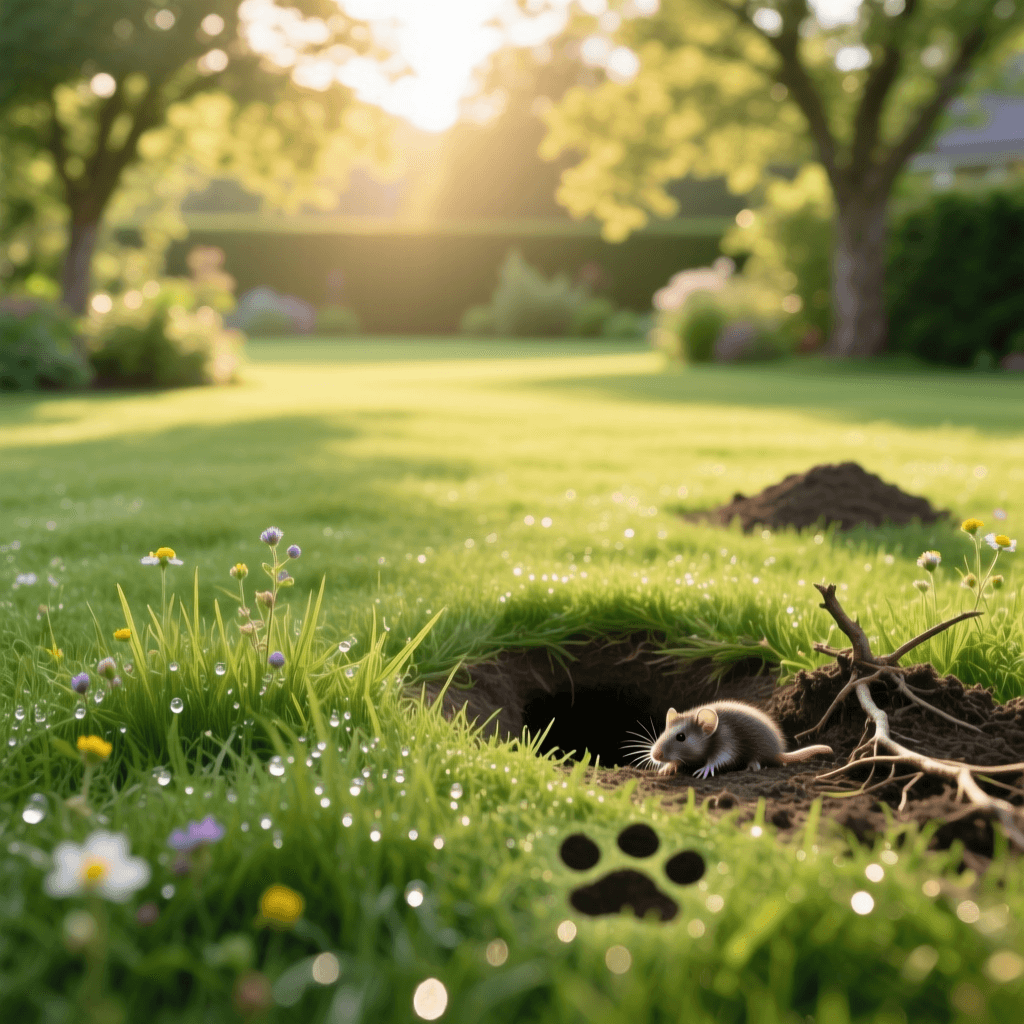
The most expensive mistake a homeowner can make is ignoring a grub problem to save a few dollars on preventative treatments. When grubs sever the roots of your turf, the grass turns brown and dies in large, irregular patches. Furthermore, the spongy, detached turf attracts secondary pests. Skunks, raccoons, and crows will tear up your lawn to feast on the protein-rich grubs, causing thousands of dollars in collateral damage.
If your lawn is destroyed, the remediation costs are staggering:
- Sod Replacement: Removing dead turf, tilling the soil, and laying new sod costs between $1.00 and $2.50 per square foot. For a 5,000-square-foot lawn, this equates to $5,000 to $12,500.
- Core Aeration and Overseeding: If the damage is patchy but recoverable, professional aeration and overseeding will cost $150 to $300.
- Wildlife Deterrents: Repairing torn-up soil and applying animal repellents adds another $50 to $150 to your recovery budget.
Pro Tip: Always water your lawn immediately after applying a granular grub preventative. The chemical must be washed off the grass blades and into the soil where the grubs are feeding. Failing to water in the product is the number one reason DIY treatments fail, resulting in wasted money and dead grass.
Final Verdict: Which Route Saves You More Money?
For the budget-conscious homeowner who is willing to invest a Saturday morning in lawn care, DIY preventative treatment using Chlorantraniliprole or Imidacloprid is the most cost-effective route. Spending $25 in June can protect your lawn for the entire season, offering an incredible return on investment.
However, if your lawn is already showing signs of severe damage, or if you lack the time and equipment to properly calibrate a spreader and water the product in, hiring a professional for a curative treatment is the smarter financial move. The $100 to $150 service fee is a fraction of the cost of replacing dead sod, and the company's guarantee ensures that your investment is fully protected.