Gardening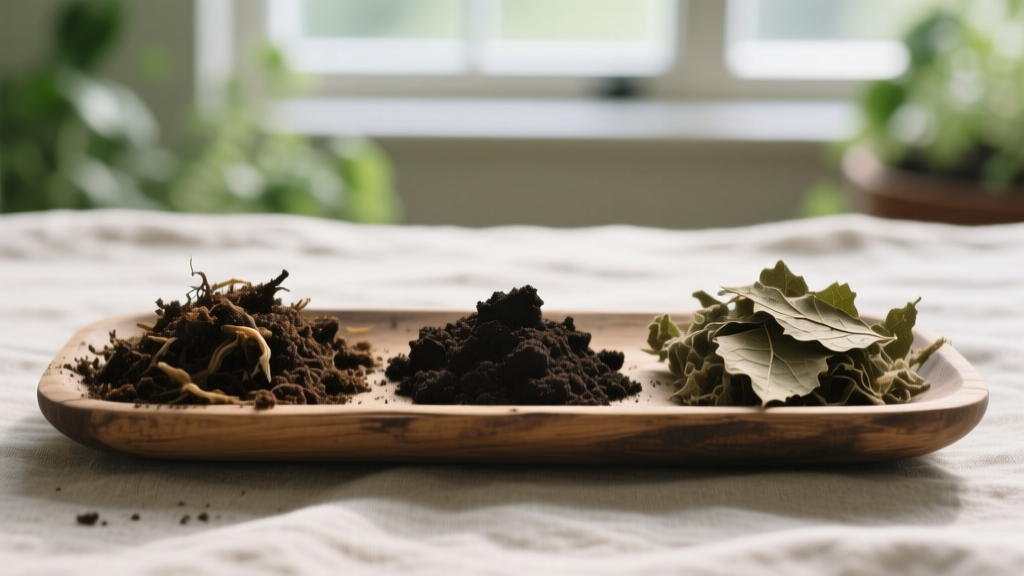
Photographing Soil: Compost vs Manure vs Leaf Mold 2026
Emily WatsonPublished
The Visual Soil Archive: Documenting Amendments in 2026
In the modern gardening era of 2026, cultivating a thriving garden goes beyond simply planting seeds and watering; it involves meticulous documentation and visual analysis. Garden photography has evolved from capturing picturesque blooms to studying the microscopic and macroscopic worlds beneath our feet. One of the most critical aspects of soil health management is understanding your organic amendments. By visually documenting and photographing the big three soil amendments—compost, aged manure, and leaf mold—you can track decomposition rates, monitor fungal network development, and make data-driven decisions for your garden beds.
Whether you are running a gardening blog, maintaining a personal horticultural journal, or contributing to citizen science projects, creating a visual soil archive is an invaluable practice. This guide will explore how to visually compare compost, manure, and leaf mold, the best photographic techniques to capture their unique textures, and how to set up time-lapse documentation for the 2026 growing season.
The Big Three: A Visual and Physical Comparison
Before setting up your camera rig, it is essential to understand what you are looking at through the lens. Each amendment possesses distinct visual characteristics, structural compositions, and biological profiles. According to Cornell University's Soil Health initiative, the physical structure of organic matter directly influences water retention, aeration, and the habitat available for beneficial soil microbes.
| Amendment | Visual Texture & Structure | Color Profile | Macro Photography Focus | Primary Soil Benefit |
|---|---|---|---|---|
| Compost | Crumbly, homogenous, fine particulate | Deep, rich dark brown to black | Aggregate stability, micro-arthropod habitats | Balanced nutrients, overall soil structure |
| Aged Manure | Fibrous, chunky, visible straw/bedding | Light to medium earthy brown | Straw decomposition, bacterial slime trails | High nitrogen, rapid microbial activation |
| Leaf Mold | Flaky, layered, skeletal leaf veins | Golden yellow fading to dark umber | Fungal hyphae (mycelium), spore structures | Unmatched water retention, fungal dominance |
When documenting these materials, your goal is to highlight these differences. Compost should look like dark, rich coffee grounds when perfectly finished. Manure will often reveal its origins through stubborn bits of undecomposed straw or wood shavings. Leaf mold, as noted by the Royal Horticultural Society (RHS), is a fungal-driven process, meaning your macro shots should ideally capture the delicate, white, web-like mycelium threading through the decaying leaf skeletons.
Macro Photography Techniques for Soil Textures
Capturing the intricate details of soil amendments requires specialized gear and precise lighting. In 2026, macro photography technology has become more accessible than ever, allowing gardeners to capture stunning, high-resolution images of the soil food web.
Recommended Gear for 2026
- Camera Bodies: The OM System OM-1 Mark II remains a top choice for outdoor macro work due to its exceptional weather sealing and in-body image stabilization, which is crucial when shooting handheld in the garden. For smartphone users, the iPhone 16 Pro and Samsung Galaxy S25 Ultra feature dedicated macro modes that utilize computational photography to stack focus and enhance soil texture details.
- Lenses: A dedicated 90mm to 105mm macro lens (like the Sony FE 90mm f/2.8 Macro G OSS) provides a 1:1 magnification ratio with enough working distance to avoid casting shadows on your subject. For extreme close-ups of fungal hyphae in leaf mold, consider a Laowa 24mm f/14 Probe Lens, which allows you to peer directly into the crevices of the soil.
- Lighting: Soil is highly textured, meaning harsh, direct sunlight will create deep, distracting shadows. Use a diffused lighting setup. A simple circular LED ring light or a portable softbox paired with a daylight-balanced Godox SL60W will illuminate the crumb structure of compost evenly, revealing its porosity.
Camera Settings for Maximum Depth of Field
When photographing a pile of leaf mold or compost, you want as much of the sample in focus as possible. Set your aperture between f/8 and f/11. This narrows the depth of field just enough to keep the foreground and midground sharp while softly blurring the background. Keep your ISO at 100 or 200 to minimize digital noise, which can easily be mistaken for soil grit or sand particles in post-processing. Always use a sturdy tripod and a remote shutter release to eliminate micro-vibrations.
Time-Lapse Documentation: Watching Soil Transform
One of the most compelling ways to document soil amendments in 2026 is through time-lapse photography. By setting up a controlled observation environment, you can visually record how compost, manure, and leaf mold break down and integrate with native soil over a 6-month period.
Building a DIY Rhizotron Observation Box
A rhizotron is essentially a window into the soil. To build a small-scale version for your garden shed or greenhouse:
- Construct a shallow wooden box (24 inches wide, 12 inches tall, and 6 inches deep) with one side made of clear, thick acrylic.
- Divide the box into three vertical sections using thin metal dividers.
- Fill the first section with native garden soil mixed with finished compost, the second with soil and aged manure, and the third with soil and leaf mold.
- Plant a fast-growing taproot seed, such as a radish or daikon, in each section near the acrylic glass.
- Mount a weather-proof time-lapse camera, such as the Brinno TLC2020 or a GoPro Hero 13 Black in a waterproof housing, on a fixed tripod directly facing the acrylic window.
Set the camera to capture one frame every hour. Over 90 days, you will generate a mesmerizing video showing not only the root growth but also the visual settling of the amendments. You will observe the manure section shrinking rapidly as bacteria consume the high-nitrogen material, while the leaf mold section will remain structurally stable, showcasing its superior ability to maintain soil volume and aeration.
Visual Cues of Soil Health: What Your Photos Reveal
As you build your visual archive, train your eye to look for specific biological indicators in your photographs. These visual cues can tell you if your amendments are actively improving your garden ecosystem.
- Mycelial Networks: In your leaf mold photos, look for white, branching threads. This is mycorrhizal fungi, which forms symbiotic relationships with plant roots. A dense web indicates a highly active, healthy fungal ecosystem.
- Aggregate Formation: When photographing compost, look for small, distinct clumps or "crumbs" rather than a fine, dusty powder. These aggregates are bound together by microbial glomalin and organic glues, indicating excellent soil structure that will resist compaction.
- Fauna Activity: Macro photos of aged manure often reveal tiny white or translucent springtails (Collembola). While they might look like pests to the untrained eye, these micro-arthropods are vital detritivores that help cycle nutrients and distribute fungal spores.
Sourcing and Economics of Amendments in 2026
Documenting your garden also means keeping a visual and financial ledger of your inputs. The market for soil amendments has shifted in 2026, with a heavy emphasis on locally sourced, sustainable materials.
- Bulk Compost: Sourced from municipal green-waste facilities, bulk compost averages $35 to $50 per cubic yard in 2026. Visually, municipal compost can sometimes contain tiny flecks of glass or plastic if the screening process was inadequate, which is an important detail to capture in your macro documentation to assess quality.
- Aged Manure: Bagged, composted cow or horse manure remains a staple, costing around $6 to $8 per 40lb bag. Ensure your photos document the moisture level; bagged manure should feel like a wrung-out sponge, not bone dry or dripping wet.
- Leaf Mold: While retail bags of pure leaf mold can cost upwards of $15 to $20 due to the two-year decomposition time required, most gardeners in 2026 are DIY-ing this amendment. Documenting your own leaf mold bins—from the initial collection of autumn leaves to the final flaky, dark product—is a fantastic multi-year photography project.
Conclusion: Cultivating a Visual Legacy
The comparison of compost, manure, and leaf mold is no longer just a matter of reading NPK values on a bag. Through the lens of modern macro photography and time-lapse documentation, gardeners in 2026 can truly see the biology at work. By building a visual soil archive, you not only improve your own horticultural practices but also contribute to a growing community of gardeners who value the unseen, subterranean beauty of the soil food web. Grab your camera, set up your observation box, and start documenting the living foundation of your garden today.
