Lawn Care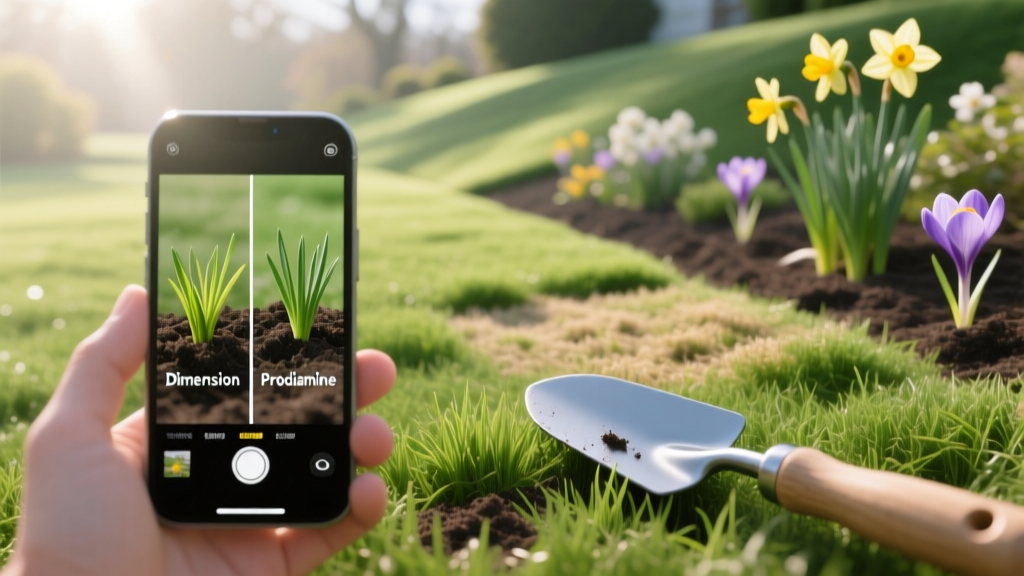
Dimension vs Prodiamine 2026: Timing & Lawn Photography Guide
Emily WatsonPublished
The Art and Science of Spring Pre-Emergent Documentation
Welcome to the 2026 lawn care season. For the modern turfgrass enthusiast, achieving a pristine, weed-free lawn is only half the battle; the other half is meticulously documenting the journey. The intersection of horticultural science and garden photography has never been more vital. By visually tracking your lawn's progression, you create a reliable historical record that informs future decisions, proves the efficacy of your chemical applications, and captures the stunning micro-details of spring turfgrass growth.
One of the most critical decisions you will make this spring is choosing between the two titans of pre-emergent herbicides: Dimension (dithiopyr) and Prodiamine. Both are exceptional tools, but their application timing, residual longevity, and post-emergent capabilities differ significantly. In this guide, we will break down the exact 2026 spring timing for both products while providing actionable garden photography and documentation techniques to help you visually verify your application success and track soil conditions throughout the season.
Dimension vs. Prodiamine: The 2026 Spring Timing Breakdown
To properly document your lawn's health, you must first understand the biological triggers that dictate your application schedule. Crabgrass, the primary target for spring pre-emergents, germinates when the top two inches of soil reach a consistent temperature threshold. However, how Prodiamine and Dimension interact with the soil and the weed seed dictates exactly when you should be out in the yard with your sprayer—and your camera.
Prodiamine: The Long-Lasting Barrier
Prodiamine (often recognized by the brand name Barricade) is a pure pre-emergent. It works by creating a chemical barrier in the top layer of the soil that inhibits root development in germinating seeds. Because it does not have any post-emergent activity, it must be applied and watered in before crabgrass seeds begin to sprout.
2026 Timing Target: Apply Prodiamine when soil temperatures at a 2-inch depth reach 50°F to 55°F for three to five consecutive days. In most transition zones and northern climates, this falls between early March and mid-April. From a documentation standpoint, this is the time to photograph your soil temperature probes and the dormant, early-spring turf canopy before the major green-up occurs.
Dimension: The Flexible Post-Emergent Option
Dimension (dithiopyr) offers a unique advantage: it provides both pre-emergent barrier protection and early post-emergent control. Specifically, Dimension can eradicate crabgrass seedlings that have already germinated and reached the '1-tiller' stage of growth. This makes it an incredibly forgiving option for those who miss the earliest application windows.
2026 Timing Target: Apply Dimension when soil temperatures reach 55°F to 60°F. Because of its early post-emergent capabilities, you can safely push your application window slightly later into the spring, often aligning perfectly with the peak visual green-up of your lawn. This provides excellent opportunities for vibrant, high-contrast photography of the freshly treated, actively growing turf.
Pre-Emergent Comparison Chart
Use the following table as a quick-reference cheat sheet for your 2026 lawn care journal. Print this out or keep it on your mobile device when you are out in the field capturing application data.
| Feature | Prodiamine (Barricade) | Dimension (Dithiopyr) |
|---|---|---|
| Active Ingredient | Prodiamine | Dithiopyr |
| Primary Action | Pre-emergent root inhibitor | Pre-emergent & early post-emergent |
| Soil Temp Trigger (2026) | 50°F - 55°F | 55°F - 60°F |
| Post-Emergent Control | None | Up to 1-tiller crabgrass stage |
| Residual Longevity | 4 to 6 months (rate dependent) | 3 to 4 months |
| Est. Cost per 1,000 sq ft | $0.08 - $0.12 (liquid WDG) | $0.12 - $0.18 (liquid 2EW) |
Garden Photography: Capturing the Application Process
Documenting your lawn care routine is about more than just taking pretty pictures; it is about creating a verifiable record of your turf management practices. When applying liquid pre-emergents, visual confirmation is critical to ensure even coverage and prevent overlapping, which can lead to turf phytotoxicity or wasted chemicals.
1. Utilizing Dye Markers for Spray Pattern Photography
In 2026, high-visibility blue or green dye markers are standard practice for liquid applications. Before you begin your spray, add a turf-safe dye marker to your tank mix. As you lay down your Prodiamine or Dimension, the dye will temporarily stain the soil and turf crowns, revealing your exact spray pattern.
Photography Tip: Use a wide-angle lens (such as a 24mm or 35mm equivalent on a full-frame camera) to capture the stark contrast between the dyed application paths and the untreated grass. Shoot from a low angle, placing the camera just a few inches above the turf canopy. This perspective emphasizes the geometry of your spray lines and provides a striking, abstract image for your digital journal.
2. Documenting Soil Temperatures with Smart Probes
Do not rely on ambient air temperature; crabgrass only cares about soil temperature. Invest in a smart Bluetooth soil probe that syncs directly to your smartphone. Before mixing your herbicide, insert the probe into a representative, sunny area of your lawn.
Photography Tip: Take a macro photograph of the probe's digital readout or your smartphone app interface with the soil temperature clearly visible. Include a physical reference object in the frame, such as a standard 12-inch metal soil thermometer, to cross-reference the digital data. Tag these photos with GPS metadata so you can map the exact microclimates in your yard where soil warms up fastest.
Macro Photography: Spotting Early Crabgrass Tiller Stages
If you have chosen Dimension for its post-emergent capabilities, you will need to visually verify that crabgrass seedlings are present and at the correct growth stage for the herbicide to work. This requires getting down on your hands and knees with a dedicated macro lens (90mm to 105mm is ideal for turfgrass).
Crabgrass at the 1-tiller stage is incredibly small, often no larger than a dime, with a distinct, pale-green center and slightly hairy leaf sheaths. According to turfgrass experts at the University of Minnesota Extension, identifying these early growth stages is crucial because once the weed develops a secondary tiller or a deep taproot, pre-emergents and early post-emergents like Dimension will fail to control it.
Photography Tip: Set your camera to an aperture of f/8 to ensure the entire tiny seedling is in sharp focus. Use a portable LED macro light ring to eliminate shadows cast by the surrounding dormant turf. Documenting these microscopic weeds before and 10 days after your Dimension application provides undeniable visual proof of the herbicide's efficacy as the seedlings shrivel and die.
Creating the 2026 Time-Lapse Quadrant
One of the most rewarding documentation projects for the 2026 season is the 'Time-Lapse Quadrant.' This involves selecting a specific 1-foot by 1-foot square of your lawn to monitor visually from early spring through late summer.
- Establish the Quadrant: Use four small, brightly colored landscaping staples or tent pegs to mark a perfect 12x12 inch square in an area historically prone to crabgrass pressure.
- Build a Fixed Tripod Mount: To ensure consistency, build or purchase a low-profile tripod mount that sits at the exact same height and angle every time you shoot. A 45-degree downward angle is best for capturing turf density.
- Weekly Capture Routine: Take a photograph of this exact square every Sunday morning at the same time, utilizing the same white balance settings. Include a small, weatherproof color-checker card in the corner of the frame to ensure the greens and yellows are accurately represented in post-processing.
- Track the Pre-Emergent Barrier: As the season progresses, your photo journal will reveal the exact week the pre-emergent barrier breaks down. If you spot a crabgrass seedling germinating in your quadrant in late July, you know it is time to schedule a fall overseeding or a targeted post-emergent spot treatment.
Archiving and Metadata for the Digital Lawn Journal
A photograph is only as valuable as the data attached to it. When importing your spring application and soil temperature photos into your digital asset management system or lightroom catalog, rigorous metadata entry is essential.
Create a standardized keyword hierarchy for your 2026 lawn journal. For example: Lawn Care > 2026 > Spring Pre-Emergent > Dimension > Application Day 1. In the caption field, record the exact mix rate (e.g., 'Dimension 2EW applied at 0.6 fl oz per 1,000 sq ft, watered in with 0.25 inches of irrigation'). The Environmental Protection Agency (EPA) strongly advocates for meticulous record-keeping regarding pesticide and herbicide applications, and integrating these records directly into your photo metadata ensures you never lose track of your chemical usage history.
Conclusion
Mastering the 2026 spring pre-emergent season requires a dual mindset: the analytical precision of a turfgrass scientist and the observant eye of a garden photographer. Whether you opt for the long-lasting, early-season barrier of Prodiamine or the flexible, post-emergent forgiveness of Dimension, timing is everything. By documenting your soil temperatures, utilizing dye markers for visual spray confirmation, and employing macro photography to track weed germination stages, you transform routine lawn maintenance into a rich, visual science project. Grab your camera, calibrate your soil probes, and step out into the spring sun—your 2026 lawn journal awaits its first entry.