
Landscaping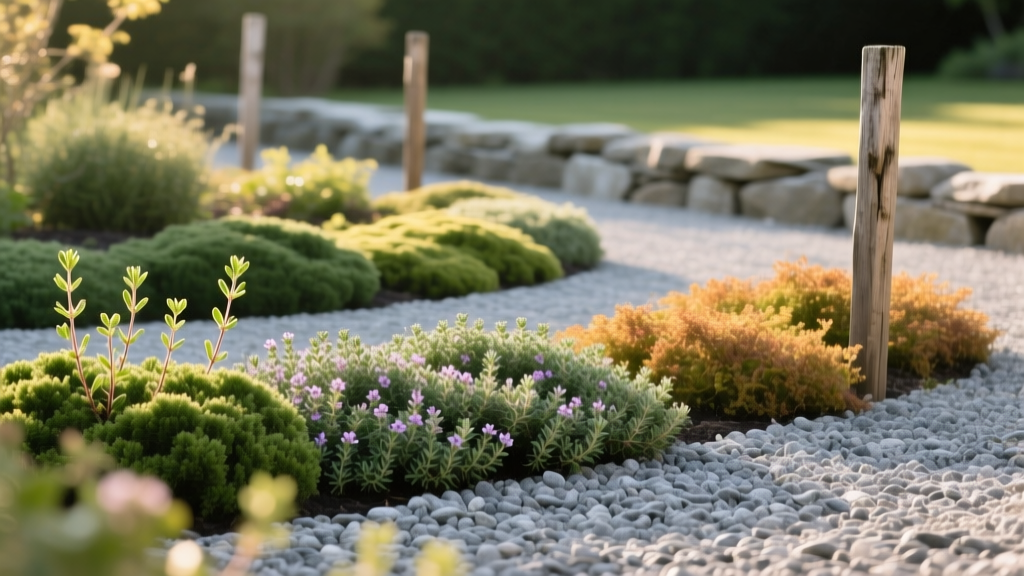
2026 Guide to Photographing Gravel & Creeping Thyme Gardens
Sarah ChenPublished
The 2026 Renaissance of the Gravel Garden
In 2026, sustainable landscaping has fully embraced the gravel garden as a premier solution for climate resilience, water conservation, and low-maintenance beauty. At the heart of this movement is the striking combination of inorganic hardscaping and drought-tolerant groundcovers, specifically creeping thyme (Thymus serpyllum). For landscape photographers and garden documentarians, this pairing offers an extraordinary study in textural contrast: the rugged, geometric permanence of crushed stone against the delicate, sprawling, and seasonal blooms of thyme.
Documenting a gravel and creeping thyme garden is not merely about taking pretty pictures; it is about capturing the ecological and aesthetic evolution of a living landscape. According to the Royal Horticultural Society (RHS), gravel gardens mimic natural, well-drained environments, reducing the need for supplemental irrigation while providing a pristine canvas for alpine and Mediterranean plants. When viewed through a camera lens, this environment becomes a masterclass in leading lines, macro textures, and color theory.
Designing the Canvas: Hardscaping for the Lens
Before you can photograph a gravel garden, the design must be intentional. From a photographic perspective, gravel acts as negative space and a leading line, guiding the viewer’s eye toward focal points. In 2026, the most photogenic gravel gardens utilize 3/8-inch washed pea gravel or 1/2-inch crushed decomposed granite. These sizes are large enough to prevent washing away during heavy rains but small enough to create a uniform, visually pleasing texture on camera sensors.
When installing the hardscaping, lay a high-quality, permeable geotextile weed barrier before adding a 2-to-3-inch depth of gravel. This depth is crucial not only for weed suppression but also for photography; a shallow layer of gravel will allow the dark weed barrier to show through, creating muddy, unappealing shadows in your images. For a professional look, install steel or rigid poly landscape edging to create crisp, clean boundaries. These sharp lines translate beautifully in wide-angle landscape shots, providing architectural structure to the organic spread of the thyme.
Selecting Creeping Thyme Cultivars for Visual Impact
Creeping thyme is the undisputed champion of gravel garden groundcovers. It thrives in the radiant heat reflected by the stones and requires minimal water once established. However, different cultivars offer vastly different photographic opportunities. According to experts at the Beth Chatto Gardens, famous for their pioneering dry gravel gardens, selecting the right plant for the right visual effect is paramount.
- Thymus serpyllum 'Purple Carpet': Offers a vibrant, deep magenta bloom in early summer. The high saturation of this cultivar pops brilliantly against gray or tan gravel, making it ideal for high-contrast, eye-catching social media documentation.
- Thymus praecox 'Elfin': Features tiny, dense leaves and pale lavender flowers. Its incredibly tight growth habit creates a moss-like texture that is perfect for macro photography, highlighting the intricate details of the foliage against the rough stone.
- Thymus pseudolanuginosus (Woolly Thyme): Lacks prominent flowers but features soft, silvery-gray, fuzzy leaves. This cultivar is a dream for black-and-white landscape photography, as its soft texture contrasts sharply with the hard edges of the gravel.
In 2026, expect to pay approximately $18 to $25 per 32-cell plug tray for these premium cultivars. Plant them 8 to 12 inches apart directly into the soil beneath the gravel, pulling the stones back slightly around the crown to prevent rot. Documenting this initial planting phase provides a powerful "before" baseline for your garden's time-lapse archive.
Essential Camera Gear and Settings for 2026
Photographing the intersection of hardscape and groundcover requires specialized gear to capture both the expansive layout and the microscopic details. Modern 2026 mirrorless cameras with high-resolution sensors (45MP and above) are ideal, as they allow for heavy cropping without losing the intricate texture of the gravel or the tiny stamens of the thyme flowers.
| Lens Type | Focal Length | Aperture | Primary Use Case |
|---|---|---|---|
| Macro Prime | 90mm - 105mm | f/2.8 - f/4 | Isolating individual thyme blooms; capturing morning dew on gravel stones with creamy bokeh backgrounds. |
| Wide-Angle Zoom | 16mm - 35mm | f/8 - f/11 | Capturing the full garden layout; emphasizing leading lines created by gravel paths and edging. |
| Tilt-Shift | 24mm - 50mm | f/4 - f/5.6 | Correcting perspective distortion when shooting hardscaping borders; maintaining edge-to-edge sharpness. |
| Circular Polarizer (CPL) | N/A (Filter) | N/A | Essential for cutting the harsh midday glare and reflections off wet or polished gravel stones. |
Mastering Light: Taming Gravel Glare and Highlighting Blooms
Gravel is notoriously difficult to photograph under direct, midday sunlight. The multifaceted surfaces of crushed stone act like tiny mirrors, creating harsh, blown-out highlights and deep, distracting shadows. This high-contrast environment can easily confuse your camera's dynamic range, resulting in lost detail in both the stones and the thyme foliage.
To overcome this, schedule your primary documentation sessions during the "golden hours"—the first hour after sunrise and the last hour before sunset. The low angle of the sun rakes across the garden, elongating the shadows and revealing the three-dimensional texture of the gravel and the topography of the creeping thyme mats. Alternatively, embrace overcast days. A thick cloud cover acts as a giant natural softbox, providing even, diffused light that allows the true colors of the 'Purple Carpet' thyme and the subtle hues of the decomposed granite to render accurately without specular highlights.
Long-Term Documentation: The Fixed-Point Time-Lapse Method
The true value of garden documentation lies in tracking the maturation of the landscape over time. A newly planted gravel garden looks sparse, but creeping thyme is a vigorous spreader that will eventually knit together, weaving through the stones. To capture this transformation, establish a "fixed-point photography station."
Choose three distinct vantage points in your garden: one wide-angle shot capturing the entire layout, one mid-range shot focusing on a specific curve or border, and one low-angle macro shot focusing on the boundary where the thyme meets the bare gravel. Drive a small, discreet metal stake into the ground at each location. When it is time to document the garden, mount your tripod so the center column aligns perfectly with the stake. Use a bubble level and record your exact focal length, height, and compass bearing in a field notebook or a GPS-enabled photography app.
By shooting from these exact coordinates on the 15th of every month, you will build a flawless visual timeline. By the end of 2026, you can stitch these images together into a seamless time-lapse video, vividly demonstrating how the creeping thyme expands its territory, softens the harsh hardscaping lines, and shifts through its seasonal color cycles.
Post-Processing and Archiving Your Landscape Portfolio
In 2026, AI-driven post-processing software has revolutionized landscape editing. Tools like generative masking in Adobe Lightroom and Capture One allow you to instantly isolate the creeping thyme from the gravel background with a single click. This is particularly useful for localized adjustments; you can selectively increase the vibrance and clarity of the thyme flowers while simultaneously cooling down the shadows in the gravel to enhance the stone's natural texture.
When archiving your documentation, utilize a robust metadata strategy. Tag your images not just with the date and location, but with horticultural data: the specific thyme cultivar, the gravel type, the depth of the stone, and the current growth stage. This transforms your photography from a simple visual diary into a valuable, searchable horticultural database, providing actionable insights for future landscaping projects and inspiring the next generation of sustainable, water-wise garden designers.

