Home & Garden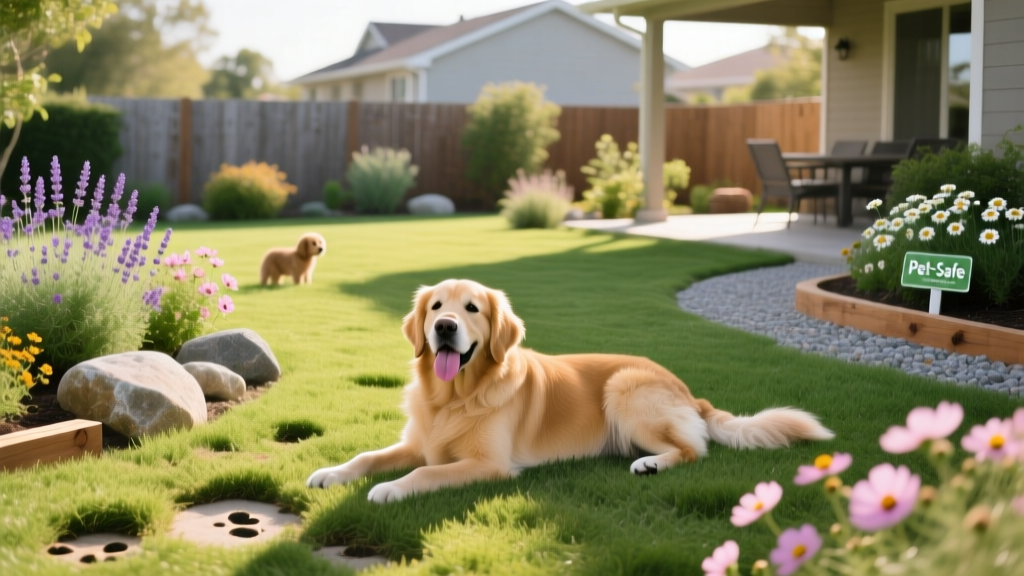
Designing a Dog-Friendly Lawn: Safe Grass and Landscaping
David ParkPublished
Creating a beautiful outdoor space that withstands the pitter-patter of paws and the chaotic joy of children is one of the greatest challenges in modern landscaping. When designing a pet-friendly and family-safe yard, you must balance aesthetic appeal with extreme durability and non-toxic materials. From selecting the right turfgrass that resists nitrogen burn to choosing safe mulches and smart irrigation systems, every detail matters. This comprehensive guide will walk you through the exact steps, costs, and materials needed to transform your yard into a safe, resilient oasis for your entire family.
The Challenge of Maintaining a Lawn with Pets
Dog urine is notoriously high in nitrogen and salts, which can cause severe burn spots on traditional turfgrass. Furthermore, high-traffic play areas quickly turn into muddy swamps or barren dirt patches if the underlying soil and grass species are not equipped for heavy foot and paw traffic. According to the American Kennel Club, designing a dog-friendly yard requires strategic zoning, selecting resilient grass varieties, and avoiding toxic landscaping materials that curious pets might ingest.
Best Grass Types for High-Traffic Pet Yards
Not all grass is created equal. To survive the wear and tear of family games of fetch and tag, you need turf with deep root systems and rapid recovery rates. Here is a comparison of the most durable grass types for pet-friendly lawns, categorized by climate zone.
| Grass Type | Climate Zone | Traffic Tolerance | Urine Resistance | Estimated Cost (Seed/Sod) |
|---|---|---|---|---|
| Bermudagrass | Warm-Season | Excellent | Moderate | $5-$10/lb (Seed) | $0.35/sq ft (Sod) |
| Zoysia | Warm/Transition | Excellent | High | $0.50-$0.80/sq ft (Sod/Plugs) |
| Tall Fescue | Cool-Season | Very Good | High | $6-$12/lb (Seed) |
| Kentucky Bluegrass | Cool-Season | Good | Low | $8-$15/lb (Seed) |
Warm-Season Grasses: Bermuda and Zoysia
If you live in the southern United States, Bermudagrass is your best ally. It spreads rapidly via stolons and rhizomes, meaning it can repair torn-up divots from digging dogs in a matter of weeks. Zoysia is another phenomenal choice; it forms a dense, carpet-like turf that naturally chokes out weeds and feels soft on bare feet and paws. While Zoysia is more expensive to install (typically requiring sod or plugs at $0.50 to $0.80 per square foot), its drought tolerance and high wear resistance make it a worthwhile long-term investment.
Cool-Season Grasses: Tall Fescue
For northern climates, Tall Fescue is the undisputed champion of pet-friendly lawns. Its deep root system (growing up to 3 feet deep) allows it to withstand drought and resist the nitrogen burns caused by dog urine far better than shallow-rooted Kentucky Bluegrass. To maximize durability, seed your lawn with a turf-type tall fescue blend at a rate of 6 to 8 pounds per 1,000 square feet in the early fall, and maintain a mowing height of 3 to 4 inches to shade the soil and retain moisture.
Creating Designated Pet Zones and Pathways
To protect your pristine lawn areas, create designated potty zones and running paths. Dogs are creatures of habit and will naturally run the same perimeter fence line, creating muddy trenches.
- Potty Zones: Designate a 4x4 foot area in a shaded, discreet corner of the yard. Fill it with pea gravel or washed river rock (costing roughly $4 to $6 per 50lb bag). Avoid sharp gravel that can cut paw pads. Install a French drain underneath if drainage is poor.
- Running Paths: Use smooth flagstone, mulch, or artificial pet turf for high-traffic running paths. If using mulch, never use cocoa bean mulch. According to the ASPCA, cocoa mulch contains theobromine and caffeine, which are highly toxic to dogs and can cause severe neurological and cardiac issues if ingested. Opt for cedar or pine bark mulch instead.
Pet-Safe Fertilizers and Weed Control
Traditional synthetic fertilizers and broadleaf herbicides (like 2,4-D) can be harmful to pets if they walk on treated grass and subsequently lick their paws. Transitioning to organic, pet-safe lawn care is essential for a family-friendly yard.
Fertilizers: Switch to slow-release organic fertilizers like Milorganite or corn gluten meal. Milorganite (costing around $15 for a 32lb bag covering 2,500 sq ft) is derived from heat-dried microbes and contains iron, which helps the lawn green up without the risk of chemical burns. Because it is non-burning and organic, pets can safely re-enter the yard immediately after watering it in.
Weed Control: For pre-emergent weed control, corn gluten meal is a fantastic natural alternative. Apply it in early spring at a rate of 20 pounds per 1,000 square feet. For existing broadleaf weeds, spot-treat with horticultural vinegar (20% acetic acid) on a hot, sunny day, keeping pets indoors until the spray dries completely.
Toxic vs. Non-Toxic Plants for Family Yards
Landscaping borders and garden beds add immense curb appeal, but many common ornamental plants are highly toxic to dogs and cats. Sago palms, oleander, foxglove, and lilies can be fatal if chewed on by curious pets or toddlers.
Instead, border your pet-friendly pathways with resilient, non-toxic alternatives:
- Ornamental Grasses: Fountain grass and blue fescue are safe, durable, and add beautiful movement to the landscape.
- Groundcovers: Creeping thyme and Irish moss are excellent, pet-safe alternatives to traditional grass in shaded areas. They release a pleasant fragrance when stepped on and can handle light foot traffic.
- Shrubs: Boxwood, camellia, and snapdragons are generally recognized as safe for pets and provide excellent structural elements to your garden design.
Always cross-reference your planting list with the ASPCA Toxic and Non-Toxic Plants database before making purchases at the garden center.
Natural Flea and Tick Yard Management
A family-friendly yard must also be a safe zone free from dangerous pests. Ticks and fleas thrive in tall, moist grass and shaded leaf litter. To minimize their presence without resorting to harsh synthetic pesticides like permethrin (which is highly toxic to cats and aquatic life), focus on environmental management and natural deterrents.
Keep your lawn mowed to a height of 2.5 to 3 inches. This allows sunlight to penetrate the soil surface, creating a dry environment where flea larvae struggle to survive. Clear away leaf litter and tall brush at the perimeter of your yard, as these are prime habitats for ticks. For a natural barrier, spray cedarwood oil-based yard treatments around the perimeter of your property and in shaded garden beds. These essential oil-based sprays disrupt the life cycle of fleas and ticks and are safe for pets and children once dried, typically costing around $35 for a 32-ounce hose-end sprayer bottle that covers up to 5,000 square feet. The Centers for Disease Control and Prevention (CDC) also recommends creating a 3-foot wide barrier of wood chips or gravel between lawns and wooded areas to restrict tick migration into recreational zones.
Smart Irrigation for Mud-Free Play Areas
Overwatering leads to muddy paws being tracked across your indoor hardwood floors, while underwatering results in brittle, easily torn grass. Integrating a smart home irrigation system bridges the gap between indoor convenience and outdoor maintenance.
Smart controllers, such as the Rachio 3 or Orbit B-hyve (ranging from $150 to $250), connect to your home Wi-Fi and use local weather data to adjust watering schedules automatically. This prevents the sprinklers from running after a heavy rainstorm, keeping your yard firm and mud-free. Pair your smart controller with MP Rotator nozzles, which apply water slowly and evenly at a rate of 0.5 inches per hour, allowing heavy clay soils to absorb moisture without creating puddles in your dog's favorite play areas.
Conclusion
Designing a pet and family-friendly yard does not mean sacrificing beauty for durability. By selecting resilient grasses like Tall Fescue or Zoysia, utilizing safe hardscaping materials like pea gravel and cedar mulch, and adopting organic lawn care practices, you can create an outdoor sanctuary that is safe for every member of your family. Implement these strategies this season, and enjoy a lush, vibrant, and worry-free landscape for years to come.
