Lawn Care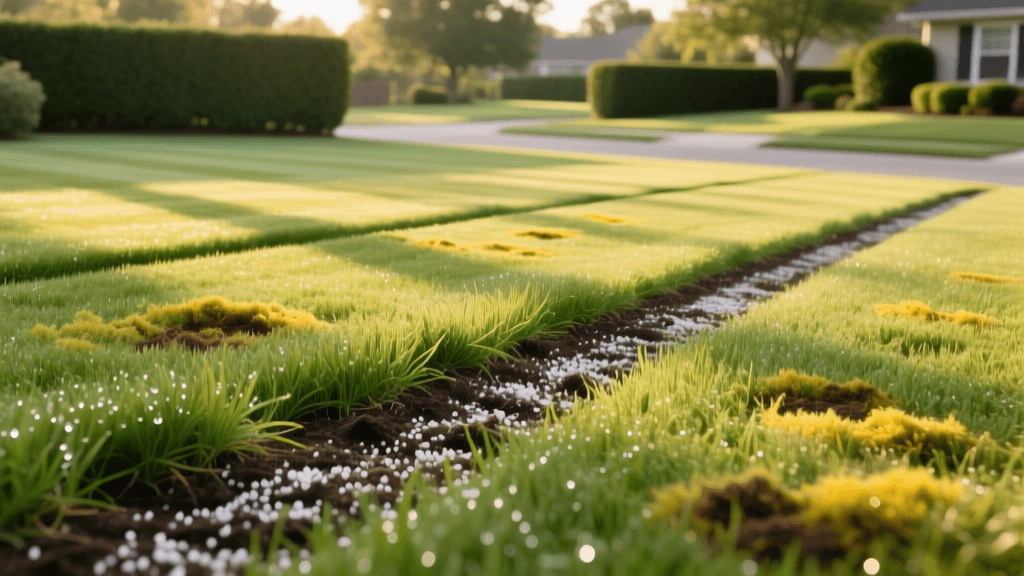
Dog Urine Spot Repair: Gypsum, Reseeding & Mowing (2026)
The Chemistry of Canine Urine and the Gypsum Solution
For dog owners, maintaining a pristine lawn is an ongoing battle against canine biology. Dog urine is notoriously high in urea, a nitrogen-rich compound that, in concentrated doses, acts as a severe chemical burn on turfgrass. Furthermore, the accumulation of soluble salts in the soil alters the osmotic pressure, effectively dehydrating grassroots and leaving behind those unsightly, crusty brown rings surrounded by a halo of dark green, over-stimulated grass. In 2026, the industry standard for addressing this issue has moved beyond simple flushing and overseeding. The modern protocol requires a three-pronged approach: chemical neutralization using gypsum, biological restoration via advanced seed coatings, and aesthetic management through strategic mowing techniques and patterns.
Calcium sulfate, commonly known as gypsum, is the cornerstone of the chemical repair process. According to turfgrass experts at Purdue University's Turf Science program, gypsum works through a process called flocculation. The calcium ions in the gypsum displace the sodium and excess salts left behind by the dog urine, pushing them deeper into the soil profile and away from the sensitive root zone. Crucially, gypsum accomplishes this without drastically altering the soil's pH, making it the safest and most effective amendment for localized urine burns.
Step-by-Step Spot Repair: Gypsum, Soil, and Seed
Before you can implement advanced mowing strategies to hide the damage, you must properly execute the physical repair. Here is the definitive 2026 protocol for treating dog urine spots:
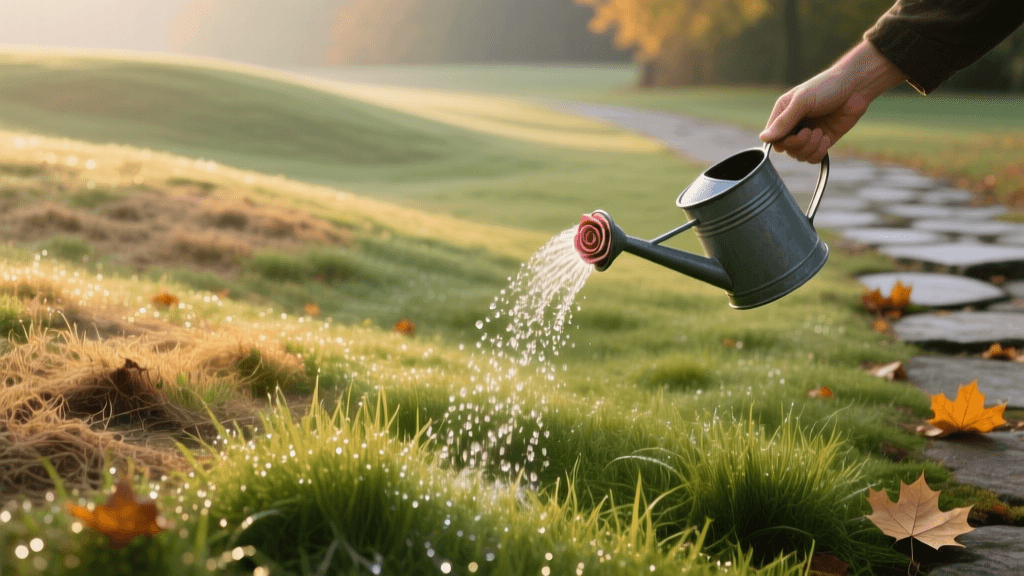
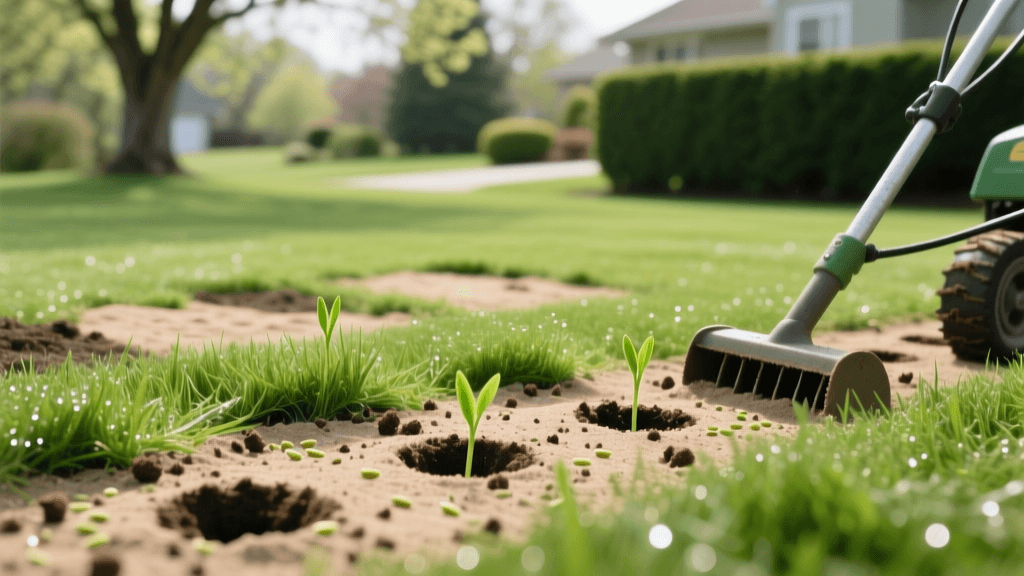
- Step 1: Flush and Rake. Immediately after noticing a spot, flush the area with at least two gallons of water to dilute the urea. Once dry, use a thatching rake to aggressively remove the dead grass and loosen the top inch of soil.
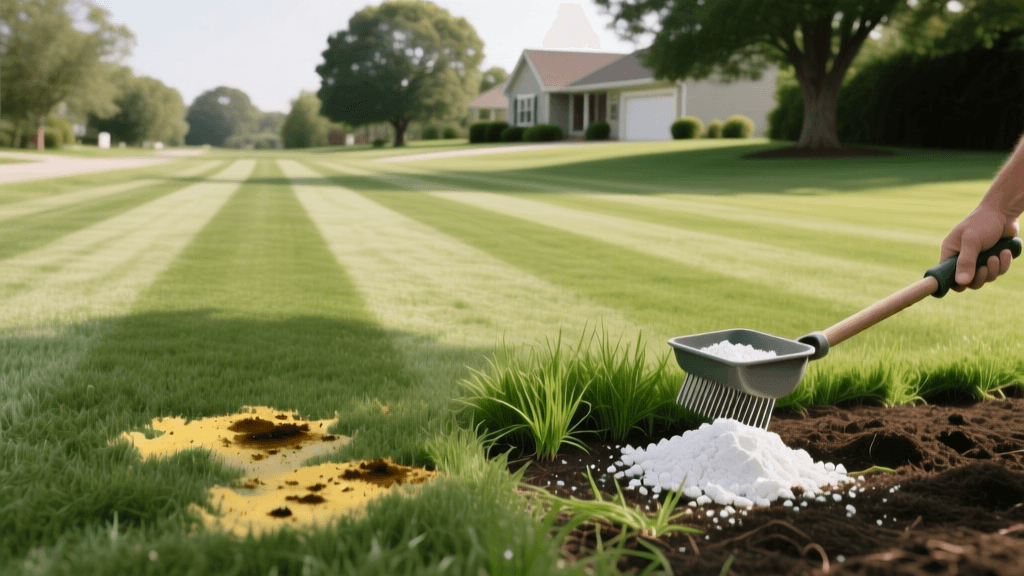
- Step 2: Apply Gypsum. Apply approximately 1/2 cup of pelletized gypsum (such as Espoma Organic Landscapers' Gypsum) per square foot of the damaged area. Water it in deeply to activate the calcium ion exchange.
- Step 3: Topdress and Reseed. Add a quarter-inch layer of sterile compost or topsoil. For reseeding, utilize 2026 seed blends featuring hydroscopic coatings, such as Scotts Thick'R Lawn or Jonathan Green Black Beauty Ultra, which retain moisture and deter birds while the gypsum stabilizes the underlying soil.
The Mowing Perspective: Hiding and Healing Repaired Spots
While gypsum and seed address the chemical and biological damage, the aesthetic recovery of your lawn relies entirely on your mowing techniques. A newly repaired spot will remain visually distinct from the surrounding mature lawn for three to six weeks. During this vulnerable window, how you mow dictates both the survival of the new seedlings and the visual uniformity of your yard.
Adjusting Mowing Heights for Deep Rooting and Camouflage
The most common mistake homeowners make when dealing with repaired spots is scalping the area. Uneven soil settlement over the gypsum and compost mix often creates slight depressions. If your mower deck is set too low, the wheels will drop into these depressions, causing the blade to scalp the soil, rip out germinating seeds, and expose the brown dirt. For comprehensive lawn recovery guidelines, the University of Minnesota Extension recommends maintaining higher mowing heights to encourage deep rooting and shade the soil. In 2026, the recommended height for cool-season grasses like Tall Fescue and Kentucky Bluegrass is between 3.5 and 4.5 inches. This taller canopy physically bends over the repaired spot, providing a protective umbrella that shades the new seed and hides the bare dirt from the naked eye.
Optical Illusions: Mowing Patterns to Camouflage Spots
Grass blades contain silica, which reflects sunlight. When you mow your lawn in the same direction every week, all the grass blades are bent the same way, creating a uniform surface that reflects light evenly. This uniformity acts like a spotlight on any anomalies, making the lighter green, newly sprouted grass in your repaired urine spots stand out starkly against the dark, mature lawn.
To counteract this, you must use strategic mowing patterns to create optical illusions that break up the visual continuity of the turf:
- The Checkerboard Pattern: Mow the lawn in parallel lines one week, and then mow perpendicular to those lines the next week. This creates a checkerboard effect. The varying angles of the grass blades create micro-shadows that disrupt light reflection, effectively camouflaging the color variance of the new seed.
- The Diamond Pattern: Mow diagonally across the lawn at a 45-degree angle, then make a second pass at an opposing 45-degree angle. The resulting diamond pattern scatters light in multiple directions, making it incredibly difficult for the human eye to isolate the boundaries of a repaired urine spot.
- Alternating Swirls: For smaller, irregularly shaped yards, mowing in alternating concentric circles or swirls bends the grass in chaotic directions, completely masking the lighter patches of new growth.
2026 Mower Tech and Blade Maintenance
The physical condition of your mower blade is paramount when managing newly reseeded, gypsum-treated spots. A dull mower blade will not cut the grass; it will tear it. Mature grass can survive tearing, but new seedlings in a repaired spot will be ripped entirely out of the loose, amended soil. In 2026, investing in a high-lift, freshly sharpened mulching blade is non-negotiable. Furthermore, the latest generation of robotic mowers, such as the Husqvarna Automower 550X, utilize GPS-assisted random mowing patterns. This randomized cutting path naturally scrambles the visual lines of the turf, providing an automated, continuous camouflage effect that is highly beneficial for hiding ongoing spot repairs without any manual pattern planning.
Mowing Strategy and Gypsum Application Data
The following table outlines the ideal 2026 mowing parameters and gypsum application rates based on your specific turfgrass type to ensure optimal recovery and visual blending.
| Grass Type | Ideal 2026 Mowing Height | Best Pattern for Camouflage | Gypsum Application Rate |
|---|---|---|---|
| Kentucky Bluegrass | 3.0 - 4.0 inches | Checkerboard | 1/2 cup per sq ft |
| Tall Fescue | 3.5 - 4.5 inches | Diagonal Striping | 1/2 cup per sq ft |
| Bermudagrass | 1.5 - 2.5 inches | Diamond / Cross-Cut | 1/4 cup per sq ft |
| Zoysia | 1.5 - 2.5 inches | Alternating Swirls | 1/4 cup per sq ft |
Watering and Post-Mowing Recovery
After mowing over a newly repaired spot, the grass will experience mild transpiration stress. Because the gypsum is actively working to leach salts downward, the soil in the repaired zone will drain faster than the surrounding compacted clay. Immediately following a mowing session, apply a light, 10-minute irrigation cycle to the repaired spots. This settles the soil back around the roots of the new seedlings and washes any stray grass clippings off the delicate new leaves, ensuring maximum sunlight penetration for photosynthesis.
Conclusion
Repairing dog urine spots is no longer just about dumping seed on dirt and hoping for the best. By combining the chemical neutralizing power of gypsum with advanced 2026 seed technologies, and managing the visual recovery through strategic mowing heights and light-disrupting patterns, you can maintain a flawless lawn. The right mowing technique not only hides the repair while it matures but also ensures the new grass develops the deep, resilient root system necessary to withstand future canine visits.