Lawn Care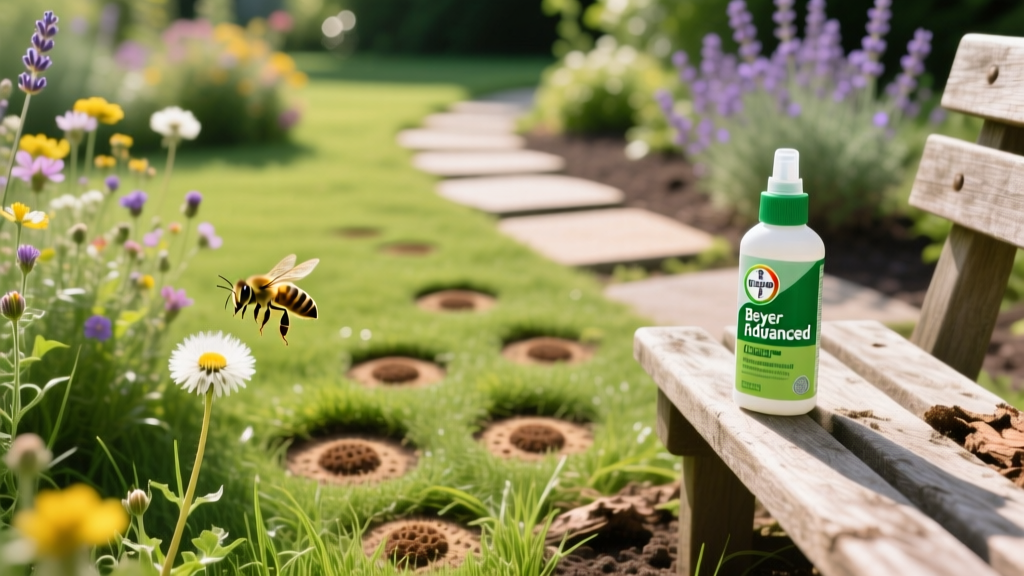
Dollar Spot Treatment: Bayer Advanced & Pollinators 2026
Sarah ChenPublished
Introduction to Dollar Spot and Pollinator-Friendly Lawns in 2026
As we navigate the 2026 growing season, the paradigm of lawn care has fundamentally shifted. Homeowners and landscape professionals alike are embracing pollinator-friendly garden designs, integrating flowering turf alternatives like Dutch white clover, creeping thyme, and self-heal into traditional grass matrices. However, maintaining a lush, biodiverse lawn canvas does not make it immune to turfgrass diseases. Dollar spot disease remains one of the most pervasive and frustrating fungal infections affecting both cool-season and warm-season grasses. When an outbreak threatens the structural integrity of your lawn, chemical intervention is sometimes necessary. The challenge lies in treating the disease without compromising the very pollinators your garden was designed to support.
Historically, broad-spectrum chemical applications have wreaked havoc on local bee, butterfly, and beneficial insect populations. In 2026, responsible lawn stewardship requires a nuanced approach to disease management. This guide focuses specifically on the identification of dollar spot and the precise, ecologically mindful application of Bayer Advanced (now widely marketed under the BioAdvanced brand umbrella) fungicides. By understanding the intersection of turf pathology and pollinator biology, you can protect your lawn while maintaining a thriving habitat for essential pollinators.
Identifying Dollar Spot Disease in the Modern Lawn
Before reaching for any treatment, accurate identification is critical. Dollar spot, caused by the fungal pathogen Clarireedia jacksonii, is notorious for mimicking other turf issues like brown patch or drought stress. According to NC State Extension turfgrass pathology resources, the disease thrives in environments with high humidity, warm days, cool nights, and low soil nitrogen.
Key Symptoms to Monitor
- Spot Size and Shape: True to its name, the disease initially appears as small, circular, straw-colored patches roughly the size of a silver dollar (1 to 3 inches in diameter). In a pollinator-friendly lawn with mixed species, these spots may appear irregularly across the grass blades while leaving broadleaf flowering plants untouched.
- Lesions on Blades: Upon close inspection, individual grass blades will exhibit hourglass-shaped lesions with bleached centers and distinct reddish-brown to purplish margins.
- Mycelium Presence: In the early morning, when heavy dew is present, you may observe a delicate, cobweb-like white mycelium stretching across the infected patches. This fungal growth disappears quickly as the sun dries the turf.
- Coalescence: If left untreated, these small silver-dollar spots will rapidly merge into large, amorphous areas of dead, straw-colored turf, severely damaging the lawn's aesthetic and ecological foundation.
The Pollinator Dilemma: Fungicides and Bee Health
Why must we treat fungicide application with such extreme caution in a pollinator-friendly landscape? Pollinators, particularly native ground-nesting bees like sweat bees and bumblebees, frequently interact with the lawn environment. They forage on low-growing blooms (like dandelions and clover) and utilize bare or thinly turfed patches for nesting. Furthermore, the EPA's Pollinator Protection guidelines emphasize that chemical drift, surface residues, and systemic uptake can lead to lethal or sublethal effects on bee colonies, impairing their navigation and foraging abilities.
Many traditional fungicides carry warnings regarding aquatic invertebrates and bees, particularly when applied to blooming weeds. In a 2026 pollinator-first garden design, the goal is never to eradicate all non-grass plants, but rather to manage the ecosystem. Therefore, applying a fungicide like Bayer Advanced requires strict adherence to timing, preparation, and application methodologies that minimize pollinator exposure.
Using Bayer Advanced (BioAdvanced) Safely for Pollinators
Bayer Advanced, operating predominantly under the BioAdvanced brand name in 2026, offers several highly effective fungicides for dollar spot control, most notably those containing the active ingredient Propiconazole (e.g., BioAdvanced Fungus Control for Lawns). Propiconazole is a systemic triazole fungicide that halts fungal growth by inhibiting sterol synthesis. While highly effective against Clarireedia jacksonii, it must be applied strategically to protect foraging bees.
Step-by-Step Pollinator-Safe Application Guide
To treat dollar spot using Bayer Advanced/BioAdvanced products without harming your local pollinator population, follow this rigorous 2026 protocol:
- Mow and Remove Blooms (Crucial Step): Never apply fungicides to a lawn where weeds or turfgrass are actively flowering. Mow the lawn immediately before application to remove all clover, dandelion, and grass flower heads. Collect and dispose of the clippings to eliminate the immediate food source that would attract bees to the treated area.
- Time Your Application for Evening: Apply the fungicide in the late evening or at dusk. Pollinators are largely inactive during these hours. This allows the product to dry completely or be watered into the soil before bees resume foraging the next morning.
- Choose the Right Formulation: Opt for granular formulations over liquid sprays whenever possible. Granules fall through the turf canopy to the soil level, drastically reducing the risk of foliar residue and airborne drift that could coat nearby pollinator-friendly garden beds.
- Water In Immediately: If using a granular Bayer Advanced/BioAdvanced product, irrigate the lawn with roughly 0.25 to 0.5 inches of water immediately after application. This washes the active ingredient off the grass blades and into the thatch/soil where the dollar spot pathogen resides, removing surface residues that could contact a bee's legs or wings.
- Establish a Buffer Zone: Maintain a 3-to-5-foot untreated buffer zone between your turfgrass and dedicated pollinator flower beds to prevent accidental overspray or granular bounce into high-traffic foraging zones.
Comparison: Granular vs. Liquid Fungicides for Pollinator Gardens
Choosing the correct delivery method for your Bayer Advanced treatment is vital for ecological safety. Below is a comparison of the two primary formulations available in 2026 for residential dollar spot control.
| Feature | Granular Fungicide | Liquid Ready-To-Spray (RTS) |
|---|---|---|
| Drift Risk | Very Low (falls directly to soil) | Moderate to High (wind can carry mist) |
| Foliar Residue | Low (if watered in properly) | High (coats grass blades and weeds) |
| Pollinator Safety | Excellent (when blooms are removed) | Fair (requires strict evening application) |
| Speed of Action | Moderate (requires irrigation to activate) | Fast (immediate foliar absorption) |
| Best Use Case | Preventative & early curative in mixed lawns | Severe, active outbreaks requiring rapid halt |
Integrating Cultural Controls to Reduce Chemical Reliance
The cornerstone of any pollinator-friendly garden design is reducing the overall need for synthetic chemicals. By altering the lawn's microenvironment, you can make it inherently hostile to dollar spot. Penn State Extension recommends a holistic approach to landscape management that prioritizes plant health and ecological balance over reactive chemical treatments.
Essential Cultural Practices for 2026
- Nitrogen Management: Dollar spot aggressively targets nitrogen-deficient turf. Apply a slow-release, organic nitrogen source (such as feather meal or composted poultry manure) in the spring. This feeds the grass steadily without causing the rapid, succulent growth that invites other diseases, while also being safe for soil-dwelling pollinators.
- Morning Dew Removal: The dollar spot fungus requires prolonged leaf wetness to infect. Use a bamboo pole to gently 'whip' the dew off the grass in the early morning, or run a light irrigation cycle to wash dew off the leaves before the sun hits the lawn.
- Core Aeration and Thatch Control: Compacted soil and thick thatch layers restrict root growth and trap moisture. Core aerate your lawn in the fall to improve drainage and air circulation. A healthy, deep-rooted lawn is far more resilient to fungal pathogens.
- Mowing Height: Raise your mower deck. Cutting cool-season grasses at 3.5 to 4 inches shades the soil, retains moisture at the root zone (rather than the surface), and reduces the stress that makes grass susceptible to Clarireedia jacksonii.
Conclusion: Balancing Turf Health and Ecological Duty
Managing dollar spot in a pollinator-friendly landscape requires vigilance, precision, and respect for the local ecosystem. As we implement our 2026 lawn care strategies, it is clear that we no longer have to choose between a disease-free lawn and a thriving pollinator habitat. By accurately identifying dollar spot early, utilizing cultural controls to minimize fungal pressure, and applying Bayer Advanced (BioAdvanced) fungicides with strict adherence to pollinator-safe protocols—such as mowing off blooms, treating at dusk, and watering in granules—you can effectively halt the disease in its tracks. Your lawn will remain a pristine, healthy canvas that seamlessly supports the vibrant, life-sustaining pollinator garden surrounding it.