Pest Control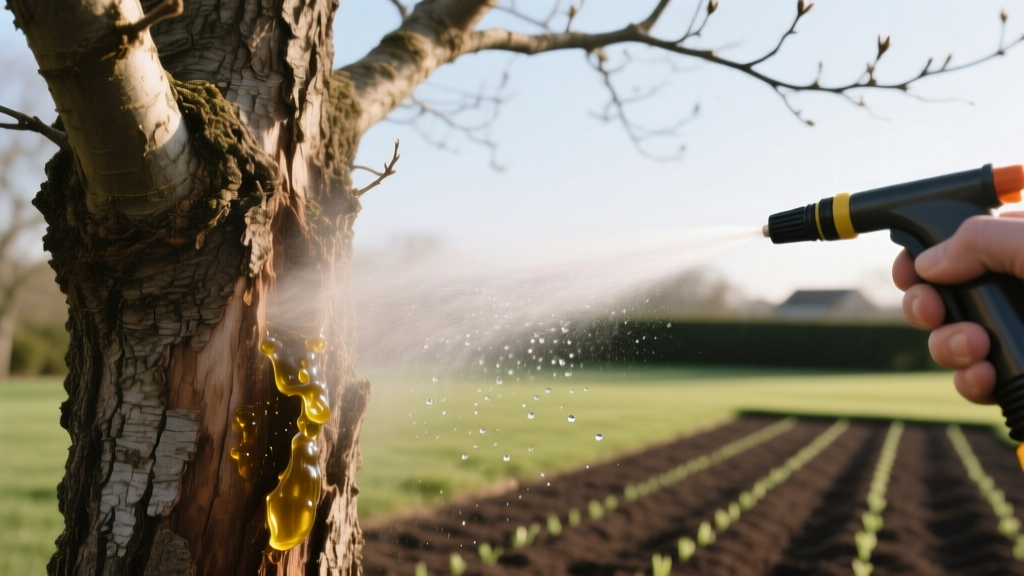
2026 Dormant Horticultural Oil Guide: Scale Control Before Seeding
David ParkPublished
The Hidden Link Between Canopy Pests and Lawn Renovation
As we enter the 2026 lawn care season, homeowners and landscape professionals are increasingly adopting a holistic approach to Integrated Pest Management (IPM). When planning your spring lawn aeration and overseeding schedule, it is easy to focus exclusively on soil health, turfgrass cultivars, and fertilizer ratios. However, the health of your overhanging trees and ornamental shrubs plays a critical, often overlooked role in the success of your turf renovation. Specifically, managing scale insects with a dormant horticultural oil spray in late winter is a vital preparatory step that directly impacts the germination and establishment of new grass seed.
Scale insects are notorious for weakening woody plants, but their secondary effects on the lawn below can be devastating to a newly seeded landscape. By understanding the intersection of canopy pest control and turfgrass establishment, you can time your horticultural oil applications perfectly to ensure a lush, thick lawn by late spring.
Understanding Scale Insects and Their Impact on Turfgrass
Scale insects are small, sap-sucking pests that attach themselves to the stems and branches of trees and shrubs. They are generally divided into two categories: armored scales (which secrete a hard, protective shell) and soft scales (which produce a waxy coating). While both damage the host plant by draining vital nutrients, soft scales and certain armored scales excrete a sticky, sugar-rich substance known as honeydew.
When honeydew drips from an infested canopy onto the lawn below, it creates a breeding ground for sooty mold—a black, powdery fungus. In the context of lawn aeration and seeding, sooty mold is a major adversary. When grass seed is sown into aerated soil, it requires direct contact with the soil and adequate sunlight to germinate. A heavy coating of sooty mold on the soil surface blocks sunlight, alters soil surface temperatures, and can harbor fungal pathogens that cause 'damping-off' disease in vulnerable new grass seedlings. Eliminating the scale population before they become active in spring stops the honeydew production at its source, creating a clean slate for your spring overseeding efforts.
What is Dormant Horticultural Oil?
Horticultural oils are highly refined petroleum-based or plant-based oils designed to smother overwintering insects and their eggs. Unlike chemical neurotoxins, oils work mechanically by coating the pest and blocking its spiracles (breathing pores), leading to suffocation. Because of this mechanical action, scale insects cannot develop genetic resistance to oils, making them a cornerstone of sustainable IPM programs.
In 2026, the market has seen a shift toward ultra-pure, low-viscosity paraffinic oils. These modern formulations are refined to remove impurities like sulfur and aromatic compounds that historically caused phytotoxicity (plant burn). According to Penn State Extension, modern dormant oils degrade rapidly under UV light, leaving no toxic residue behind. This rapid degradation is exactly what makes them safe to use in the weeks leading up to your spring lawn aeration and seeding projects.
Timing Your Spray Around Core Aeration and Overseeding
Timing is the most critical factor when integrating dormant oil sprays with lawn renovation. Dormant oils must be applied when the target trees and shrubs are fully dormant—typically in late winter or very early spring, just before bud swell. If applied after the buds have broken and green tissue is exposed, the oil can severely damage the plant.
From a turfgrass perspective, you must complete your dormant spraying before you begin core aeration and seeding. Cool-season grasses (like Kentucky Bluegrass, Tall Fescue, and Perennial Ryegrass) require soil temperatures of roughly 50°F to 55°F to germinate. Core aeration is usually performed when soil temperatures reach this threshold to maximize seed-to-soil contact. If you apply horticultural oil after aerating and seeding, the oil runoff can coat the newly planted grass seeds and young seedlings, suffocating them and halting germination.
By scheduling your dormant oil application in late February or early March (depending on your USDA hardiness zone), you allow the oil to do its job on the canopy and naturally degrade via UV exposure and rainfall long before the soil warms up for your April or May aeration and seeding window.
Step-by-Step Application Guide for 2026
To effectively control scale without compromising your upcoming lawn renovation, follow these application guidelines:
- Check the Forecast: Apply the oil when temperatures are between 40°F and 70°F. Ensure no freezing temperatures or heavy rain are expected for at least 24 hours after application to allow the emulsion to dry properly.
- Calibrate Your Sprayer: Use a pump sprayer or a motorized backpack sprayer equipped with a cone nozzle. The goal is complete coverage. Scale insects hide in bark crevices and branch crotches, so the tree should be sprayed to the point of runoff.
- Mix the Emulsion: Follow the 2026 label rates for your specific ultra-pure oil concentrate (typically 2 to 4 ounces per gallon of water for dormant applications). Agitate the tank frequently, as oil and water will naturally separate.
- Protect the Lawn Area: While modern dormant oils are relatively safe, avoid heavily saturating the dormant turfgrass below. If you have early-emerging spring bulbs or perennials near the tree base, shield them with a tarp to prevent oil contact.
Comparison Chart: Scale Control Methods and Seeding Safety
When preparing your landscape for aeration, choosing the right scale treatment is vital. Below is a comparison of common scale control methods and how they interact with spring lawn seeding.
| Treatment Type | Application Timing | Impact on Grass Seed & Seedlings | Efficacy on Armored Scale |
|---|---|---|---|
| Dormant Horticultural Oil | Late Winter (Pre-Bud Swell) | Safe. Degrades before spring seeding window. | High (Suffocates overwintering stages) |
| Neem Oil (Clarified Hydrophobic Extract) | Spring / Summer | Moderate Risk. Can burn young grass shoots if runoff occurs. | Low to Moderate (Better for soft scale) |
| Systemic Insecticide (Imidacloprid) | Early Spring (Soil Drench) | High Risk. Soil drenches can inhibit seed germination and harm soil biology. | High (Absorbed by roots, targets feeding insects) |
| Insecticidal Soap | Spring / Summer (Active Crawlers) | Safe once dry, but requires multiple applications during seeding season. | Low (Only kills exposed crawlers) |
Preparing the Lawn for Aeration Post-Spray
Once your dormant oil application is complete and the trees have safely broken dormancy, you can shift your full attention to the turf. As noted by the University of California IPM program, controlling the overwintering scale population drastically reduces the need for harsh chemical sprays during the active growing season, preserving the beneficial insect populations that aid in overall landscape health.
When soil temperatures finally reach the optimal range for your grass type, proceed with your core aeration. Because you eliminated the scale and subsequent sooty mold threat in late winter, the soil surface will be free of fungal barriers. The aeration tines will pull clean cores, and your overseeded grass will make direct, unobstructed contact with the soil. Keep the new seed consistently moist, and enjoy the benefits of a landscape managed from the top of the canopy down to the root zone.
Conclusion
Integrating dormant horticultural oil sprays into your late-winter routine is a masterstroke for holistic landscape management. By eradicating scale insects before they produce honeydew, you protect your ornamental trees and create an ideal, soot-free environment for your spring lawn aeration and seeding. Plan your 2026 calendar carefully, respect the timing of bud swell and soil temperatures, and watch your entire landscape thrive in unison.