Pest Control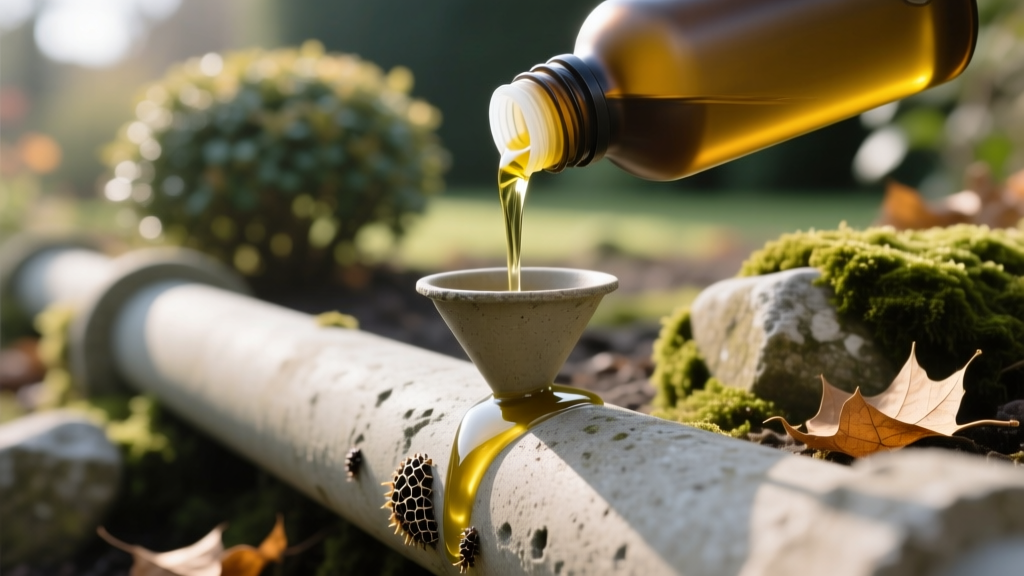
2026 Guide: Dormant Oil Scale Control Near Drain Pipes
James MillerPublished
The Hidden Link Between Landscape Drainage and Scale Infestations
As we navigate the 2026 integrated pest management (IPM) season, homeowners and landscaping professionals are increasingly recognizing the complex relationship between subsurface infrastructure and above-ground pest pressures. Specifically, the presence of failing or poorly maintained landscape drainage pipes can inadvertently trigger severe scale insect infestations on your most valuable ornamental trees and shrubs. To understand why horticultural dormant oil is the premier treatment for this issue, we must first look beneath the soil surface.
Trees planted near French drains, catch basins, and corrugated landscape drainage pipes often experience drastic moisture fluctuations. When a landscape drainage pipe becomes crushed by heavy equipment, clogged with silt, or compromised by invasive tree roots, the surrounding soil becomes saturated. This waterlogged environment leads to soil hypoxia—a condition where plant roots are deprived of oxygen. According to research highlighted by the University of Minnesota Extension, trees suffering from root stress and hypoxia emit specific volatile organic compounds (VOCs). These chemical distress signals act as a beacon, attracting overwintering scale insects that target the compromised sap flow of the stressed tree.
Identifying Scale on Water-Stressed Trees
Before reaching for a spray tank, it is crucial to identify the type of scale insect plaguing your landscape. Scale insects generally fall into two categories: armored scales and soft scales. Armored scales, such as the oystershell scale and pine needle scale, secrete a hard, waxy, removable cover over their bodies. They do not produce honeydew but are incredibly damaging to trees already weakened by poor drainage. Soft scales, like the magnolia scale and lecanium scale, produce copious amounts of sticky honeydew, which promotes the growth of black sooty mold on leaves and nearby hardscapes.
Trees situated directly over shallow landscape drainage pipes are particularly vulnerable to soft scale outbreaks. The fluctuating moisture levels in the trench backfill can cause erratic sap pressure, making it easier for soft scale nymphs to pierce the phloem and feed. In 2026, IPM protocols dictate that treating the pest is only half the battle; addressing the environmental stressor—in this case, subsurface water management—is mandatory for long-term control.
The Science of 2026 Horticultural Dormant Oil
Horticultural dormant oil remains one of the most effective, low-toxicity tools in the pest control arsenal. Modern 2026 formulations are highly refined paraffinic oils that possess extremely low phytotoxicity when used correctly. Unlike systemic chemical insecticides that require active root uptake (a process severely hindered in waterlogged soils near broken drain pipes), dormant oil works entirely through physical contact.
When sprayed onto the bark and branches of deciduous trees and shrubs during their dormant phase, the oil coats the trunks and penetrates the microscopic crevices where scale eggs and nymphs overwinter. The oil essentially suffocates the pests by blocking their spiracles (breathing pores). As noted by Penn State Extension, horticultural oils leave no toxic residue that harms beneficial insects once the spray dries, making them an ideal choice for environmentally sensitive landscapes featuring permeable pavers and eco-friendly drainage systems.
The Threat of Oil Runoff to Landscape Drainage Pipes
While dormant oil is safe for plants and wildlife, it poses a unique mechanical threat to your landscape drainage infrastructure. When you spray a mature oak, maple, or fruit tree, a significant amount of the oil mixture inevitably drips to the ground or washes off during the first spring rains. If your landscape utilizes surface catch basins, atrium grates, trench drains, or exposed French drain gravel, this oil-laden runoff can easily enter the system.
Once inside, the horticultural oil coats the interior walls of corrugated landscape drainage pipes and PVC fittings. While this might seem harmless, the sticky oil residue acts as a powerful magnet for silt, lawn clippings, soil particles, and organic debris. By mid-summer, what was supposed to be a free-flowing drainage pipe becomes a solid, clogged tube. This leads to localized yard flooding, which ironically creates more waterlogged soil, inviting even more scale insects to your trees in a vicious cycle.
Step-by-Step Application and Drainage Protection Protocol
To successfully eradicate scale insects without compromising your subsurface drainage, follow this comprehensive 2026 application protocol:
- Step 1: Inspect and Shield Drainage Grates. Before mixing your spray, locate all catch basins, pop-up emitters, and exposed gravel trenches within a 20-foot radius of the target tree. Cover these entry points with heavy-duty landscaping fabric weighted down with stones, or use specialized magnetic drain covers designed for temporary stormwater protection.
- Step 2: Verify Soil and Air Conditions. Do not apply dormant oil if the soil is currently waterlogged due to a failing drainage pipe, as the tree cannot transpire properly and may suffer bark damage. Ensure daytime temperatures will remain between 40°F and 70°F for at least 24 hours post-application to allow the water carrier to evaporate, leaving only the protective oil film.
- Step 3: Mix and Agitate. For dormant season applications targeting stubborn armored scale, mix the horticultural oil at a 2% to 4% solution rate (typically 5 to 10 fluid ounces of oil per gallon of water). Because oil and water separate quickly, you must use a tank sprayer with a mechanical agitator or continuously shake the tank during application.
- Step 4: Targeted Spray Technique. Spray the tree from the ground up, ensuring thorough coverage of the trunk, main scaffold branches, and branch collars where scale insects prefer to hide. Avoid excessive spraying that causes heavy runoff to pool around the tree's root flare and wash into nearby drainage grates.
Treatment Comparison Chart: Scale Control Methods
| Treatment Method | Target Pest Stage | Drainage Pipe Impact | 2026 Avg. Cost |
|---|---|---|---|
| Horticultural Dormant Oil | Overwintering eggs & nymphs | High risk of clogging if runoff enters grates | $25 - $45 per gallon |
| Neem Oil (Cold-Pressed) | Active crawlers & adults | Moderate risk; degrades faster in soil | $15 - $30 per quart |
| Systemic Soil Drench (Imidacloprid) | Feeding adults & nymphs | Low physical clog risk; high chemical runoff risk | $40 - $60 per bottle |
| Beneficial Insects (Lady Beetles) | Active crawlers | Zero impact on drainage infrastructure | $15 - $25 per 1,500 count |
Post-Application Drainage Pipe Maintenance
Even with careful shielding, some dormant oil runoff may find its way into your landscape drainage pipes. If you suspect oil has entered your system, proactive maintenance is required before the heavy spring rains begin. Flush your corrugated and PVC landscape drainage pipes using a high-pressure water jet or a specialized drainage cleaning solution. Enzymatic pipe cleaners or mild, PVC-safe degreasers can help break down the oily film before it traps spring debris.
Additionally, consider installing inline silt traps or sediment catchments between your surface grates and your main drainage pipes. These traps can be easily removed and cleaned, preventing oil-coated debris from traveling deep into the subterranean corrugated pipes where manual cleaning is nearly impossible.
Conclusion
Managing scale insects in 2026 requires a holistic approach that respects both the biological needs of your trees and the mechanical integrity of your landscape infrastructure. By understanding how poor drainage stresses trees and invites pests, and by carefully applying horticultural dormant oil while protecting your landscape drainage pipes, you can achieve a lush, healthy, and pest-free landscape. Always prioritize IPM strategies, monitor your soil moisture levels, and maintain your drainage systems to ensure your outdoor space thrives season after season.