Pest Control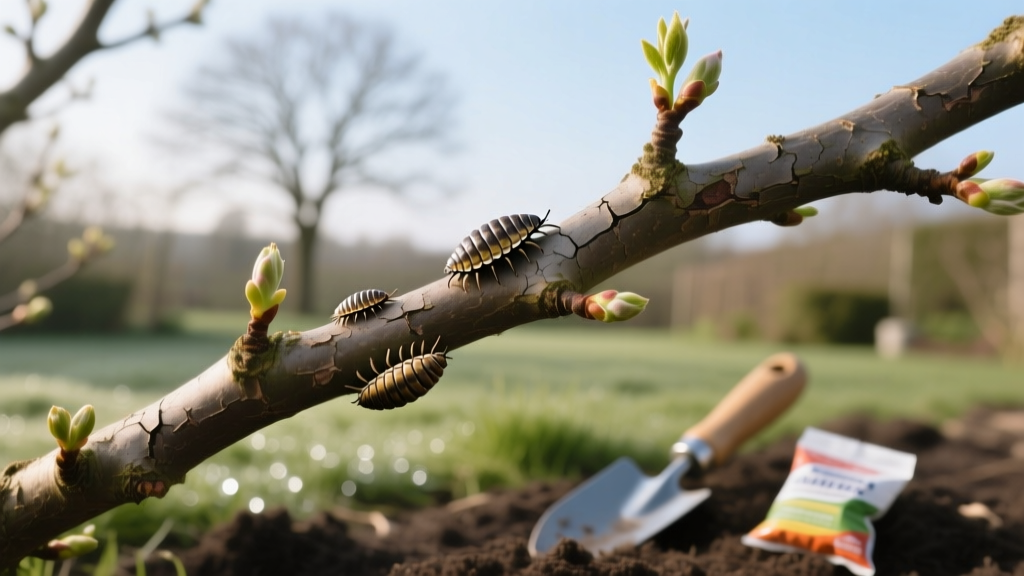
Dormant Oil for Scale & Spring Fertilizer 2026 Guide
Mike RodriguezPublished
The Critical Intersection of Scale Control and Spring Fertilization
As we enter the 2026 growing season, integrated pest management (IPM) and proactive plant nutrition are no longer separate silos in lawn and garden care. One of the most common and destructive pests threatening ornamental trees, shrubs, and fruit-bearing plants is the scale insect. Left unchecked, scale insects drain plant vigor, excrete sticky honeydew that invites sooty mold, and can ultimately kill mature branches. The gold standard for early intervention is the application of a dormant horticultural oil spray. However, applying this oil without considering your early spring fertilizer schedule is a recipe for phytotoxicity and stunted growth.
Many home gardeners and even some landscaping professionals treat pest control and fertilization as isolated tasks. In reality, the chemical interactions between horticultural oils and certain fertilizer types—specifically sulfur-based amendments and liquid foliar feeds—can cause severe leaf and bud burn. Conversely, timing your granular, slow-release fertilizers correctly alongside a dormant oil application ensures that your plants have the exact nutrient reserves required to push out healthy, pest-resistant spring growth immediately after the scale population has been eradicated. This guide will walk you through the precise 2026 schedule for combining dormant oil scale treatments with your spring fertilizer regimen.
Understanding Scale Insects and Dormant Oil Mechanics
Scale insects are generally divided into two categories: armored scales (Diaspididae) and soft scales (Coccidae). Armored scales secrete a hard, waxy shield over their bodies, making them highly resistant to traditional contact insecticides once they mature. Soft scales produce a thinner, waxy layer and excrete copious amounts of honeydew. Both types overwinter as eggs or immature nymphs tucked into the bark crevices of your trees and shrubs.
Horticultural dormant oil works via a purely physical mechanism rather than a chemical one. When sprayed onto dormant wood, the highly refined petroleum or neem-based oil coats the bark and suffocates overwintering scale eggs and adults by blocking their spiracles (breathing pores). Because it relies on physical suffocation, scale insects cannot develop genetic resistance to it, making it a cornerstone of sustainable IPM strategies endorsed by institutions like the University of California Statewide IPM Program.
For the oil to be effective and safe, it must be applied during the late winter or early spring dormant window—typically when daytime temperatures are consistently above 40°F (4°C) but before the plant's buds begin to swell and break. This narrow window of opportunity perfectly overlaps with the first phase of your annual spring fertilizer schedule.
Fertilizer Types: What to Use (and Avoid) with Dormant Oils
When coordinating your 2026 pest and nutrient management plan, the type of fertilizer you use in the weeks surrounding your dormant oil spray is critical. The oil temporarily alters the permeability of the plant's bark and can interact dangerously with certain chemical compounds.
1. Sulfur-Based Fertilizers and Fungicides (Strictly Prohibited)
You must never apply horticultural oil within 30 days of using any sulfur-based fertilizer, soil acidifier, or fungicide (such as lime-sulfur or elemental sulfur). When sulfur and petroleum oils combine in the presence of plant moisture, they undergo a chemical reaction that produces phytotoxic gases. This reaction will severely burn the cambium layer of your trees and destroy emerging buds. According to Penn State Extension, this sulfur-oil interaction remains one of the most common causes of accidental landscape plant damage in early spring.
2. Liquid Foliar Fertilizers (High Risk)
Liquid foliar feeds (such as water-soluble kelp extracts or synthetic liquid NPK blends) rely on open stomata and permeable leaf tissue for absorption. Dormant oils are specifically designed to coat and seal plant surfaces. Applying a foliar fertilizer too close to an oil spray will result in the fertilizer being locked out of the plant, while the concentrated salts in the liquid feed can become trapped against the bark under the oil layer, leading to severe osmotic burn. Keep foliar feeding out of your schedule until at least three weeks after your final oil application and once leaves have fully expanded.
3. Granular Slow-Release and Organic Fertilizers (Safe & Recommended)
Soil-applied granular fertilizers are entirely safe to use in conjunction with dormant oil sprays. In fact, they are highly recommended. By applying a slow-release, granular tree and shrub fertilizer to the soil root zone just as you apply your dormant oil, you ensure that the nutrients begin breaking down and entering the root system exactly when the plant breaks dormancy. This provides the plant with the phosphorus and potassium needed for strong root and cellular development, allowing it to naturally compartmentalize and heal the microscopic feeding wounds left behind by the now-dead scale insects.
Your 2026 Integrated Dormant Oil & Fertilizer Schedule
To maximize scale control and plant vigor, follow this phased schedule. Timing is based on late winter/early spring indicators rather than strict calendar dates, as microclimates vary.
| Phase & Timing | Plant Indicator | Pest Control Action (Scale) | Fertilizer Action |
|---|---|---|---|
| Phase 1: Late Winter (Feb - Early Mar) | Deep dormancy; leaves dropped; buds tight and hard. | Apply Dormant Horticultural Oil (2.5 to 5 tbsp per gallon of water). Drench all bark and branch crotches. | Apply granular slow-release organic fertilizer (e.g., Espoma Tree-tone) to the drip line. Water in deeply. |
| Phase 2: Bud Swell (Mid Mar) | Buds are swelling and showing color, but not yet open. | STOP dormant oil applications to prevent bud smothering. Monitor for crawler emergence. | No fertilizer action. Allow soil microbes to process the Phase 1 granular application. |
| Phase 3: Spring Flush (April) | Leaves are unfolding and expanding rapidly. | If soft scale crawlers appear, use insecticidal soap or summer-weight neem oil (avoid heavy oils). | Begin liquid foliar feeding or apply a balanced water-soluble fertilizer to support the new flush. |
Top Product Pairings for the 2026 Season
Selecting the right products ensures compatibility and efficacy. Here are the top recommended pairings for scale control and spring fertilization available in 2026:
The Organic IPM Pairing
- Pest Control: Bonide All-Seasons Horticultural & Dormant Insect Spray. This highly refined mineral oil is safe for most ornamentals and fruit trees when used at the dormant rate. (Estimated 2026 cost: $16 - $20 per quart concentrate).
- Fertilizer: Jobe's Organics Tree & Shrub Fertilizer Spikes (NPK 3-5-5). The higher phosphorus content promotes robust root and bark development without pushing excessive, vulnerable leafy growth too early. (Estimated 2026 cost: $12 - $15 per box).
The Heavy-Feeder Ornamental Pairing
- Pest Control: Monterey Horticultural Oil. Known for its excellent spreader-sticker properties, ensuring complete coverage of armored scale shields on dense shrubs like Euonymus and Holly. (Estimated 2026 cost: $18 - $24 per quart).
- Fertilizer: Espoma Tree-tone (6-3-2). A premium, slow-release granular organic fertilizer containing Bio-tone microbes. It breaks down steadily in the soil, providing a long-term nutrient base that supports the plant's natural immune responses against secondary pests. (Estimated 2026 cost: $22 - $28 per 8lb bag).
Expert Tips for Maximizing Application Success
To ensure your 2026 scale control and fertilization efforts yield a lush, pest-free landscape, keep these professional tips in mind:
- Test for Sensitivity: Some plants, such as Japanese Maples (Acer palmatum), Blue Spruce (Picea pungens), and certain varieties of photinia, are highly sensitive to horticultural oils. Always check the product label for contraindications before spraying.
- Hydrate Before You Spray and Feed: Never apply dormant oil or granular fertilizers to drought-stressed plants. If the winter has been unusually dry, deep-water the root zone of your trees and shrubs 48 hours before your scheduled application.
- Prune First, Spray Second: Complete your late-winter structural pruning before applying the dormant oil. This removes heavily infested, dead, or dying branches where scale populations are most concentrated, and it opens up the canopy so the oil spray can reach the inner crotches where pests hide.
- Agitate the Tank: Horticultural oils must be continuously agitated in your pump sprayer to maintain a uniform emulsion with water. If the oil separates, you risk spraying pure oil onto one branch (causing burn) and plain water onto another (failing to kill the scale).
2026 IPM Reminder: Eradicating scale insects is only half the battle. A plant weakened by years of scale feeding requires a steady, balanced diet of macro and micronutrients to rebuild its vascular tissue. By synchronizing your dormant oil sprays with a targeted, slow-release granular fertilizer schedule, you transition your garden from a state of survival to a state of thriving resilience.
By respecting the chemical boundaries between pest control sprays and specific fertilizer types, and by leveraging the natural synergy between soil nutrition and plant defense, your landscape will emerge from the 2026 spring season stronger, healthier, and entirely scale-free.