Pest Control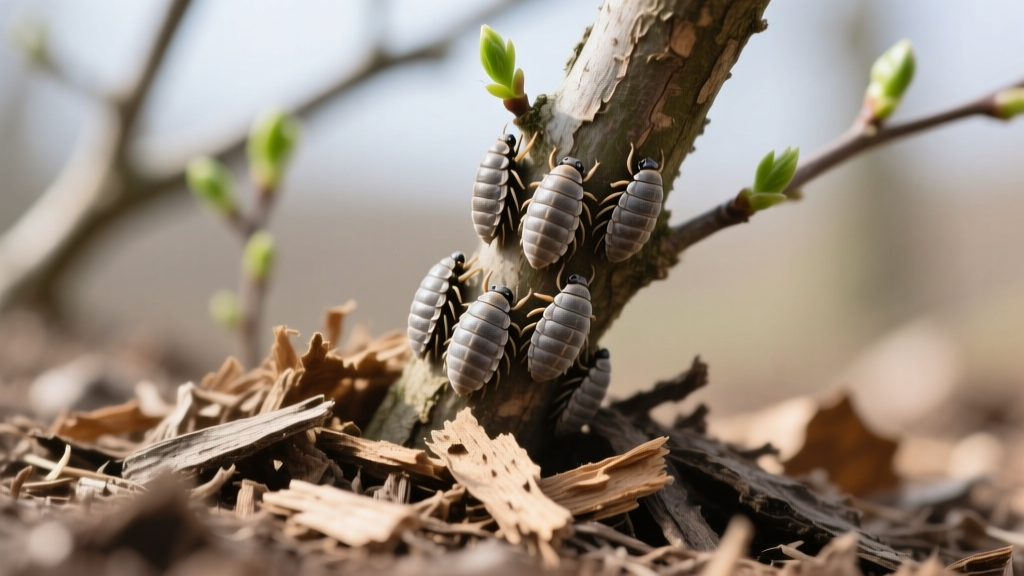
2026 Scale Control: Dormant Oil & Mulch Strategies
Robert HayesPublished
The 2026 Integrated Approach to Scale Insect Management
As we navigate the 2026 growing season, landscape professionals and home gardeners alike are facing increasingly resilient populations of scale insects. These sap-sucking pests, including the notorious Euonymus scale, Oystershell scale, and Magnolia scale, can devastate ornamental shrubs and trees if left unchecked. While many gardeners immediately reach for systemic chemical treatments, modern Integrated Pest Management (IPM) emphasizes a more holistic, environmentally responsible strategy. The most effective protocol for eradicating overwintering scale populations involves a precise combination of horticultural oil dormant sprays and strategic mulching methods.
From the perspective of mulching methods and materials, the ground cover surrounding your trees and shrubs is not merely decorative; it is a critical microenvironment that can either harbor scale insects or aid in their destruction. Applying a dormant oil spray without first addressing the mulch layer is a common and costly mistake. In this comprehensive guide, we will explore how to integrate dormant horticultural oil applications with proper mulch management to achieve total scale control in 2026.
The Hidden Link Between Mulch Materials and Scale Insects
To understand why mulching methods matter, we must first look at the lifecycle of scale insects. According to the University of California Integrated Pest Management Program, many scale species overwinter as nymphs or fertilized females on the bark of host plants, but they also frequently drop into the detritus layer and shallow soil to seek shelter from freezing temperatures.
When mulch is applied incorrectly—most notably in the form of 'mulch volcanoes' piled high against the trunk of a tree—it creates a humid, insulated microclimate. This environment not only promotes fungal diseases and bark rot but also provides a perfect winter haven for scale insects. Thick layers of decaying hardwood mulch can harbor crawlers and protect them from the freezing temperatures that would otherwise reduce their populations naturally. If you apply a dormant oil spray to the upper branches but ignore the mulch-covered root flare, you are leaving a massive reservoir of pests untouched, guaranteeing a reinfestation by late spring.
Horticultural Oil: The Dormant Spray Solution
Horticultural oils, often referred to as dormant oils when applied in late winter or early spring, are highly refined mineral oils or plant-based oils (such as neem or canola). They work primarily by suffocating insects and their eggs, coating the pests and blocking their spiracles (breathing pores). The Penn State Extension notes that horticultural oils are highly effective against armored and soft scale insects because they penetrate the microscopic gaps in the insect's protective waxy coating.
For the 2026 season, highly refined paraffinic oils are the industry standard for dormant applications. These modern formulations are lighter, less likely to cause phytotoxicity (plant damage), and break down faster in the environment compared to older, heavier petroleum distillates. However, their efficacy is entirely dependent on direct contact with the pest. This is where your mulching strategy becomes the linchpin of your pest control efforts.
Step-by-Step IPM Protocol: Integrating Mulch and Oil
To successfully eliminate scale insects, you must synchronize your mulch management with your dormant spray schedule. Follow this step-by-step protocol in late winter or early spring (typically February to early March, depending on your hardiness zone) before bud break occurs.
Step 1: Winter Mulch Assessment and Removal
Before mixing your horticultural oil, you must expose the lower trunk and root flare of the affected plant. Using a steel leaf rake or a gloved hand, carefully pull back all mulch, leaf litter, and decaying organic matter to a distance of at least 12 to 18 inches from the trunk. This accomplishes two goals: it exposes overwintering scale nymphs hiding at the base of the plant, and it prevents the mulch from absorbing the oil spray, which would render the chemical useless and potentially harm beneficial soil microbes.
Step 2: Mixing and Applying the Dormant Oil
Mix your horticultural oil according to the manufacturer's dormant-season rates, which typically require a 2% to 4% solution (roughly 5 to 10 tablespoons of oil per gallon of water). Add an emulsifier or use a pre-emulsified commercial product to ensure the oil mixes thoroughly with water. Spray the entire plant, starting from the exposed lower trunk and root flare, and working your way up to the canopy. Ensure thorough coverage of all bark crevices and branch crotches where scale insects congregate. The ambient temperature must be above 40°F (4°C) and expected to stay above freezing for at least 24 hours to allow the water to evaporate, leaving a thin, lethal film of oil over the pests.
Step 3: Debris Disposal and Soil Treatment
The mulch and leaf litter you raked back may be contaminated with scale eggs and honeydew (the sticky, sugary excrement produced by soft scales that promotes sooty mold). Do not simply push this material back against the trunk. If the infestation was severe, bag and dispose of the old mulch. If the infestation was mild, you can compost the material in a hot compost pile that reaches at least 140°F to kill any remaining pests.
Step 4: Re-Mulching with Scale-Resistant Materials
Once the oil spray has dried completely (usually 24 hours), it is time to re-mulch. The choice of mulch material in 2026 is critical for ongoing IPM. Avoid piling any mulch against the bark. Maintain a flat, even layer 2 to 3 inches deep, keeping it strictly away from the trunk to maintain the 'donut' shape that promotes tree health and pest exposure.
Mulch Material Comparison for Scale-Prone Gardens
Not all mulch materials interact with pest populations in the same way. Below is a comparison chart to help you select the best mulching materials for landscapes prone to scale insect outbreaks.
| Mulch Material | Scale Harboring Risk | Moisture Retention | 2026 IPM Recommendation |
|---|---|---|---|
| Shredded Hardwood | High | High | Avoid near susceptible shrubs; decomposes slowly and mats together, creating deep, humid harboring zones for crawlers. |
| Pine Straw | Medium | Medium | Excellent for acid-loving plants; allows better air circulation than hardwood, but must still be raked back before spraying. |
| Cedar Chips | Low | Low | Highly recommended; contains natural aromatic oils (thujone) that act as a mild repellent to many soft-bodied insects and crawlers. |
| Compost / Leaf Mold | Low | High | Use as a thin top-dress for soil health; does not provide structural harbor for scale, but keep away from direct bark contact. |
| Inorganic Gravel | None | None | Ideal for xeriscaping and severe IPM zones; eliminates organic harboring sites entirely, though it offers no soil nutrition. |
Common Mulching and Spraying Mistakes to Avoid
Even with the best intentions, gardeners often sabotage their scale control efforts through improper execution. Avoid these common mistakes in 2026:
- Spraying Over Mulch Volcanoes: Spraying horticultural oil over a pile of mulch at the base of a tree wastes product and fails to reach the bark where the scale insects are actually feeding and overwintering.
- Ignoring Honeydew Residue: Soft scale insects excrete honeydew, which drips onto the mulch below and attracts ants. Ants will actively farm and protect scale insects from predators. If your mulch is coated in sticky honeydew and sooty mold, it must be removed and replaced after your dormant spray.
- Applying Oil in Extreme Temperatures: Dormant oils can cause severe tissue damage if applied when temperatures are below freezing or if a sudden warm spell pushes temperatures above 80°F (27°C) shortly after application. Always check the 2026 local forecast before spraying.
- Using Dyed Mulches: Artificially dyed red or black mulches often contain unknown chemical binders and are typically made from recycled construction wood. These materials can stress plants, making them more susceptible to scale infestations in the first place. Stick to natural, undyed organic materials or cedar.
Conclusion: A Unified Strategy for 2026
Effective pest control is rarely about a single silver bullet; it is about creating an environment where pests cannot thrive. By viewing your landscape through the lens of mulching methods and materials, you transform a simple ground cover into an active component of your pest management strategy. The integration of horticultural oil dormant sprays with meticulous mulch removal, targeted application, and strategic re-mulching using materials like cedar chips provides a robust, eco-friendly defense against scale insects.
As the Clemson University Home & Garden Information Center emphasizes, proper mulching techniques are foundational to overall plant vigor. A vigorous, stress-free plant is naturally more resistant to severe scale damage. By adopting this integrated mulch-and-spray protocol in early 2026, you will smother overwintering populations, disrupt the lifecycle of the scale, and set your ornamental trees and shrubs up for a healthy, pest-free growing season.