Gardening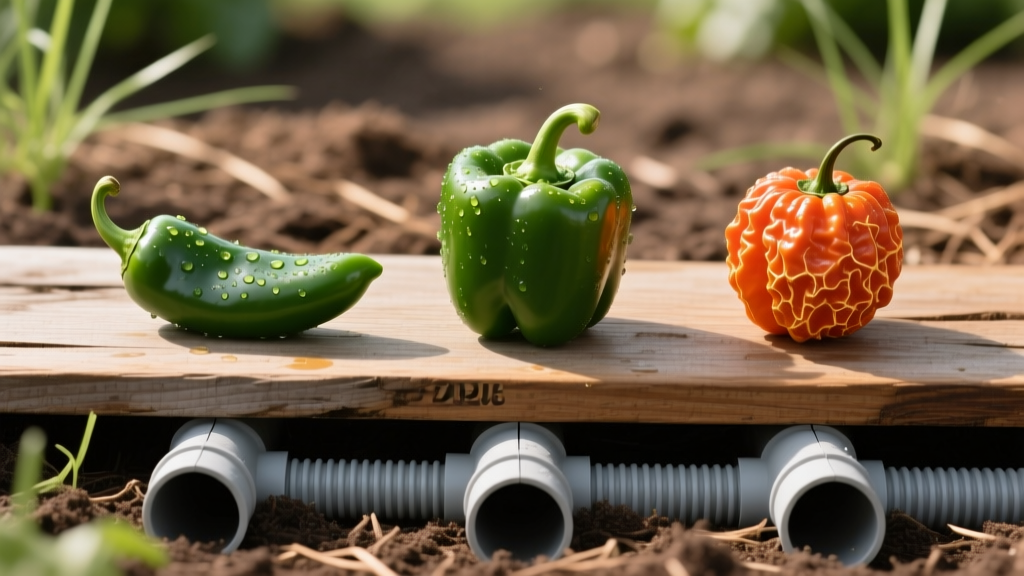
2026 Pepper Guide: Jalapeno vs Bell vs Habanero Drainage
Anna KowalskiPublished
The Critical Role of Landscape Drainage Pipes in 2026 Pepper Cultivation
As we navigate the unpredictable spring downpours and shifting climate patterns of 2026, home gardeners and small-scale market farmers are facing a common enemy: waterlogged soil. When it comes to cultivating peppers, the phrase 'wet feet' is a death sentence. Peppers are notoriously susceptible to root rot, fungal pathogens, and oxygen deprivation when soil remains saturated for more than 24 hours. While amending soil with compost and perlite helps, the ultimate solution for heavy clay soils or low-lying garden zones is the strategic installation of subsurface landscape drainage pipes.
But not all peppers are created equal. The water requirements, root zone depths, and drainage tolerances vary drastically between Jalapeno, Bell, and Habanero varieties. In this comprehensive 2026 guide, we will compare the specific moisture needs of these three popular peppers and provide an actionable blueprint for utilizing landscape drainage pipes—such as perforated corrugated tubing and PVC French drains—to create the perfect subterranean hydrological environment for your crop.
Jalapeno vs. Bell vs. Habanero: Moisture and Root Zone Profiles
To design an effective drainage pipe layout, you must first understand the physiological differences between your pepper plants. According to North Carolina State University Extension, peppers generally require consistent moisture but demand exceptional drainage to thrive. Let us break down the three major varieties.
Jalapeno Peppers (Capsicum annuum)
Jalapenos are the workhorses of the home garden. They possess a relatively shallow to moderate root system, typically concentrated in the top 12 to 18 inches of soil. Because their roots do not dive exceptionally deep, they are highly vulnerable to surface-level water pooling. Jalapenos require consistent moisture to produce thick-walled, fiery pods, but they will rapidly succumb to Phytophthora blight if the topsoil remains soggy. For Jalapenos, shallow-grade landscape drainage pipes wrapped in geotextile fabric are essential to wick away excess surface water without drying out the deeper soil profile.
Bell Peppers (Capsicum annuum)
Bell peppers are heavy feeders and heavy drinkers. They develop a more robust root system that can reach depths of 24 inches or more in loose, well-aerated soil. The primary challenge with Bell Peppers is Blossom End Rot (BER), a calcium deficiency often triggered by erratic watering schedules and poor soil drainage that damages root hairs. When roots sit in stagnant water, they cannot uptake calcium, leading to ruined fruit. Research from Penn State Extension highlights that maintaining even soil moisture through deep, well-drained beds is the best defense against BER. Deep-trench French drains utilizing 4-inch landscape drainage pipes are highly recommended for Bell Pepper rows.
Habanero Peppers (Capsicum chinense)
Originating from tropical climates with distinct wet and dry seasons, Habaneros are remarkably drought-tolerant once established. They develop a deep taproot and despise waterlogged conditions above all else. Overwatering a Habanero not only invites root rot but also dilutes the capsaicin concentration, resulting in less flavorful and less spicy peppers. Habaneros require fast-draining, almost sandy soil profiles. In heavy soils, installing aggressive, high-flow perforated drainage pipes surrounded by coarse gravel is mandatory to ensure water exits the root zone within hours of a heavy rainstorm.
Selecting the Right Landscape Drainage Pipe for Pepper Beds
In 2026, the market for landscape drainage solutions has evolved, offering durable, eco-friendly, and highly efficient piping systems. When designing a drainage network for pepper cultivation, consider the following materials:
- Corrugated Perforated Pipe (ADS N-12): Flexible and easy to route around curved garden beds. The 4-inch diameter is standard for agricultural and garden French drains. It must be wrapped in non-woven geotextile fabric to prevent silt from clogging the perforations over time.
- SDR 35 PVC Pipe: Rigid and incredibly durable. While harder to install in tight spaces, smooth-walled PVC with custom-drilled weep holes is preferred for long-term, permanent raised bed installations where soil shifting might crush corrugated alternatives.
- Geotextile Drainage Fabric: An absolute necessity in 2026. Modern non-woven fabrics allow water to permeate while blocking clay particles and root intrusion, ensuring your drainage pipe functions flawlessly for decades.
Step-by-Step Drainage Pipe Installation for Pepper Rows
Proper yard and garden drainage, as outlined by University of Minnesota Extension, relies on gravity and proper trench grading. Follow these steps to install a subsurface drainage system tailored for your pepper garden:
- Map the Grade: Use a laser level to determine the natural slope of your garden. Your drainage pipe must maintain a minimum slope of 1/8 inch per foot to ensure gravity pulls water away from the pepper roots.
- Trenching: For Bell Peppers, dig a trench 24 inches deep and 12 inches wide. For Jalapenos and Habaneros, a depth of 18 inches is usually sufficient. Place the trench parallel to your planting rows, offset by about 12 inches to avoid damaging the central taproot during planting.
- The Gravel Base: Lay down a 3-inch base of washed, angular 3/4-inch gravel. Avoid rounded pea gravel, as it does not lock together and can shift under the weight of wet soil.
- Pipe Placement: Lay your 4-inch perforated landscape drainage pipe on top of the gravel base. Ensure the perforations are facing downward or to the sides. This counter-intuitive placement prevents topsoil from washing directly into the holes, allowing water to percolate through the gravel and enter the pipe from the bottom up.
- Cover and Protect: Wrap the pipe and gravel in your geotextile fabric, creating a 'burrito' effect. Cover the top with an additional 4 inches of gravel, then fold the fabric over the top to seal it.
- Backfill: Fill the remaining trench with a mix of native soil and coarse compost, mounding it slightly above grade to create a raised planting row for your peppers.
Comparative Data Table: Pepper Drainage Requirements
| Pepper Variety | Root Zone Depth | Water Tolerance | Ideal Pipe Depth | Drainage Speed Required |
|---|---|---|---|---|
| Jalapeno | 12 - 18 inches | Moderate (Prone to rot) | 14 - 18 inches | Moderate (24-hour clearing) |
| Bell Pepper | 18 - 24+ inches | High (Needs consistent moisture) | 20 - 24 inches | Slow/Steady (Prevents BER) |
| Habanero | 24+ inches (Taproot) | Low (Highly drought tolerant) | 18 - 24 inches | Rapid (4-hour clearing) |
2026 Maintenance and Climate Adaptation
Installing landscape drainage pipes is not a 'set it and forget it' task, especially as 2026 brings more frequent and intense micro-storms. To ensure your pepper crops thrive season after season, incorporate these maintenance routines:
- Annual Flushing: In early spring, before transplanting your pepper seedlings, use a garden hose with a high-pressure nozzle to flush out the drainage pipes. This clears any fine silt or organic matter that may have bypassed the geotextile fabric over the winter.
- Root Barrier Monitoring: While pepper roots are generally not aggressive enough to crush 4-inch PVC or heavy-duty corrugated pipes, it is wise to inspect the pipe outlets in late summer. If you see root hairs emerging from the pipe exit, trim them back to prevent internal clogging.
- Top-Dressing: As the soil settles over the drainage trench, the planting mound may sink. Add a 2-inch layer of organic compost mid-season to maintain the elevated grade, ensuring surface water continues to flow toward the gravel-filled trench rather than pooling at the base of your Jalapeno or Habanero stems.
Conclusion
Mastering pepper cultivation in 2026 requires more than just selecting the right fertilizer or pruning technique; it demands a fundamental understanding of subterranean hydrology. By recognizing the distinct differences between the shallow-rooted Jalapeno, the moisture-hungry Bell Pepper, and the drought-loving Habanero, you can strategically deploy landscape drainage pipes to engineer the perfect soil environment. Whether you are utilizing flexible corrugated tubing or rigid PVC French drains, investing in proper subsurface drainage is the ultimate insurance policy against root rot, fungal diseases, and erratic weather. Implement these drainage strategies this season, and watch your pepper yields soar to unprecedented heights.
