
Landscaping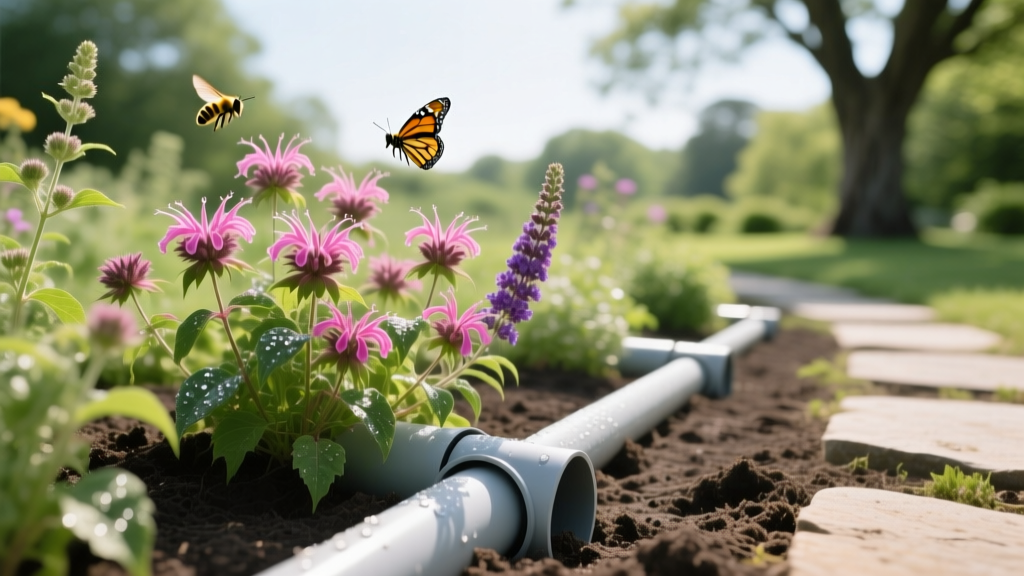
2026 Pollinator Garden Drainage: Bee Balm & Butterfly Bush
Lisa ThompsonPublished
The 2026 Approach to Ecological Drainage and Pollinator Habitats
As we navigate the 2026 landscaping season, the integration of functional hardscaping with ecological garden design has become a top priority for environmentally conscious homeowners. One of the most rewarding landscape projects you can undertake is establishing a vibrant pollinator garden. However, a common hurdle that derails these beautiful habitats is poor soil drainage. When heavy spring rains or persistent irrigation leave garden beds waterlogged, the root systems of even the hardiest pollinator-friendly plants can suffocate and rot. This is where the strategic installation of landscape drainage pipes becomes an absolute game-changer. By utilizing subsurface drainage solutions, such as French drains and perforated corrugated pipes, you can transform a soggy, unusable yard corner into a thriving sanctuary for bees, butterflies, and hummingbirds. In this comprehensive guide, we will explore exactly how to design, install, and plant a pollinator garden featuring two powerhouse species—bee balm (Monarda) and butterfly bush (Buddleja)—while relying on modern landscape drainage pipes to maintain perfect soil moisture levels.
Understanding Your Star Plants: Bee Balm and Butterfly Bush
To design a successful garden bed, you must first understand the specific hydrological needs of your chosen plants. Bee balm and butterfly bush are cornerstones of the modern pollinator garden, but they have distinctly different relationships with water and soil moisture.
Bee Balm (Monarda didyma)
Bee balm is a native perennial beloved by bumblebees, hummingbirds, and swallowtail butterflies. It naturally thrives in moist, rich soils often found near woodland edges or stream banks. However, 'moist' does not mean 'waterlogged.' When bee balm is forced to sit in standing water or heavily compacted, poorly draining clay soils, it becomes highly susceptible to root rot and severe powdery mildew. Proper subsurface drainage ensures the soil retains adequate moisture without drowning the delicate root crown, allowing for vigorous growth and continuous summer blooms.
Butterfly Bush (Buddleja davidii)
Conversely, the butterfly bush is a drought-tolerant, sun-loving shrub that acts as a magnet for migrating monarchs and painted ladies. The most critical rule for growing butterfly bush in 2026 is that it absolutely requires well-draining soil. If planted in a depression where water pools, or in heavy clay without drainage amendments, a butterfly bush will quickly succumb to root asphyxiation and die. Furthermore, modern ecological guidelines strongly recommend planting sterile, non-invasive cultivars (such as the Flutterby or Lo & Behold series) to prevent the plant from spreading into local wild habitats, a standard heavily promoted by National Wildlife Federation's Garden for Wildlife program.
Selecting the Best Landscape Drainage Pipe for Garden Beds
When routing water away from your pollinator garden, choosing the right landscape drainage pipe is critical. You are essentially building a modified French drain system tailored for a planted environment. In 2026, landscapers and DIYers primarily choose between two types of piping for garden bed applications:
- Corrugated HDPE Pipe with a Geotextile Sock: This flexible, perforated pipe is lightweight, easy to curve around organic garden bed shapes, and highly effective at capturing subsurface water. The pre-attached fabric 'sock' is essential for garden beds, as it prevents fine topsoil and compost particles from clogging the perforations over time.
- Rigid PVC Pipe (Schedule 20 or 40): While more difficult to install in curved beds, rigid PVC with drilled weep holes offers superior structural integrity. It is ideal if your drainage trench will be subjected to heavy foot traffic or if you are running the pipe under a nearby stone pathway or hardscape feature.
For a standard pollinator garden bed, a 4-inch diameter corrugated HDPE pipe with a non-woven geotextile wrap is the industry standard. It provides ample water flow capacity for heavy rainfall events while remaining unobtrusive beneath the soil surface. Current 2026 pricing for high-quality, recycled-material HDPE drainage pipe averages $1.50 to $2.50 per linear foot, making it an affordable investment for the longevity of your garden.
Step-by-Step Drainage Pipe Installation for Pollinator Beds
Installing a drainage pipe in a designated garden bed requires careful planning to ensure you do not create dry spots for your moisture-loving plants while simultaneously protecting your drought-tolerant shrubs. Follow these actionable steps for a flawless installation:
- Map the Trench and Outlet: Identify the lowest point in your yard where water naturally pools. Plan your trench to run through the back or center of your proposed pollinator bed, sloping gently toward a daylight outlet, a dry well, or a municipal storm drain. Ensure you have the legal right to discharge water to your chosen outlet.
- Dig the Trench: Excavate a trench that is 12 to 18 inches deep and 10 to 12 inches wide. The depth is crucial; it must sit below the primary root zone of your bee balm and butterfly bush to intercept groundwater before it reaches the root crowns.
- Establish the Slope: Water will not flow without gravity. Use a line level or a laser level to ensure your trench maintains a minimum slope of 1/8 inch per foot (ideally 1/4 inch per foot) toward the outlet.
- Lay the Gravel Base: Add a 2-inch layer of washed, angular drainage gravel (typically 3/4-inch crushed stone) to the bottom of the trench. Avoid pea gravel, as its rounded edges compact and hinder water flow.
- Position the Pipe: Lay your 4-inch perforated corrugated pipe on top of the gravel base. Crucially, ensure the perforations (the holes) are facing downward. This counterintuitive placement allows water to seep up into the pipe from the saturated gravel bed, keeping the pipe cleaner and reducing sediment buildup.
- Cover and Backfill: Cover the pipe with another 3 to 4 inches of washed gravel. Then, fold the excess geotextile fabric over the gravel to create a sealed envelope. Finally, backfill the remaining trench with a highly amended, well-draining garden soil mix (50% native soil, 30% coarse sand, 20% organic compost) to prepare for planting.
Garden Design and Plant Placement Strategy
Once your landscape drainage pipe is installed and the trench is backfilled, it is time to design the layout of your pollinator garden. The key to success is micro-zoning your plants based on their proximity to the drainage trench and their natural moisture preferences. According to guidelines from The Xerces Society for Invertebrate Conservation, providing a diverse structure of blooms at varying heights and moisture zones maximizes the habitat value for local pollinators.
| Plant Variety | Moisture Preference | Drainage Proximity | Primary Pollinator Target |
|---|---|---|---|
| Monarda didyma (Bee Balm) | Moderate to High | 12-18 inches from pipe trench | Hummingbirds, Bumblebees, Sphinx Moths |
| Buddleja davidii (Butterfly Bush) | Low to Moderate | 24+ inches from pipe trench (on mounds) | Monarchs, Swallowtails, Fritillaries |
| Echinacea purpurea (Coneflower) | Low to Moderate | 18-24 inches from pipe trench | Native Bees, Butterflies, Goldfinches (seed) |
Plant your bee balm slightly closer to the drainage trench or in the lower-lying areas of the bed where the soil naturally retains a bit more moisture after a heavy rain. The perforated pipe will ensure that even in these lower zones, the water table is artificially lowered, preventing the dreaded 'wet feet' that cause mildew. Conversely, plant your sterile butterfly bush cultivars on slight berms or mounds at the outer edges of the garden bed, furthest from the drainage pipe's primary water collection zone. This elevated positioning guarantees rapid surface runoff and bone-dry root conditions during winter dormancy, which is vital for the shrub's survival.
Sustainable Maintenance and Long-Term Care
A pollinator garden integrated with subsurface drainage requires specific maintenance routines to keep both the plants and the hardscaping functioning optimally. In early spring, before new growth emerges, flush your landscape drainage pipes with a garden hose to clear out any silt or organic debris that may have migrated through the soil profile over the winter. This simple 10-minute task ensures your system is ready for heavy spring downpours.
For the plants, avoid using synthetic pesticides or neonicotinoid insecticides, as these will devastate the very pollinators you are trying to attract. Instead, rely on the healthy, well-drained soil environment you have created to foster strong plant immune systems. Bee balm should be divided every three to four years in the fall or early spring to maintain vigorous blooming and prevent the center of the clump from dying out. By combining the engineering reliability of modern landscape drainage pipes with the ecological beauty of bee balm and butterfly bush, your 2026 garden will not only solve your yard's water issues but also serve as a vital, buzzing refuge for local wildlife for decades to come. For more advanced techniques on managing yard runoff while supporting local ecosystems, the University of Minnesota Extension on Rain Gardens and Drainage offers excellent regional planting plans and hydrological data.

