Gardening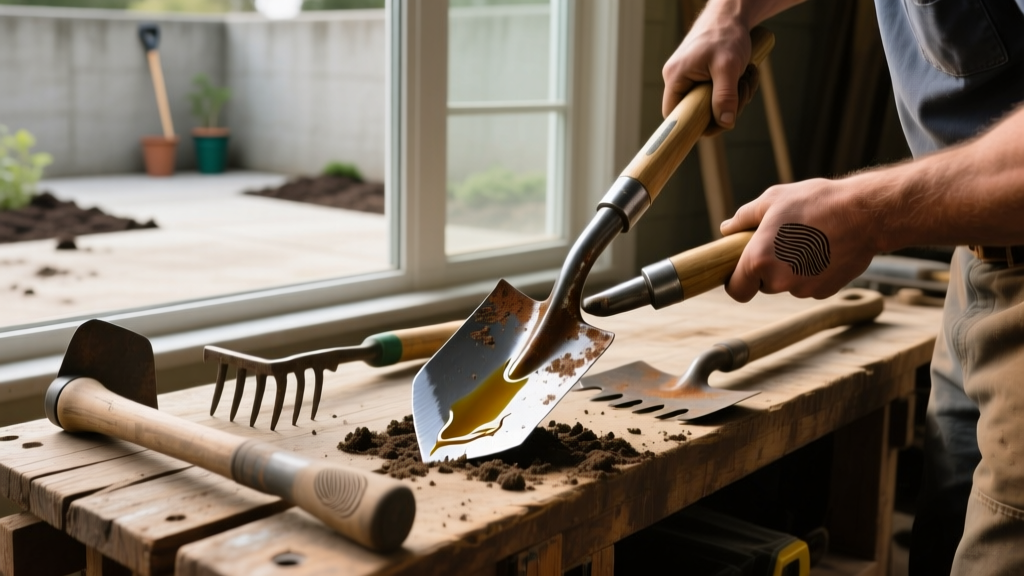
Drainage Trenching Tool Care: Sharpen & Oil Guide 2026
Emily WatsonPublished
The Drainage Contractor's Reality: Why Trenching Destroys Tools
As a landscape drainage contractor, my daily life revolves around French drains, catch basins, and laying hundreds of feet of corrugated and PVC drainage pipe. Trenching through wet clay, compacted gravel, and rocky soil is notoriously brutal on hand tools. When you are digging a 12-inch deep trench to ensure a proper 1/8-inch-per-foot slope for a 4-inch drainage pipe, standard garden trowels and spades simply will not survive. You need specialized trenching shovels, heavy-duty mattocks, and trenching hoes. However, the high-moisture, high-friction environment of a drainage trench accelerates rust and dulls edges at an alarming rate.
In 2026, with soil conditions becoming increasingly unpredictable due to shifting weather patterns and heavier spring downpours, maintaining your trenching arsenal is no longer optional. A dull sharpshooter shovel doesn't just slow down your pipe installation; it ruins the clean, flat trench profile required for proper pipe bedding, leading to sagging drainage lines and system failure. According to experts at Penn State Extension, regular sharpening and oiling of hand tools reduces user fatigue by up to 40% and extends tool lifespan by several years. Here is the definitive 2026 guide to sharpening and oiling hand tools from the perspective of a landscape drainage pipe installer.
Essential Hand Tools for Drainage Pipe Installation
Before we discuss maintenance, we must identify the tools that take the most abuse when installing landscape drainage pipes:
- Sharpshooter Shovels (Trenching Shovels): The narrow, pointed blade is designed to cut straight down and square off trench walls so your corrugated pipe sits flat against the earth.
- Cutter Mattocks: Essential for breaking up heavily compacted clay and severing thick roots before you begin laying the washed gravel base.
- Trenching Hoes (Azadas): Used for pulling loose soil out of the trench and grading the bedding sand around pipe joints.
- Hori Hori Soil Knives: The drainage contractor's secret weapon for precision grading, slicing through geotextile fabric, and cleaning mud out of pipe perforations.
Step-by-Step Sharpening for Trenching Blades
Sharpening a trenching shovel is different from sharpening a standard garden spade. Because you are striking rocks and slicing through abrasive soil while laying drainage pipe, the edge must be durable, not razor-thin.
1. The Sharpshooter Shovel (30-Degree Bevel)
For trenching shovels, aim for a 30-degree bevel. A steeper angle prevents the edge from rolling when you strike hidden rocks in the trench. Secure the shovel in a vise. Using a 10-inch mill bastard file, push the file away from your body in smooth, diagonal strokes. As noted by The Old Farmer's Almanac, always file in one direction and lift the file on the return stroke to preserve the file's teeth. For 2026's newer PTFE-coated drainage shovels, avoid angle grinders, as the heat will strip the non-stick coating; stick to hand files or low-speed diamond whetstones.
2. Cutter Mattocks and Pickaxes
Mattocks take a massive beating when breaking up caliche or rocky soil prior to pipe placement. Use an angle grinder equipped with a 60-grit flap disc to reshape the beveled cutting edge. Keep the grinder moving to avoid overheating the steel, which will draw the temper and make the metal too soft to hold an edge in a rocky trench.
3. Hori Hori Knife for Precision Pipe Bedding
Your soil knife needs a sharper edge for slicing drainage fabric and trimming pipe fittings. Use a dual-sided diamond sharpening stone. Start with the coarse side (400 grit) to establish the edge, then hone it on the fine side (1000 grit) until it can easily shave a piece of paper. This ensures clean cuts when wrapping your drainage pipe in geotextile fabric.
Oiling and Rust Prevention in High-Moisture Trenches
Water is the enemy of steel, and drainage trenches are essentially temporary rivers. Standard WD-40 is a solvent, not a long-term protectant; it will wash away the moment you hit a wet clay layer. In 2026, professional drainage crews rely on advanced bio-lanolins and heavy-duty fluid films to protect their investments.
Blade Protection: The Sand-and-Oil Bucket Method
The classic sand-and-oil bucket remains a staple on our trucks, but we have updated the formula. Fill a 5-gallon bucket with coarse builder's sand. Instead of traditional motor oil, which is toxic to the soil and harmful to the lawn above the drainage line, we use a 2026 bio-based lanolin spray or boiled linseed oil (BLO). Plunge your cleaned shovel or hoe into the oiled sand a dozen times at the end of the day. The sand acts as a mild abrasive to remove clay, while the oil leaves a thick, water-resistant barrier that prevents rust and stops wet clay from sticking to the blade the next morning.
Handle Care: Fiberglass vs. Hickory
While many 2026 professional drainage tools feature fiberglass handles that require zero maintenance, traditional hickory handles are still preferred by many contractors for their shock absorption when swinging a mattock. To prevent hickory handles from splintering and rotting in wet trench conditions, wipe them down weekly with raw linseed oil. Let it soak for 15 minutes, then wipe off the excess. Never use boiled linseed oil on wooden handles, as it dries hard and can make the grip slippery when your hands are muddy.
2026 Tool Maintenance Schedule & Cost Breakdown
Proper maintenance requires a schedule. Below is the 2026 Drainage Tool Maintenance Matrix we use on our job sites to keep our pipe-laying operations running smoothly.
| Tool | Sharpening Angle | Sharpening Frequency | Recommended Oil/Protectant | Est. Annual Cost |
|---|---|---|---|---|
| Sharpshooter Shovel | 30 Degrees | Weekly (or after 50ft of trench) | Bio-Lanolin Spray / Oiled Sand | $15 |
| Cutter Mattock | 45 Degrees | Monthly | Fluid Film (Heavy Grease) | $12 |
| Trenching Hoe | 25 Degrees | Bi-Weekly | Boiled Linseed Oil (BLO) | $10 |
| Hori Hori Knife | 20 Degrees | Monthly | Camellia Oil (Food Safe) | $18 |
Note: Costs reflect 2026 average retail prices for premium sharpening files, diamond stones, and eco-friendly rust inhibitors.
Expert Tips for Prolonging Tool Life in Wet Soils
When you are knee-deep in a muddy trench, trying to connect sections of corrugated drainage pipe, tool care is often the last thing on your mind. However, taking five minutes at the end of the day saves hours of frustration later. Always keep a stiff-bristled brush and a rag in your truck. Before the mud dries into a concrete-like shell on your shovel, brush it off. Dried clay holds moisture against the steel, guaranteeing rust by the next morning.
Furthermore, never leave your drainage tools resting in a puddle at the bottom of the trench overnight. The standing water will rapidly degrade the metal and rot the collars where the handle meets the blade. According to master gardeners and landscaping professionals featured in Gardeners' Supply Company's expert guides, storing tools vertically in a dry, well-ventilated space is the single most effective way to prevent handle rot and blade pitting.
By treating your trenching tools with the same respect you give your laser levels and pipe-fitting equipment, you ensure that every French drain and catch basin you install is built on a foundation of precision, efficiency, and professional craftsmanship. Keep your edges sharp, keep your steel oiled, and let the water flow exactly where you want it to go.
