Gardening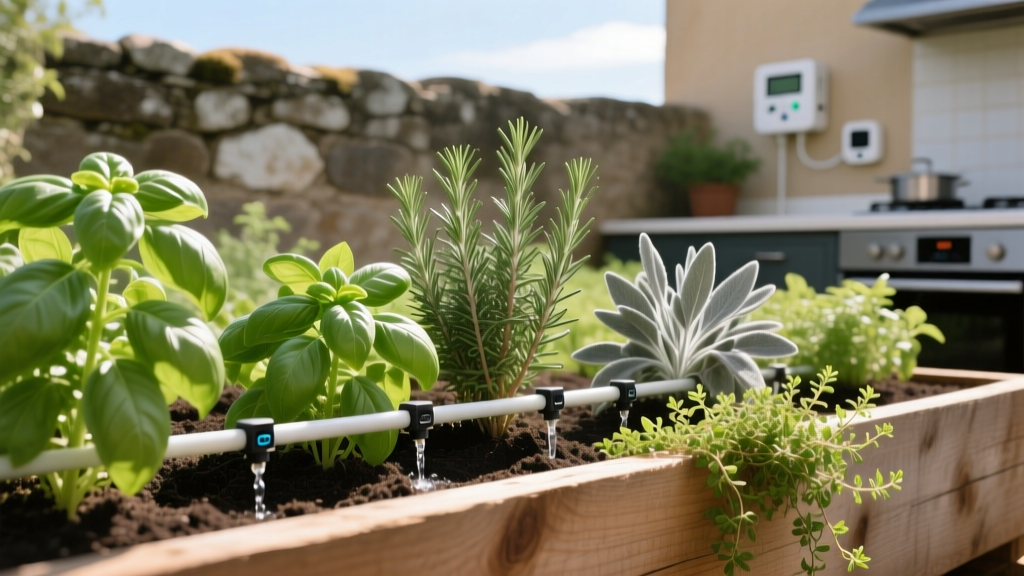
2026 Smart Irrigation For Culinary Herb Garden Design
Sarah ChenPublished
The 2026 Approach to Culinary Herb Garden Irrigation
Designing a culinary herb garden in 2026 requires more than just selecting the right soil and sunlight; it demands a sophisticated approach to water management. As climate patterns shift and water conservation becomes a paramount concern for homeowners, integrating smart sprinkler and irrigation systems into your garden design is no longer optional—it is essential. When cultivating a diverse culinary palette featuring basil, thyme, rosemary, and sage, the primary challenge lies in their vastly different moisture requirements. Grouping these herbs together under a single, traditional overhead sprinkler head is a recipe for root rot, fungal diseases, and stunted growth. This comprehensive guide will walk you through designing a precision drip irrigation layout tailored specifically for the unique hydrozoning needs of your favorite culinary herbs.
Understanding Hydrozoning: Basil vs. Mediterranean Herbs
The secret to a thriving herb garden is hydrozoning—the practice of grouping plants with similar water needs together and irrigating them on dedicated valves or zones. Basil (Ocimum basilicum) is a moisture-loving annual that thrives in consistently damp, well-draining soil. Conversely, rosemary (Salvia rosmarinus), thyme (Thymus vulgaris), and sage (Salvia officinalis) are Mediterranean perennials that demand excellent drainage and prefer their soil to dry out significantly between waterings. Overwatering these woody herbs is the number one cause of their demise in home gardens. By utilizing a multi-zone drip irrigation system, you can deliver precise hydration to each plant group without compromising the others. According to the NC State Extension, proper water management is critical for preventing the fungal pathogens that frequently plague moisture-stressed or overly saturated herbs.
| Herb Variety | Water Requirement | Irrigation Method | Emitter Flow Rate | Soil Moisture Target |
|---|---|---|---|---|
| Sweet Basil | High (Consistent) | Drip Line / Inline Emitter | 1.0 GPH | Moist, never waterlogged |
| Rosemary | Low (Drought-Tolerant) | Adjustable Dripper | 0.5 GPH | Dry top 2 inches |
| Thyme | Low to Moderate | Micro-Sprinkler / Dripper | 0.5 GPH | Dry between waterings |
| Culinary Sage | Low (Drought-Tolerant) | Adjustable Dripper | 0.5 GPH | Dry top 2 inches |
Soil Preparation: The Foundation of Irrigation Success
Before laying a single foot of drip tubing, you must address the soil structure. Irrigation systems can only deliver water; the soil dictates how that water is retained or shed. Basil thrives in rich, loamy soil amended with compost, which holds moisture effectively. Conversely, Mediterranean herbs require a gritty, fast-draining mix. When designing your raised beds or amending in-ground soil for the 2026 planting season, incorporate coarse builder's sand, perlite, or crushed pumice into the rosemary, thyme, and sage zones. This structural amendment ensures that when your 0.5 GPH drippers deliver water, it percolates deeply without pooling around the root crown. Attempting to irrigate heavy clay soil with slow-release drip emitters will result in anaerobic conditions and rapid root death for drought-tolerant herbs. Therefore, matching your soil porosity to your irrigation emitter flow rate is a critical step in modern garden design.
Why Overhead Sprinklers Fail Herb Gardens
Traditional pop-up spray heads and oscillating sprinklers are highly inefficient for raised herb beds. Overhead watering wets the foliage, creating an ideal environment for devastating diseases like downy mildew on basil and powdery mildew on sage. Furthermore, sprinklers lose a significant amount of water to wind drift and evaporation. The EPA WaterSense program notes that drip irrigation systems can be up to 90% efficient, compared to just 50-70% for traditional spray sprinklers, because they deliver water directly to the root zone at a slow, measurable rate. For culinary herbs, where leaf quality and essential oil concentration are paramount, keeping the foliage dry while maintaining precise soil moisture is the gold standard for 2026 garden designs.
Designing Your Drip Irrigation Layout
To properly irrigate a mixed herb garden, you must start at the source. Your main water line should connect to a backflow preventer, a smart timer, a pressure regulator (reducing standard household pressure of 50-80 PSI down to the 25 PSI required for drip systems), and a mesh filter to prevent emitter clogging. From the 1/2-inch polyethylene mainline, you will run 1/4-inch micro-tubing to the base of each plant. For basil, which is often planted in dense rows or blocks, inline drip tubing with emitters spaced every 6 inches provides uniform moisture coverage. For the sprawling, woody perennials like rosemary and sage, individual adjustable drippers placed at the base of the main stem allow you to dial in the exact flow rate. As the University of Minnesota Extension recommends, placing emitters strategically around the root ball encourages deep, drought-resistant root growth, which is especially beneficial for Mediterranean herbs.
Top Smart Irrigation Controllers for 2026
The integration of smart home technology into outdoor irrigation has reached new heights in 2026. Controllers like the Rachio 4 and the Orbit B-hyve XR utilize hyper-local weather intelligence and evapotranspiration (ET) data to automatically adjust watering schedules. If a micro-climate rainstorm is approaching your specific zip code, the controller will automatically skip the morning irrigation cycle. For the ultimate precision in your herb garden, pair your smart controller with wireless soil moisture sensors. By burying a sensor in the basil zone and another in the rosemary zone, the system will only trigger the drip valves when the volumetric water content (VWC) drops below the specific threshold you have programmed for that exact hydrozone. Modern 2026 smart controllers also feature built-in flow meters and automatic leak detection. If a gopher chews through your 1/4-inch micro-tubing in the sage bed, the controller will instantly detect the anomalous spike in water flow, automatically shut off the valve to prevent water waste, and send a push notification to your smartphone. This level of proactive maintenance ensures your culinary herbs never suffer from unexpected drought stress while you are away on vacation.
Step-by-Step Installation Guide
1. Map Your Garden: Sketch your raised beds or in-ground rows, clearly marking the basil zones and the Mediterranean zones.
2. Lay the Mainline: Run your 1/2-inch drip tubing along the edge of the garden bed, securing it with landscape staples every 3 feet.
3. Punch and Connect: Use a drip irrigation punch tool to create holes in the mainline where your 1/4-inch micro-tubing will connect. Insert barbed connectors and run the micro-tubing to the base of your herbs.
4. Attach Emitters: Snap inline drip lines into the basil beds, and screw adjustable drippers onto the ends of the micro-tubing for your rosemary, thyme, and sage.
5. Test and Adjust: Turn on the system manually via your smart app. Observe the flow rates, ensuring the basil receives a steady soak while the rosemary gets a slow, targeted trickle.
Mulching and Seasonal Maintenance
Once your irrigation system is tuned, cover the drip lines with a 2-inch layer of organic mulch. For basil, straw or shredded leaves work wonderfully to retain moisture and keep roots cool during the peak of summer. For rosemary, thyme, and sage, inorganic mulches like pea gravel or crushed granite are highly recommended. Gravel mulch reflects sunlight, suppresses weeds, and prevents the lower woody stems from sitting in damp organic matter, which can cause collar rot. As winter approaches in late 2026, remember to blow out your drip lines with an air compressor or open the manual drain valves to prevent freezing and cracking. A well-designed, smart-irrigated herb garden not only conserves thousands of gallons of water annually but also yields the most potent, flavorful culinary herbs possible.
