Gardening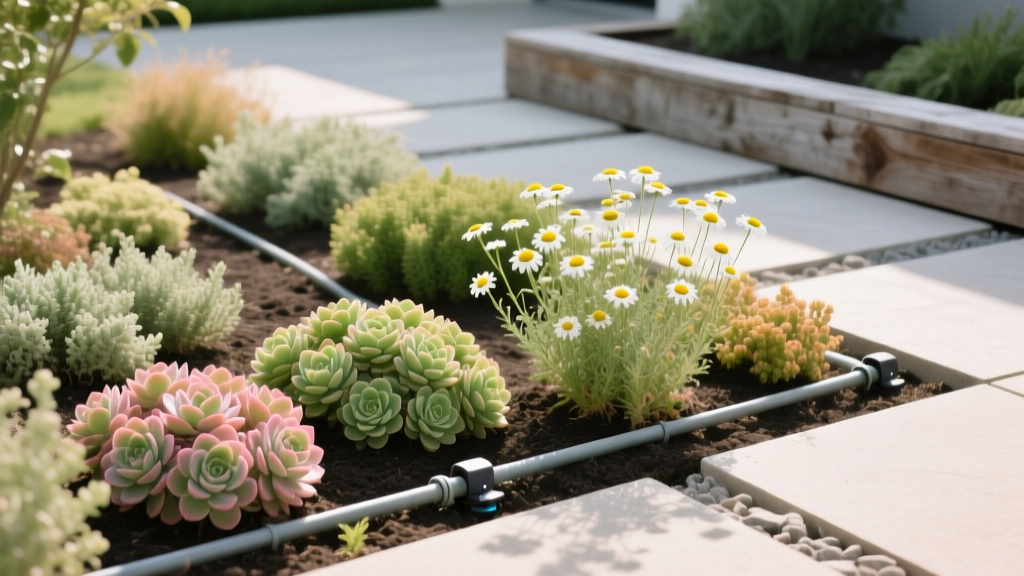
2026 Irrigation Guide: Watering Sedum & Yarrow Gardens
Robert HayesPublished
The Xeriscape Paradox: Why Drought-Tolerant Plants Need Precision Watering
As we navigate the shifting climate patterns and increasingly stringent water restrictions of 2026, xeriscaping has transitioned from a niche landscaping trend to a fundamental necessity for modern homeowners. Among the most popular and resilient choices for low-water gardens are sedum (stonecrop) and yarrow (achillea). These perennial powerhouses offer vibrant blooms, striking foliage, and incredible toughness. However, a common misconception among beginner gardeners is that "drought-tolerant" means "plant and forget." In reality, the establishment phase and the long-term health of these plants rely heavily on precision watering.
The paradox of the xeriscape garden is that while these plants thrive in dry conditions once mature, they are highly susceptible to root rot, crown rot, and fungal diseases if subjected to the wrong type of irrigation. Traditional overhead sprinkler systems, which are designed to blanket large turf areas in water, are the number one enemy of a thriving sedum and yarrow bed. In this comprehensive 2026 guide, we will explore how to design, install, and program a smart drip irrigation system tailored specifically to the unique hydrological needs of sedum and yarrow.
Why Traditional Sprinklers Fail Sedum and Yarrow
Before diving into the solution, it is crucial to understand why standard pop-up spray heads and rotor sprinklers are detrimental to your drought-tolerant flower beds. Sedum varieties, such as the popular 'Autumn Joy' or the low-growing 'Dragon's Blood', store water in their thick, succulent leaves and stems. When overhead sprinklers continuously wet the foliage and pool water around the plant's crown, it creates a breeding ground for fungal pathogens and bacterial soft rot. According to the Royal Horticultural Society, excessive moisture and poor drainage are the primary causes of failure in succulent perennials, leading to rapid collapse during humid summer months.
Yarrow (Achillea millefolium and its hybrids) faces a different but equally destructive set of issues when overwatered. While yarrow is slightly more forgiving of moisture than sedum, overhead watering frequently leads to powdery mildew on its fern-like foliage. Furthermore, when yarrow receives too much water—especially when combined with high-nitrogen fertilizers—it produces weak, leggy stems that cause the plant to "flop" or splay open in the center, ruining its structural integrity and visual appeal. By transitioning to a targeted subsurface or low-volume drip system, you deliver moisture directly to the root zone while keeping the foliage and crown completely dry.
Designing Your 2026 Smart Drip Irrigation System
The irrigation landscape in 2026 is dominated by smart, weather-responsive technology. Modern smart controllers no longer just rely on basic timers; they utilize hyper-local, AI-driven evapotranspiration (ET) data, soil moisture telemetry, and predictive micro-climate modeling to adjust watering schedules on the fly. For a sedum and yarrow garden, this level of precision is invaluable.
Your system should be designed as a dedicated "hydrozone." A hydrozone groups plants with similar water and sunlight requirements on the same irrigation valve. Never place your sedum and yarrow on the same valve as your turfgrass or thirsty annuals. The dedicated valve will connect to a pressure regulator, a filter, and a network of poly tubing and low-volume emitters.
According to the EPA WaterSense program, drip irrigation systems can deliver water with up to 90% efficiency, compared to the 50-70% efficiency of traditional spray sprinklers, drastically reducing runoff and evaporation. For xeriscape beds, this efficiency ensures that every drop of water is utilized by the plant's root system rather than lost to the afternoon sun or neighboring hardscapes.
Component Selection and Flow Rates
Choosing the right components is the most critical step in your installation. Because sedum and yarrow have different root structures and water uptake rates, a one-size-fits-all approach to emitter selection will yield poor results. Sedum features a shallow, fibrous root system that requires light, infrequent moisture, while yarrow develops a deeper, more extensive root network that benefits from slightly deeper, less frequent soakings.
Below is the recommended component and flow rate chart for a mixed sedum and yarrow bed in the 2026 gardening season:
| Plant Type | Emitter Type & Flow Rate | Emitter Spacing | Weekly Water Need (Mature) | Placement Note |
|---|---|---|---|---|
| Sedum (Stonecrop) | 0.5 GPH Pressure-Compensating Dripper | 12-18 inches apart | 0.5 - 1 inch | Keep 3 inches away from the main crown to prevent rot. |
| Yarrow (Achillea) | 1.0 GPH Pressure-Compensating Dripper | 18-24 inches apart | 1 - 1.5 inches | Place near the drip line of the mature plant canopy. |
| Mainline Tubing | 1/2-inch Blank Polyethylene Tubing | N/A | N/A | Bury under 2 inches of mulch to protect from UV and rodents. |
| Pressure Regulator | 25 PSI Filter/Regulator Combo | N/A | N/A | Install immediately after the smart valve. |
Using pressure-compensating (PC) emitters is highly recommended, especially if your garden bed is on a slope. PC emitters ensure that the plant at the top of the hill receives the exact same 0.5 or 1.0 gallons per hour as the plant at the bottom, preventing the lower sedum from drowning in runoff.
Step-by-Step Installation for Xeriscape Beds
Step 1: Map and Lay the Mainline
Begin by sketching your garden bed and marking the locations of your sedum and yarrow clumps. Unroll your 1/2-inch mainline poly tubing and let it sit in the sun for an hour; the heat will soften the plastic, making it much easier to work with and preventing it from kinking. Lay the mainline along the perimeter of the bed, weaving it through the plantings.
Step 2: Punch and Connect Step 3: Secure and Mulch
Secure the tubing using landscape staples every 3 to 4 feet. Once the system is laid out and tested for leaks, cover the entire network with a 2-inch layer of inorganic mulch, such as decomposed granite or pea gravel. Organic wood mulch retains too much moisture against the crowns of sedum and can harbor fungi, making gravel the superior choice for xeriscape irrigation setups. The true advantage of a 2026 smart irrigation setup lies in the software. When configuring your smart hub (such as the latest models from Rachio or Hunter), you must input the correct vegetation type, soil type, and slope. Set the vegetation type to "Xeriscape" or "Drought-Tolerant Perennials." This tells the algorithm to prioritize deep, infrequent watering cycles over daily shallow sprays. Furthermore, integrate a wireless soil moisture sensor into the bed. While smart controllers use weather forecasts to predict water needs, a physical probe buried 6 inches deep in the yarrow root zone provides ground-truth data. If an unexpected summer downpour occurs, the soil sensor will override the controller's schedule, skipping the next irrigation cycle and saving your sedum from waterlogged soil. The University of California's WUCOLS database classifies both sedum and yarrow as low to very-low water use plants, reinforcing the need for strict moisture limits in your controller's baseline settings. Even the most advanced drip systems require seasonal maintenance. In the spring, flush the mainline by removing the end cap and letting the water run for two minutes to clear out any sediment or mineral deposits that may clog your low-volume emitters. Inspect the tubing for rodent damage, as mice and voles frequently chew through poly tubing during the winter months. As winter approaches, it is vital to winterize your system to prevent freeze-thaw damage. While drip lines are somewhat flexible, trapped water can freeze, expand, and crack your pressure regulator, filter housing, and backflow preventer. Use an air compressor set to a low PSI (under 50 PSI) to blow out the remaining water from the lines, and detach the smart controller's flow meter and pressure regulator, storing them indoors until the spring thaw. By following these precise irrigation strategies, your sedum and yarrow garden will remain a vibrant, low-maintenance, and water-efficient oasis for years to come.Programming Your Smart Controller for 2026 Weather Patterns
Seasonal Maintenance and Winterization
