Lawn Care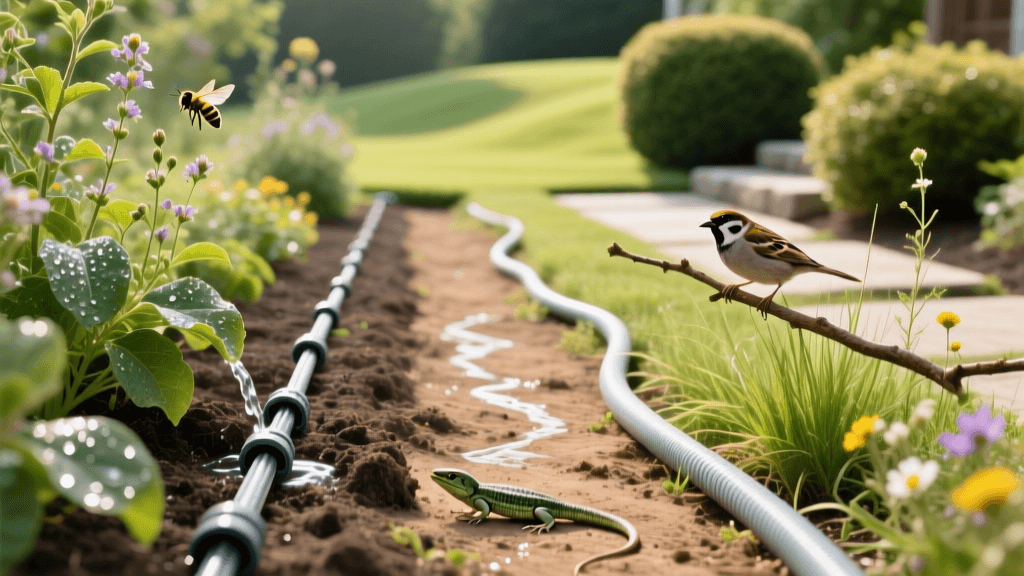
Drip Tape vs Soaker Hose for Wildlife Lawn Borders 2026
Introduction to Lawn Border Irrigation and Wildlife Management
As we navigate the evolving landscape of eco-conscious yard management in 2026, the transition zones between our manicured lawns and naturalized garden beds—commonly known as lawn borders—have become critical focal points for homeowners. These borders are not merely aesthetic boundaries; they are vital wildlife corridors. How you choose to irrigate these zones directly impacts the local food web, soil health, and the behavior of yard animals. When deciding between drip irrigation tape and soaker hoses for lawn borders, the choice goes far beyond simple water conservation. It requires a deep understanding of how surface moisture, material durability, and soil hydration levels influence everything from burrowing rodents to beneficial amphibians.
According to the National Wildlife Federation, creating sustainable habitat corridors in residential areas is one of the most effective ways to support local biodiversity in 2026. However, improper irrigation in these border zones can inadvertently attract destructive pests, create breeding grounds for disease-carrying insects, or introduce toxic materials into the soil. This comprehensive guide explores the nuanced differences between drip tape and soaker hoses through the lens of wildlife and yard animal management, helping you make an informed, ecologically sound decision for your landscape.
Understanding Lawn Borders as Wildlife Ecotones
In ecology, an "ecotone" is a transition area between two biological communities. Your lawn border is a residential ecotone where the highly managed, low-diversity turfgrass meets the higher-diversity, structurally complex garden bed. Wildlife naturally gravitates toward these edges. Birds forage along them for insects, small mammals use them as travel highways under the cover of taller border plants, and beneficial invertebrates overwinter in the undisturbed soil just beneath the mulch.
The irrigation method you deploy in this ecotone dictates the microclimate of the soil surface. A consistently wet surface will attract a vastly different suite of animals than a dry surface with deep, targeted subterranean moisture. Furthermore, the physical materials of the irrigation lines interact with local fauna. Rodents may chew through certain plastics to access trapped water during droughts, while ground-foraging birds may mistake certain irrigation fittings for food. Managing these borders requires matching the right irrigation technology to your specific wildlife goals and local pest pressures.
Drip Irrigation Tape: Precision and Pest Vulnerability
Drip irrigation tape is a thin-walled, flexible polyethylene tube with pre-punched emitters spaced at regular intervals (typically 6, 12, or 18 inches). In 2026, advanced pressure-compensating drip tapes are widely available, ensuring uniform water delivery even on sloped lawn borders. From a wildlife perspective, drip tape offers highly targeted hydration that keeps the soil surface relatively dry, which is excellent for deterring surface-dwelling pests like slugs and snails.
The Wildlife Impact of Drip Tape
- Beneficial Insect Support: Because the surface remains dry, drip tape does not create the muddy, anaerobic conditions that drown ground-nesting bees or beneficial predatory beetles. The Xerces Society emphasizes the importance of maintaining undisturbed, well-drained soil pockets for native pollinator habitats, making subsurface drip tape an excellent choice for borders planted with native perennials.
- Rodent Vulnerability: The primary drawback of drip tape is its physical vulnerability. Standard 8-mil or 10-mil drip tape is exceptionally thin. During dry summer months, voles, mice, and even squirrels can hear the vibration of water moving through the emitters or sense the moisture. They will frequently chew through the thin plastic to access the water, leading to catastrophic system leaks and damaged plant roots.
- Mosquito Deterrence: By eliminating surface puddling, drip tape effectively removes breeding grounds for mosquitoes, protecting both your family and local wildlife from mosquito-borne pathogens like the West Nile virus or avian malaria.
Soaker Hoses: Surface Moisture and Material Concerns
Soaker hoses are typically made from either recycled crumb rubber or porous polyurethane. They "sweat" water along their entire length, providing a broad, gentle soaking action that is ideal for densely planted borders with shallow-rooted groundcovers. However, the widespread surface moisture they create has profound implications for yard animal management.
The Wildlife Impact of Soaker Hoses
- Earthworm and Bird Attraction: The consistent surface moisture provided by a soaker hose keeps the top few inches of soil damp, which draws earthworms closer to the surface. This, in turn, creates a reliable foraging zone for robins, thrushes, and other ground-feeding birds.
- Slug and Snail Proliferation: The damp surface environment is a haven for gastropods. If your lawn border features vulnerable hostas or young seedlings, a soaker hose left on the surface will almost certainly lead to a slug explosion, which can decimate border plantings overnight.
- Material Toxicity Risks: Many traditional soaker hoses are manufactured from recycled tires. As these hoses degrade under UV light and constant moisture, they can leach heavy metals (like zinc and cadmium) and volatile organic compounds (VOCs) into the soil. Burrowing animals, earthworms, and the birds that consume them can be exposed to these toxins. In 2026, wildlife-conscious gardeners are strongly advised to use only food-grade polyurethane soaker hoses, which are inert and safe for the soil food web.
- Mole and Vole Highway Effects: Voles often use the physical ridge of a soaker hose as a covered travel runway, hiding beneath it or the mulch covering it to avoid aerial predators. Furthermore, the constant dampness can soften the soil, making it easier for moles to tunnel just beneath the surface in search of grubs that thrive in wet turf.
Feature Comparison: Drip Tape vs. Soaker Hose (2026 Data)
To help you visualize the operational and ecological differences between these two systems, refer to the comparison table below. The University of Minnesota Extension notes that proper system selection based on soil type and plant density is crucial for long-term landscape health and water efficiency.
| Feature | Drip Irrigation Tape (15-mil) | Polyurethane Soaker Hose | Wildlife & Pest Impact |
|---|---|---|---|
| Water Delivery | Targeted emitters (subsurface) | Broad sweating (surface/shallow) | Drip deters slugs; Soaker attracts them. |
| Durability vs. Rodents | Moderate (15-mil resists minor bites) | High (thick walls resist chewing) | Voles will target thin drip tape for water. |
| Surface Moisture | Very Low | High | Wet surfaces attract mosquitoes and slugs. |
| Soil Toxicity Risk | None (Inert Polyethylene) | None (if Polyurethane) | Avoid recycled rubber to protect soil fauna. |
| Burrowing Animal Disruption | Low (if buried 2-4 inches) | Moderate (creates soft soil tunnels) | Soft soil invites mole tunneling near borders. |
Managing Specific Yard Animals at the Border
Voles and Meadow Mice
Voles are notorious for damaging lawn borders by girdling the bark of young shrubs and ornamental trees. They also have a frustrating habit of chewing through irrigation lines. If your property is prone to vole activity, avoid 8-mil drip tape entirely. Instead, opt for 15-mil or 34-mil drip tape, and bury it 2 to 3 inches beneath the soil surface, covered by a layer of sharp-edged gravel or coarse mulch that deters burrowing. If you prefer soaker hoses, the thicker polyurethane models are much harder for voles to puncture, but you must ensure the hose does not create a continuous, sheltered runway along your prized border plants.
Moles and Shrews
Moles are insectivores, not rodents, and they do not chew on irrigation lines. However, they are deeply affected by how your irrigation choices alter the soil environment. Overwatering lawn borders with soaker hoses drives earthworms and grubs closer to the surface, which in turn draws moles to the border zone. Their tunneling can undermine border plants and create unsightly ridges in the adjacent turf. By utilizing subsurface drip tape and a smart irrigation controller that prevents soil saturation, you maintain a drier topsoil profile that naturally discourages mole activity in the transition zone.
Beneficial Amphibians and Reptiles
Toads, frogs, and beneficial garter snakes rely on lawn borders for shelter and hunting. They require ambient moisture to prevent their skin from desiccating, but they do not need standing water. A soaker hose run for short, frequent intervals under a thick layer of leaf litter provides the perfect humid microclimate for amphibians without creating the stagnant puddles that breed mosquitoes. Drip tape, while excellent for plants, may leave the leaf litter too dry to support a healthy amphibian population during the peak heat of late summer.
Best Practices for Wildlife-Friendly Border Irrigation in 2026
- Upgrade to Smart Soil Moisture Sensors: In 2026, integrating wireless soil moisture sensors into your smart irrigation controller is standard practice. By placing a sensor in the lawn border, you can ensure the system only waters when the root zone is genuinely dry, preventing the soggy conditions that attract pests and harm beneficial soil organisms.
- Mulch Strategically: Cover both drip tape and soaker hoses with 2 to 3 inches of organic mulch (like arborist wood chips). This conceals the lines from UV degradation, hides them from foraging birds and rodents, and moderates soil temperature, creating a stable environment for beneficial soil microbes and earthworms.
- Flush the Lines Regularly: Stagnant water inside irrigation lines can harbor harmful bacteria or anaerobic pathogens. Open the flush valves at the end of your drip tape or soaker hose runs once a month to clear out sediment and ensure the water entering the wildlife corridor is clean and safe.
- Use Pressure Regulators: Drip tape requires low pressure (usually 15 to 25 PSI). Without a pressure regulator, high municipal water pressure can cause emitters to blow out, creating localized floods that drown ground-nesting beneficial insects and erode the soil habitat.
Conclusion
Choosing between drip irrigation tape and soaker hoses for your lawn borders is a decision that ripples through your entire yard's ecosystem. Drip tape offers unparalleled precision, water conservation, and pest deterrence, making it ideal for borders where rodent pressure is low and native, drought-tolerant plants are the focus. Soaker hoses, particularly modern polyurethane models, provide the broad, gentle moisture necessary to support amphibians and shallow-rooted groundcovers, provided you manage the associated risks of slugs and surface-dwelling pests. By viewing your lawn border not just as a garden edge, but as a vital wildlife ecotone, you can select the irrigation method that nurtures both your landscape and the local fauna in 2026 and beyond.