Pest Control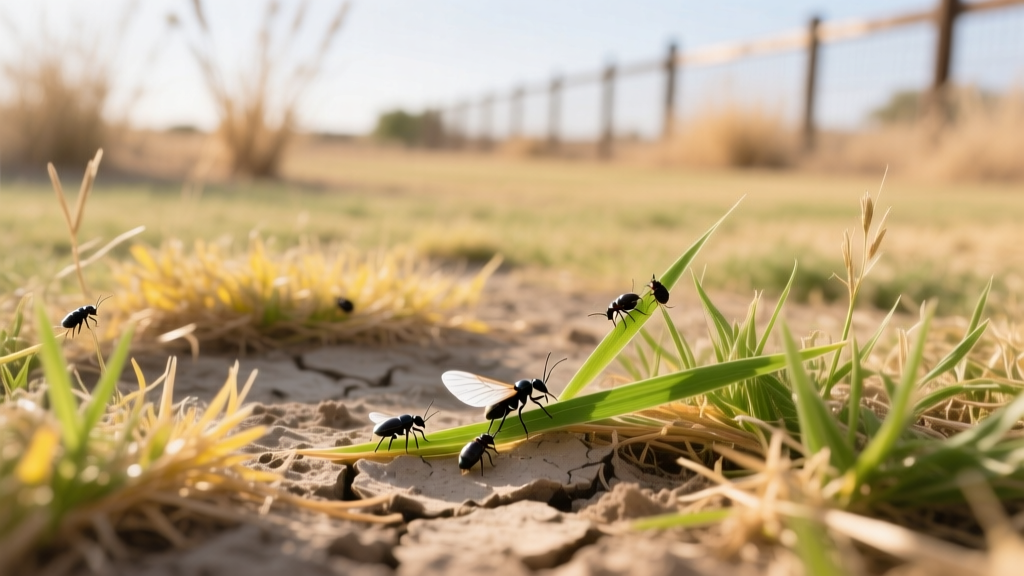
Drought-Proof Pest Control: Managing Chinch Bugs Wisely
Robert HayesPublished
The Hidden Link Between Drought Stress and Chinch Bugs
Homeowners facing drought conditions often watch their lawns turn brown and brittle, assuming the lack of rain is the sole culprit. However, water scarcity creates the perfect storm for opportunistic pests, most notably the chinch bug (Blissus species). Chinch bugs thrive in hot, dry environments and actively target turfgrass that is already weakened by moisture deficits. When lawns lack adequate water, their natural defenses drop, making it easier for these tiny, sap-sucking insects to pierce the grass blades, inject a toxic saliva, and block the plant’s vascular system. The result is rapid, severe turf decline that mimics drought damage, leading to a vicious cycle of misdiagnosis and wasted water.
Implementing a water-wise Integrated Pest Management (IPM) approach is critical. By understanding the intersection of drought stress and pest biology, you can protect your lawn without squandering precious water resources. According to the Texas A&M AgriLife Extension, chinch bugs are most destructive during the hot, dry summer months, making water-efficient pest control strategies an absolute necessity for modern lawn care.
Misdiagnosis: Drought Damage vs. Chinch Bug Damage
The most common mistake homeowners make during a dry spell is assuming all browning grass is suffering from thirst. When chinch bug damage is mistaken for drought stress, the typical response is to increase irrigation. Not only does this waste hundreds of gallons of water, but it also fails to address the pest infestation, allowing the chinch bug population to explode. Furthermore, excessive shallow watering can promote fungal diseases and shallow root growth, further compromising the lawn’s drought tolerance.
To implement a water-wise IPM strategy, accurate identification is your first line of defense. Review the comparison chart below to distinguish between environmental drought stress and chinch bug activity.
| Diagnostic Feature | Drought Stress | Chinch Bug Damage |
|---|---|---|
| Visual Pattern | Uniform browning, often starting in full sun, sandy areas, or slopes. | Irregular, expanding yellow to brown patches, often starting near sidewalks or driveways. |
| Grass Blade Appearance | Blades fold, roll, or turn grayish-green before browning. | Blades show a purplish or reddish tint at the base; yellowing occurs before browning. |
| Soil Moisture | Soil is hard, dry, and hydrophobic deep into the root zone. | Soil may still retain some moisture, especially in irrigated zones. |
| Footprint Test | Footprints remain visible on the grass for hours due to lack of turgor pressure. | Grass may still exhibit some bounce back in the early stages of damage. |
| Pest Presence | No insects visible at the soil line or in the thatch. | Tiny black and white insects visible at the base of the grass or floating on the soil surface. |
The Coffee Can Flotation Test
If you suspect chinch bugs but cannot see them, perform the flotation test. This requires zero chemical intervention and only a few drops of water. Take a metal coffee can (or a large PVC pipe segment), remove both ends, and push it about two inches into the soil at the edge of a damaged patch. Fill the can with water and wait for five minutes. Chinch bugs will float to the surface. According to the University of California Statewide IPM Program, finding 15 to 20 chinch bugs per square foot warrants treatment. If you find fewer, your lawn’s drought stress is likely environmental, and you should focus on deep, infrequent watering rather than pesticides.
Water-Wise Cultural Controls for Pest Prevention
Cultural controls form the foundation of any IPM strategy. By altering the lawn environment to favor the grass and disfavor the pest, you can drastically reduce the need for water and chemicals.
Optimize Mowing Heights
During drought conditions, raise your mower deck to 3.5 or 4 inches. Taller grass blades shade the soil surface, reducing evaporation rates by up to 30% and keeping the thatch layer cooler and more humid. Chinch bugs prefer hot, dry thatch environments; shading the soil disrupts their breeding cycle. Furthermore, taller grass develops deeper root systems, which are essential for accessing deep soil moisture during dry spells.
Thatch Management
Chinch bugs live and breed in the thatch layer. A thatch layer thicker than 0.5 inches acts as a sponge, preventing irrigation water from reaching the soil and creating a dry, protective haven for pests. Core aeration in the spring or fall, combined with proper watering practices, helps break down thatch naturally without the need for aggressive dethatching, which can stress drought-weakened grass.
Endophyte-Enhanced Grass Seed
When overseeding bare patches caused by pests or drought, choose turfgrass varieties enhanced with endophytes. These beneficial fungi live naturally within the grass tissue and produce alkaloids that are toxic to sap-sucking insects like chinch bugs. Fine fescues and perennial ryegrasses with high endophyte levels offer excellent drought tolerance and natural pest resistance, reducing the need for both supplemental irrigation and chemical treatments.
Biological Controls: Letting Nature Do the Work
Before reaching for a hose or a sprayer, look to nature. Drought-stressed lawns that are over-treated with broad-spectrum insecticides often lose their populations of beneficial predators, leading to secondary pest outbreaks.
- Big-Eyed Bugs (Geocoris species): These natural predators look remarkably similar to chinch bugs but have distinctly larger, bulging eyes. They are voracious predators of chinch bug eggs and nymphs. Avoid broad-spectrum chemicals to preserve their populations.
- Beneficial Nematodes (Steinernema carpocapsae): These microscopic worms actively hunt and kill chinch bug nymphs in the thatch and upper soil layers. Apply nematodes at a rate of 250,000 infective juveniles per 1,000 square feet. They cost approximately $40 to $60 per treatment.
Application Tip: Nematodes require moisture to survive and move through the soil. Apply them in the late afternoon or evening to avoid UV degradation. Water the lawn lightly with just 0.25 inches of water immediately after application to wash the nematodes off the grass blades and into the thatch layer. This targeted, minimal watering approach maximizes pest control while adhering to water-wise principles.
Targeted, Low-Impact Chemical Interventions
If the coffee can test reveals a severe infestation (over 20 bugs per square foot) that threatens to destroy the turf entirely, targeted chemical intervention may be necessary. However, water-wise IPM dictates that we avoid broadcast spraying, which harms beneficial insects and requires heavy post-application watering to activate the product.
Instead, use spot treatments with active ingredients like Bifenthrin or Lambda-cyhalothrin. Apply the insecticide only to the perimeter of the damaged patches and a three-foot buffer zone into the healthy grass, where the migrating nymphs are actively feeding. Spot treating uses 80% less chemical product and requires minimal localized watering, preserving the broader lawn ecosystem and conserving water. Always follow label instructions regarding irrigation; some liquid contact insecticides require the grass to remain dry for 24 hours, saving you an irrigation cycle entirely.
Expert Insight: According to the EPA WaterSense program, up to 50% of water used for landscaping is wasted due to evaporation, wind, and inefficient watering practices. Aligning your pest management with water-wise principles not only saves money but builds a more resilient root system that naturally resists pest invasions. Overwatering a chinch bug problem is a lose-lose scenario for your wallet and the environment.
A Water-Wise IPM Action Plan
To manage chinch bugs during a drought without wasting water, follow this structured, seasonal action plan:
- Early Summer (Prevention): Raise mowing height to 4 inches. Monitor high-stress areas near hardscapes weekly. Ensure your irrigation system is audited and applying water evenly to prevent dry pockets that attract pests.
- Mid-Summer (Monitoring): Conduct the coffee can flotation test on any browning patches before adjusting your irrigation schedule. Differentiate between drought dormancy and pest damage.
- Threshold Action (Treatment): If pest thresholds are exceeded, apply beneficial nematodes in the evening with a minimal 0.25-inch watering. If chemical spot treatment is required, target only the active margins of the infestation.
- Late Summer (Recovery): Allow drought-dormant grass to remain dormant. If the lawn is actively growing and recovering from pest damage, apply a single, deep watering of 1 inch early in the morning to minimize evaporation and encourage deep root regeneration.
Conclusion
Managing lawn pests during a drought requires a shift in perspective. Rather than fighting nature with excessive water and blanket chemical applications, a water-wise IPM strategy leverages accurate diagnostics, cultural modifications, and targeted biological controls. By correctly identifying chinch bugs and separating their damage from environmental drought stress, you can apply precise, effective treatments that save water, protect local ecosystems, and keep your lawn resilient in the face of challenging weather conditions.