Lawn Care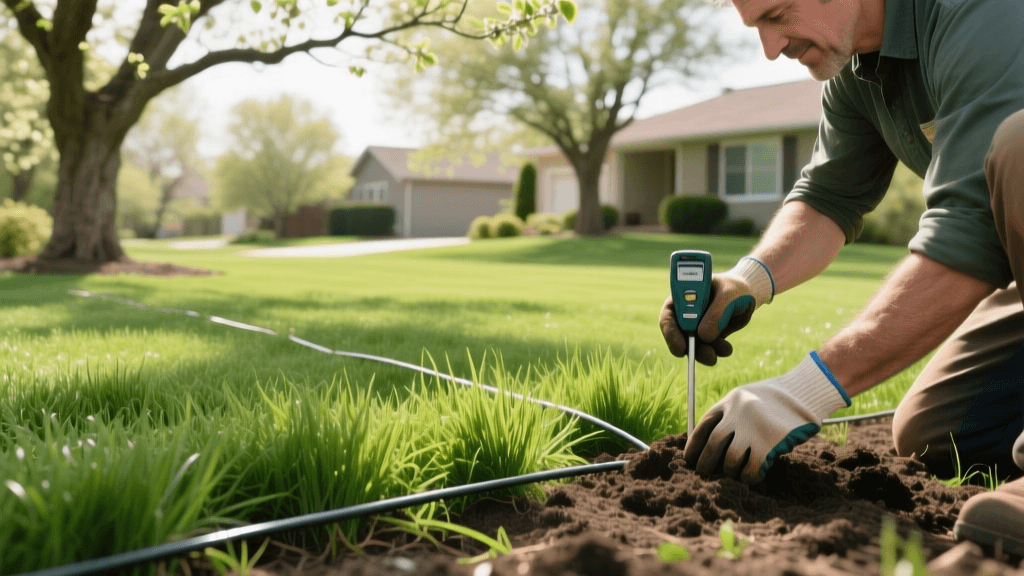
Drought Lawn Recovery: Deep Watering & Pruning Guide 2026
Understanding Drought Stress and the Role of Canopy Pruning
As climate patterns shift and flash droughts become increasingly common in 2026, homeowners are frequently faced with the challenge of reviving severely drought-stressed lawns. When turfgrass experiences prolonged moisture deficits, it enters a state of dormancy or semi-dormancy to conserve energy. The blades fold, growth slows, and the lawn takes on a grayish-blue or brown hue. While the immediate instinct is to flood the yard with water, true recovery requires a synchronized approach that pairs a strategic deep watering schedule with precise canopy pruning methods.
While 'pruning' is a term most commonly associated with shrubs, trees, and ornamental plants, in turfgrass science, your mower is your primary pruning tool. The method, timing, and height of this pruning dictate how well your grass retains moisture and recovers from environmental stress. Improper pruning during a drought—such as scalping the lawn or using dull blades—shreds the leaf tissue, exponentially increasing water loss through transpiration and leaving the plant vulnerable to disease and pest infestations.
According to the University of Minnesota Turfgrass Science program, managing the turf canopy through proper mowing heights is one of the most effective cultural practices for mitigating drought stress. By leaving a taller, well-pruned canopy, you shade the soil surface, reduce soil temperature, and minimize evaporation, creating a microclimate that supports deep root recovery.
The 2026 Deep Watering Schedule for Drought Recovery
Recovering a drought-stressed lawn requires a fundamental shift from frequent, shallow irrigation to infrequent, deep soaking. Shallow watering encourages roots to stay near the surface, where they are the first to dry out. Deep watering forces the root system to chase moisture downward, establishing a resilient foundation.
Calculating Your Watering Requirements
The general rule of thumb for active recovery is to provide 1.0 to 1.5 inches of water per week, including rainfall. However, applying this all at once on compacted or hydrophobic (water-repellent) soil will result in massive runoff. The United States Environmental Protection Agency (EPA) emphasizes that watering efficiency is just as critical as the volume applied. To combat runoff, lawn care professionals in 2026 rely heavily on the 'Cycle and Soak' method.
The Cycle and Soak Method
If your soil is dry and hardened, it cannot absorb an hour of continuous precipitation. Instead, program your smart irrigation controller to split the watering into multiple short cycles:
- Cycle 1: Water for 10 minutes to break the surface tension and soften the topsoil.
- Wait: Allow the system to rest for 30 to 45 minutes so the water can infiltrate.
- Cycle 2: Water for another 10 to 15 minutes to push moisture deep into the root zone (6 to 8 inches below the surface).
Modern smart controllers, such as the Rachio 4 or Hunter Pro-HC, automatically adjust these cycles based on local evapotranspiration (ET) rates and hyper-local weather forecasts, ensuring you never overwater or underwater during the critical recovery phase.
Strategic Pruning (Mowing) Methods for Stressed Turf
When your lawn is recovering from drought, the way you prune the grass canopy is just as important as the water you apply. The goal of pruning during this phase is to maintain maximum leaf surface area for photosynthesis while preventing the plant from expending unnecessary energy.
The One-Third Rule of Pruning
Never remove more than one-third of the grass blade in a single pruning session. If your target recovery height is 4 inches, you should only prune the lawn when it reaches 6 inches. Removing more than one-third of the canopy shocks the plant, halts root growth, and forces the grass to divert stored carbohydrates away from recovery and toward generating new leaf tissue.
Blade Sharpness and Mulching
A dull mower blade tears and frays the grass tips rather than making a clean cut. These frayed tips lose moisture rapidly and turn white or brown, giving the lawn a diseased appearance even after watering. In 2026, it is recommended to sharpen or replace your mower blades at the start of the recovery process. Furthermore, always use a mulching plug to return finely chopped clippings to the soil. These clippings act as a natural compost, retaining soil moisture and returning vital nitrogen to the recovering root zone.
Expert Tip: Never prune a drought-stressed lawn during the heat of the day. The optimal time to mow is in the early morning after the dew has dried, or in the early evening. Pruning during peak afternoon sun exposes freshly cut, moist stem tissue to intense UV radiation, leading to rapid desiccation.
Grass Type Recovery and Pruning Chart
Different turfgrass species respond to drought and pruning differently. Cool-season grasses generally require taller pruning heights to protect their crowns, while warm-season grasses can tolerate slightly lower cuts but still benefit from raised decks during stress. Below is a comparative guide for 2026 recovery protocols:
| Grass Type | Recovery Pruning Height | Deep Watering Target | Best Pruning Time | Drought Tolerance |
|---|---|---|---|---|
| Tall Fescue (Cool) | 3.5 - 4.5 inches | 1.0 - 1.5 inches/week | Early Morning | High |
| Kentucky Bluegrass (Cool) | 3.0 - 4.0 inches | 1.0 - 1.5 inches/week | Early Morning | Moderate |
| Bermudagrass (Warm) | 2.0 - 2.5 inches | 0.75 - 1.0 inches/week | Late Afternoon | Very High |
| Zoysia (Warm) | 2.5 - 3.0 inches | 0.75 - 1.0 inches/week | Late Afternoon | High |
Your 4-Week Drought Recovery Timeline
Patience is essential. A lawn that has been baked by weeks of drought will not turn emerald green overnight. Follow this structured timeline to safely bring your turf back to life.
Week 1: Hydration and Assessment
Begin the deep watering schedule using the Cycle and Soak method. Do not prune the lawn during the first week unless the grass is excessively tall and flopping over. Allow the plant to rehydrate its crown and resume basic cellular functions. Check soil moisture by inserting a long screwdriver into the ground; it should slide in easily to a depth of 6 inches.
Week 2: The First Pruning
Once the grass begins to show signs of greening and active growth, perform your first strategic pruning. Set your mower deck to the highest possible setting. Ensure your blades are razor-sharp. Leave the clippings on the lawn to act as a moisture-retaining mulch. Continue the deep watering schedule, adjusting for any natural rainfall.
Week 3: Root Stimulation and Soil Testing
By week three, the root system should be expanding. This is an ideal time to apply a gentle, organic liquid fertilizer rich in potassium and humic acids, which aid in water retention and stress tolerance. Avoid high-nitrogen synthetic fertilizers, as they force rapid, weak leaf growth that the compromised root system cannot support. Prune the lawn again, adhering strictly to the one-third rule.
Week 4: Core Aeration and Normalization
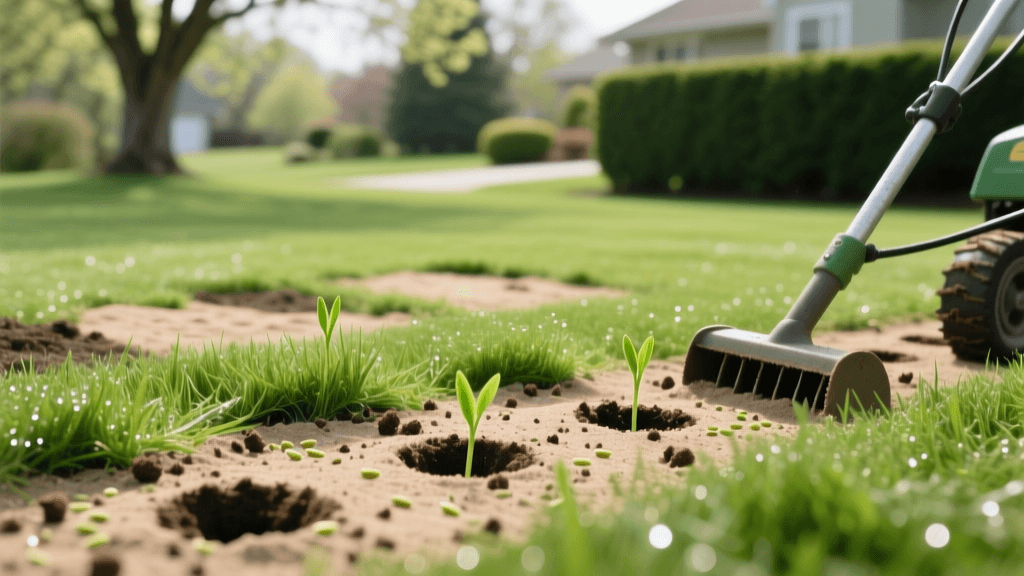
If the soil remains compacted and water is still pooling or running off, schedule a core aeration. Aeration is a form of root-zone pruning that relieves soil compaction and opens pathways for water, oxygen, and nutrients. After aeration, you can gradually lower your mower deck to the standard maintenance height for your specific grass type over the next few mowing sessions. Transition your smart irrigation controller from 'recovery mode' back to a standard, water-efficient weekly schedule.
Final Thoughts on 2026 Lawn Resilience
Recovering a drought-stressed lawn is a test of discipline. By treating your mower as a precision pruning tool and pairing it with a scientifically backed deep watering schedule, you can restore your turf's health without wasting precious water resources. For more localized advice, consult resources like the University of California Agriculture and Natural Resources Lawn Guide, which offers excellent region-specific data on evapotranspiration and drought-tolerant turf management. With the right timing and methods, your lawn will not only survive the drought but emerge with a deeper, more resilient root system for the seasons ahead.