Pest Control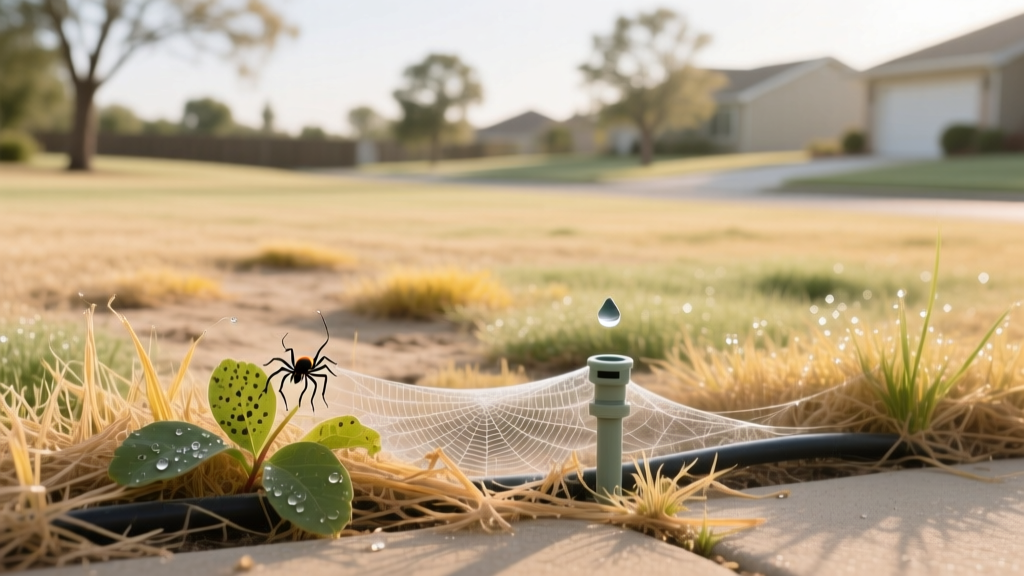
Drought Pest Control: Managing Chinch Bugs And Mites
Mike RodriguezPublished
The Intersection of Drought Stress and Turf Pests
As water restrictions tighten and summer temperatures soar, homeowners are increasingly adopting water-wise landscaping practices. While conserving water is vital for environmental sustainability and utility cost management, drought-stressed lawns face a hidden secondary threat: opportunistic pests. When turfgrass is deprived of adequate moisture, it undergoes significant physiological changes that make it highly susceptible to specific insects that thrive in hot, dry conditions.
Under normal circumstances, healthy turfgrass produces defensive enzymes and secondary metabolites that deter herbivorous insects. However, during a drought, the plant's primary survival mechanism is to close its stomata and halt non-essential metabolic processes to conserve water. According to the Environmental Protection Agency's Integrated Pest Management (IPM) guidelines, stressed plants emit specific volatile organic compounds (VOCs) that actually attract pests. For water-wise gardeners, understanding this biological vulnerability is the first step in protecting your lawn without wasting precious water resources.
Identifying the Opportunists: Chinch Bugs and Spider Mites
While grubs and armyworms often require moist soil to thrive, two specific pests actively capitalize on dry, dusty, and drought-stressed environments: the Southern Chinch Bug and the Spider Mite. Both can decimate a water-wise lawn if left unchecked.
Chinch Bugs: The Dry Heat Menace
The Southern Chinch Bug (Blissus insularis) is a notorious surface-feeding insect that thrives in hot, dry, and sunny areas of the lawn, particularly near driveways, sidewalks, and south-facing slopes where heat radiates. According to Texas A&M Agrilife Extension, chinch bugs pierce the grass blades with their needle-like mouthparts, inject a toxin that clogs the plant's vascular system, and suck out the sap. The resulting damage mimics drought stress, appearing as irregular yellowing patches that quickly turn brown and die, even if the area is watered.
The Coffee Can Test: Because chinch bug damage looks identical to drought stress, you must confirm their presence before treating. Use this simple, water-wise diagnostic test:
- Cut both ends out of a standard metal coffee can or large tin.
- Push the can about two inches deep into the soil at the margin of a damaged and healthy area of the lawn.
- Fill the can with water and wait for five minutes.
- Count the nymphs and adult bugs that float to the surface. If you count more than 15 to 20 chinch bugs per square foot, treatment is necessary.
Spider Mites: The Microscopic Sap-Suckers
Spider mites (Tetranychidae) are arachnids, not insects, and they absolutely despise moisture. They flourish in dusty, dry conditions and are particularly problematic in lawns adjacent to unpaved roads or dry flower beds. The UC Statewide Integrated Pest Management Program notes that spider mites puncture individual plant cells to extract the contents, causing a stippled, silvery, or bronze appearance on the grass blades. In severe infestations, you may notice fine, silken webbing catching the morning dew. Because they are microscopic, monitoring requires wiping a suspected grass blade over a piece of white paper; if you see tiny, moving dark specks that leave a green smear when crushed, you have spider mites.
Water-Wise IPM: Prevention Without Wasting Water
Integrated Pest Management (IPM) focuses on long-term prevention through cultural practices. In a drought scenario, your cultural practices must balance turf health with strict water conservation.
1. Raise Your Mowing Height: Never scalp a drought-stressed lawn. Raise your mower deck to 3.5 or 4 inches. Taller grass blades shade the soil surface, drastically reducing evaporation rates and keeping the root zone cooler. This microclimate makes the soil surface less hospitable to heat-loving chinch bugs.
2. Manage Thatch Carefully: A thatch layer thicker than 0.5 inches acts as a hydrophobic barrier, preventing what little water you do apply from reaching the soil. It also provides a perfect, dry harbor for chinch bugs. Core aerate in the early fall or spring, but avoid aggressive dethatching during peak summer drought, as this will stress the grass further.
3. Plant Endophyte-Enhanced Grasses: If you are overseeding or establishing a new water-wise lawn, look for tall fescue or perennial ryegrass varieties enhanced with endophytes. These beneficial fungi live symbiotically within the grass tissue and produce alkaloids that are highly toxic to surface-feeding insects like chinch bugs, providing biological pest control that requires zero additional water or chemical inputs.
Targeted Treatment Options for Dry Conditions
When pest populations exceed economic thresholds, targeted intervention is required. However, many traditional biological controls, such as beneficial nematodes (Steinernema carpocapsae), require consistently moist soil to survive and hunt, making them ineffective during severe drought restrictions. Instead, rely on treatments that do not require heavy watering-in.
| Product / Active Ingredient | Type | Application Rate (per 1,000 sq ft) | Est. Cost | Water Requirement |
|---|---|---|---|---|
| Bifenthrin (e.g., Talstar P) | Synthetic Chemical | 0.5 - 1.0 fl oz | $0.05 | Light watering (0.1 inch) to activate |
| Azadirachtin (e.g., Azatrol) | Botanical / IGR | 1.25 fl oz | $0.18 | No watering required; foliar contact |
| Insecticidal Soap (Potassium salts) | Organic Contact | 2.5 fl oz per gallon | $0.12 | Apply in early AM; no water-in needed |
| Neem Oil (Clarified Hydrophobic Extract) | Organic / Smothering | 2.0 fl oz per gallon | $0.15 | Apply in early AM; no water-in needed |
Chemical Control: Bifenthrin is highly effective against chinch bugs and provides a long residual barrier. However, it requires a light watering to move the chemical past the thatch layer. If watering restrictions prohibit this, apply it just before a forecasted light rain, or use a granular formulation and apply it heavily in the early morning when natural dew is present on the grass blades.
Botanical and Organic Control: For spider mites and chinch bug nymphs, Azadirachtin (the active compound in neem) acts as an insect growth regulator (IGR), preventing nymphs from molting into reproducing adults. Insecticidal soaps and horticultural oils work via direct contact, smothering the pests.
Pro-Tip for Water-Wise Spraying: Because you cannot use water to wash the soap or oil off the grass later, you must apply these contact sprays in the early morning when temperatures are below 85°F. Applying oils or soaps to drought-stressed grass in the heat of the day will cause severe phytotoxicity (leaf burn).
Smart Irrigation: The Cycle and Soak Method
Pest management in a water-wise landscape is ultimately tied to how efficiently you use your allocated water. Shallow, daily watering promotes shallow roots and creates the perfect dry, cracked soil environment for pests. Instead, utilize the Cycle and Soak method to encourage deep, drought-resistant root systems.
Program your smart irrigation controller to divide your total watering time into three shorter cycles, spaced an hour apart. For example, instead of watering a zone for 21 minutes straight (which results in massive runoff on dry, compacted soil), water for 7 minutes at 4:00 AM, 7 minutes at 5:00 AM, and 7 minutes at 6:00 AM. This allows the water to penetrate deeply into the soil profile without wasting a single drop to the street. Deeply rooted grass can access subterranean moisture, maintaining the cellular turgor pressure necessary to produce natural pest-deterrent enzymes, effectively bridging the gap between water conservation and robust pest resistance.
Conclusion
Managing pests in a drought-stressed lawn requires a shift from reactive chemical dumping to proactive, water-wise Integrated Pest Management. By accurately identifying dry-weather opportunists like chinch bugs and spider mites, adjusting your mowing heights, utilizing targeted treatments that do not require heavy irrigation, and employing smart cycle-and-soak watering techniques, you can maintain a resilient, beautiful landscape. Conserving water does not mean sacrificing your lawn to pests; it simply means working smarter with the natural biology of your turfgrass ecosystem.