Pest Control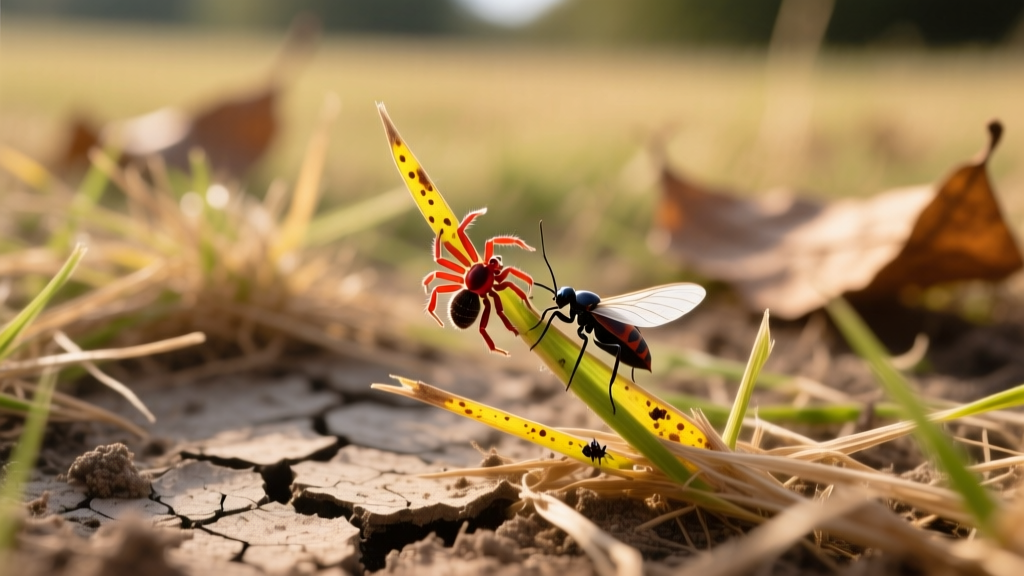
Drought-Proof Pest Control: Managing Mites And Chinch Bugs
Emily WatsonPublished
The Hidden Link Between Drought Stress and Lawn Pests
When water restrictions tighten and summer heat intensifies, lawns often exhibit signs of drought stress: wilting, rolling leaf blades, and a dull, bluish-gray hue. However, this abiotic stress triggers a secondary, often more devastating problem: an influx of sap-sucking pests. Drought-stressed turfgrass undergoes physiological changes, including reduced turgor pressure and diminished production of natural defensive compounds. This makes the grass an easy, highly nutritious target for piercing-sucking insects. Furthermore, dry, dusty environments accelerate the reproductive cycles of certain arachnids and insects, turning a minor nuisance into a full-blown infestation in a matter of weeks. For the water-wise gardener, understanding this intersection between hydrology and entomology is the cornerstone of effective Integrated Pest Management (IPM).
Identifying the Culprits: Chinch Bugs vs. Spider Mites
While grubs and sod webworms are common lawn pests, they are not the primary beneficiaries of drought conditions. Instead, turf managers must look out for chinch bugs and spider mites. Both pests feed by piercing plant tissue and extracting vital fluids, but they thrive in slightly different microclimates and target different grass species. According to the University of California Integrated Pest Management (UC IPM) program, spider mites thrive in hot, dusty conditions, often erupting near dirt roads or dry garden beds. Conversely, chinch bugs prefer the dry, insulated environment of the thatch layer, where they are protected from both the sun and surface-applied treatments.
| Feature | Spider Mites (Tetranychidae) | Chinch Bugs (Blissus spp.) |
|---|---|---|
| Size & Appearance | Microscopic (~1/50 inch); red, brown, or yellowish; eight-legged arachnids. | Small insects (~1/6 inch); black bodies with white wings folded in an 'X' pattern. |
| Damage Signs | Stippling (tiny yellow dots on blades), fine silk webbing, overall bronze cast. | Irregular yellowing patches that turn brown and die; damage mimics drought stress. |
| Preferred Turf | Bermudagrass, Tall Fescue, Kentucky Bluegrass. | St. Augustinegrass, Zoysiagrass, Tall Fescue. |
| Drought Link | Dry air and dust accelerate breeding; rain naturally washes them away. | Populations explode in dry thatch; heavy rainfall can drown nymphs. |
The Flotation Method: Confirming Chinch Bug Presence
Because chinch bug damage is frequently misdiagnosed as simple drought stress or fungal disease, confirmation is vital before applying any treatment. Research from Penn State Extension highly recommends the 'flotation method' for accurate identification. Take a metal coffee can with both the top and bottom removed. Push the can roughly two inches into the soil at the margin of a damaged and healthy-looking area of the lawn. Fill the can with water and wait for five to ten minutes. If chinch bugs are present, they will float to the surface. Finding more than 15 to 20 chinch bugs per square foot warrants immediate intervention.
Water-Wise Prevention Strategies for a Resilient Lawn
Preventing pest outbreaks in a water-wise landscape requires optimizing every drop of irrigation to maintain plant vigor without wasting resources.
Smart Irrigation and the Catch-Can Test
Overwatering is just as detrimental as underwatering, promoting shallow root systems and fungal diseases. The goal is deep, infrequent watering that encourages roots to dive deep into the soil profile, where moisture is retained longer. Most lawns require about 1 inch of water per week, including rainfall. To measure your sprinkler's output, perform a catch-can test: place empty tuna cans at various distances from your sprinkler, run the system for 15 minutes, and measure the water depth with a ruler. Adjust your watering schedule to deliver 0.5 inches per session, twice a week. Always irrigate between 4:00 AM and 8:00 AM to minimize evaporative loss and reduce the risk of foliar diseases.
Mowing Heights and Thatch Management
Higher mowing heights shade the soil surface, significantly reducing soil moisture evaporation and keeping the thatch layer cooler. For Tall Fescue and St. Augustinegrass, maintain a height of 3 to 4 inches. For Bermudagrass, 1.5 to 2 inches is ideal. Additionally, a thatch layer thicker than 0.5 inches acts as a hydrophobic sponge, preventing water from reaching the root zone while providing a luxury hotel for chinch bugs. Core aeration annually helps break down thatch, improves water infiltration, and disrupts the chinch bug life cycle.
Targeted Treatment Options: Organic and Chemical
When prevention fails and pest populations cross the economic injury threshold, targeted treatments are necessary. As a water-wise gardener, prioritize products that do not harm beneficial soil microbes or require excessive watering-in.
Organic and Biological Controls
Neem Oil and Insecticidal Soaps: For spider mites, 70% Clarified Hydrophobic Extract of Neem Oil (such as Monterey Neem Oil) is highly effective. Mix 2 tablespoons per gallon of water and apply as a foliar spray during the early evening to prevent leaf burn. Cost: Approximately $15 to $20 for a 16-ounce bottle, which treats up to 4,000 square feet. Insecticidal soaps work similarly by dissolving the waxy cuticle of soft-bodied insects, causing rapid dehydration. Note that these contact sprays require thorough coverage, including the undersides of grass blades.
Predatory Mites: Releasing beneficial insects is a cornerstone of organic IPM. Phytoseiulus persimilis is a predatory mite that exclusively hunts spider mites. Release rates of 5 to 10 predators per square foot can suppress a spider mite outbreak within a few weeks. Cost: Roughly $40 to $60 for a shaker bottle containing 2,000 predators. Ensure the lawn is lightly misted before release to provide the humidity these beneficials need to survive.
Chemical Interventions (Use as a Last Resort)
If organic methods fail to control a severe chinch bug infestation, synthetic pyrethroids may be required. Bifenthrin (commonly sold as Talstar P) is a widely used, highly effective active ingredient. The application rate is typically 1 fluid ounce per 1,000 square feet, mixed in 1 to 2 gallons of water. Cost: Around $45 to $55 for a 32-ounce bottle, providing coverage for over 15,000 square feet. While effective, bifenthrin is highly toxic to aquatic life and bees; never apply it near storm drains, ponds, or blooming clover. Always follow the label instructions meticulously.
Improving Soil Hydrology with Wetting Agents
In severely drought-stressed lawns, the soil can become hydrophobic, meaning it repels water rather than absorbing it. This renders both your irrigation and your water-based pest treatments ineffective. Applying a non-ionic soil surfactant or wetting agent (such as Aqua-Sorb or Penterra) reduces the surface tension of water, allowing it to penetrate deep into the soil profile and the thatch layer. This ensures that your water reaches the roots and that any soil-drench pest treatments make contact with the target insects. A 2.5-gallon jug of professional-grade wetting agent costs around $30 to $40 and will last an average homeowner an entire season, applied at a rate of 3 ounces per 1,000 square feet every 6 to 8 weeks.
Conclusion: Building Long-Term Drought Resilience
Managing pests in a water-wise landscape is not about eradicating every insect; it is about maintaining an ecological balance where your turf is vigorous enough to withstand minor feeding. By combining accurate identification techniques like the flotation test, optimizing irrigation through the catch-can method, and utilizing targeted, environmentally conscious treatments, you can protect your lawn from drought-exploiting pests. For more comprehensive guidelines on outdoor water efficiency and sustainable landscaping, consult resources like the EPA WaterSense program. Ultimately, a deeply rooted, properly hydrated lawn is your best and most cost-effective defense against the ravages of chinch bugs and spider mites.