Home & Garden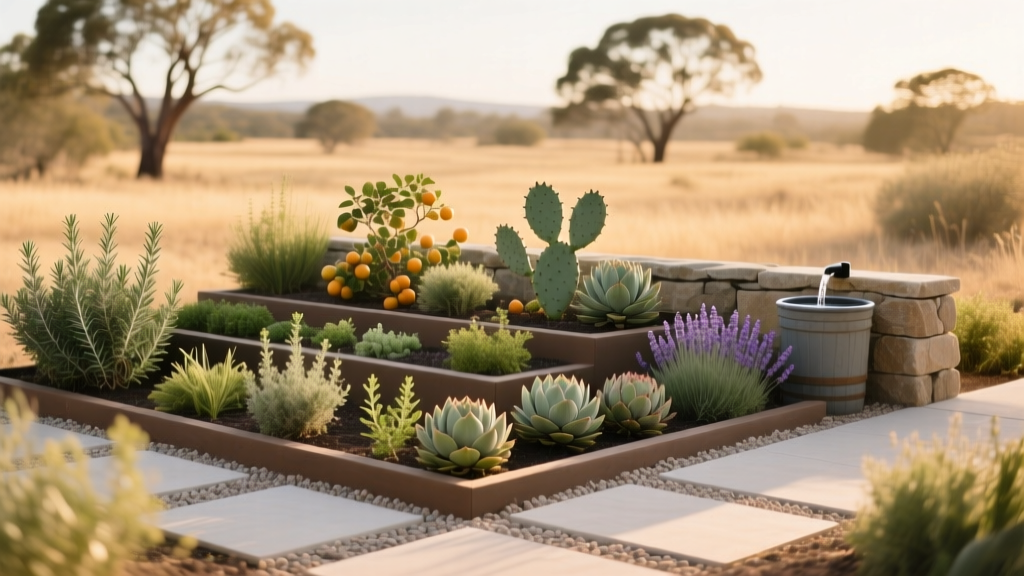
Planning a Drought-Tolerant Edible Landscape Layout
Lisa ThompsonPublished
The Intersection of Xeriscaping and Garden-to-Table Living
As water conservation becomes a critical priority for homeowners across the globe, the concept of the traditional, water-thirsty vegetable garden is rapidly evolving. Enter drought-tolerant foodscaping: a design philosophy that marries the aesthetic and environmental benefits of xeriscaping with the culinary rewards of garden-to-table living. Planning a drought-tolerant edible landscape layout requires a strategic approach to plant selection, spatial arrangement, and irrigation technology. By rethinking how we integrate edibles into our outdoor living spaces, we can cultivate vibrant, productive gardens that thrive even in the harshest, driest climates.
According to the University of California Agriculture and Natural Resources (UC ANR), outdoor landscaping accounts for nearly 50% of residential water use in many arid regions. By shifting from high-water annuals to deep-rooted perennials and implementing smart hydrozoning, homeowners can reduce their garden water consumption by up to 40% without sacrificing their harvest. This guide will walk you through the actionable steps, design principles, and specific product recommendations needed to plan a resilient, low-maintenance edible landscape.
Core Design Principle: Hydrozoning Your Edible Garden
Hydrozoning is the foundational practice of grouping plants with similar water and sunlight requirements together. In a traditional garden, water-loving tomatoes might be planted adjacent to drought-hardy rosemary, leading to either overwatered herbs or underwatered vegetables. In a planned foodscaping layout, hydrozoning dictates the spatial flow of your garden.
Zone 1: The High-Water Oasis (Close to Home)
Place your most water-dependent edibles closest to your home or primary outdoor kitchen. This zone is ideal for shallow-rooted herbs like basil, cilantro, and leafy greens such as Swiss chard. Because they are near the house, they are easier to monitor and can be tied into existing secondary water lines or hand-watered efficiently.
Zone 2: The Moderate-Water Transition
Further out, transition to Mediterranean herbs and deep-rooted vegetables. Plants like artichokes, eggplant, and bell peppers thrive here. They require consistent moisture during fruit set but can tolerate drying out between waterings. This zone is perfect for integrating raised beds filled with moisture-retentive compost and biochar.
Zone 3: The Low-Water Perimeter
The outer edges of your property should feature highly drought-tolerant perennials. Pomegranate trees, fig trees, olive trees, and woody herbs like lavender, thyme, and rosemary belong here. Once established, these plants require minimal supplemental watering, relying primarily on seasonal rainfall.
Selecting the Right Edible Plants for Dry Climates
Choosing the right cultivars is make-or-break for a drought-tolerant layout. Below is a structured comparison of top-performing edible plants suited for low-water foodscaping, including their spatial requirements and optimal harvest windows.
| Plant Name | Water Requirement | Mature Spacing | Harvest Season | Design Function |
|---|---|---|---|---|
| Globe Artichoke | Low to Moderate | 3 to 4 feet | Spring / Early Summer | Architectural focal point, border plant |
| Pomegranate (Wonderful) | Very Low | 12 to 15 feet | Late Autumn | Privacy screen, shade tree |
| Swiss Chard (Bright Lights) | Moderate | 8 to 12 inches | Spring through Fall | Colorful border edging, container planting |
| Rosemary (Tuscan Blue) | Very Low | 2 to 3 feet | Year-round | Low hedge, pathway lining |
| Fig Tree (Brown Turkey) | Low | 10 to 12 feet | Late Summer | Specimen tree, espalier against walls |
Hardscaping and Rainwater Capture Integration
A successful drought-tolerant edible landscape relies heavily on hardscaping to reduce evaporation and capture passive irrigation. Before planting, plan your hardscape features to maximize water retention.
Permeable Pavers and Gravel Pathways
Replace solid concrete pathways with permeable pavers or decomposed granite (DG). These materials allow rainwater to percolate directly into the soil profile, recharging the groundwater accessible to deep-rooted edibles like fig and pomegranate trees. Budget approximately $8 to $15 per square foot for professional installation of permeable pavers, or $2 to $4 per square foot for DG pathways.
Bioswales and Rain Gardens
Design shallow bioswales—gentle, grass-lined or gravel-filled channels—along the natural slope of your yard to capture roof runoff. A standard residential bioswale should be roughly 12 inches wide and 6 inches deep. Direct your downspouts into these swales, and plant moisture-loving edibles like watercress or taro in the lowest points, while planting drought-hardy herbs on the berms.
Smart Irrigation Integration for Edibles
Overhead sprinklers are highly inefficient for edible landscapes, losing up to 30% of water to wind drift and evaporation. Transitioning to a smart drip irrigation system is non-negotiable for a water-wise garden.
- Drip Emitters and Netafim Lines: Use pressure-compensating drip lines (like Netafim Techline CV) with emitters spaced every 12 inches. This delivers water directly to the root zone, keeping foliage dry and preventing fungal diseases common in edibles like tomatoes and squash.
- Smart Controllers: Invest in an EPA WaterSense-certified smart controller, such as the Rachio 3 or Orbit B-hyve. These devices ($150 to $250) connect to local weather stations via Wi-Fi, automatically skipping watering cycles after rain events and adjusting run times based on seasonal evapotranspiration (ET) rates.
- Soil Moisture Sensors: Bury wireless soil moisture sensors (e.g., Hunter Soil-Clik) in your Zone 1 and Zone 2 hydrozones to override the smart controller if the soil already holds adequate moisture.
Expert Insights and Authoritative Guidelines
When planning your layout, it is crucial to follow established horticultural guidelines to ensure long-term sustainability. The University of California Agriculture and Natural Resources (UC ANR) strongly advocates for the integration of mulch and drip irrigation in edible landscapes to combat drought stress.
"Applying a 3- to 4-inch layer of organic mulch around edible plants reduces soil water evaporation by up to 70%, moderates soil temperature, and suppresses water-stealing weeds. When combined with drip irrigation, mulch ensures that water is utilized exclusively by the target crop rather than lost to the atmosphere."
For edible gardens, avoid using dyed or synthetic mulches. Instead, opt for untreated arborist wood chips, straw, or shredded leaves, which break down over time and add valuable organic matter to the soil food web.
Step-by-Step Implementation Plan
To bring your drought-tolerant edible landscape to life, follow this phased implementation timeline:
- Site Analysis (Week 1): Map your yard's sun exposure and natural drainage patterns. Identify where water pools after heavy rain and where the soil dries out fastest.
- Hardscape and Earthwork (Weeks 2-4): Grade the land, install bioswales, and lay down permeable pathways. Install rain barrels (50-gallon capacity, costing $100-$200 each) at all major downspouts.
- Soil Preparation (Week 5): Amend native soil with 2 to 3 inches of high-quality compost. Avoid heavy tilling, which disrupts soil structure and mycorrhizal fungi networks essential for drought resilience.
- Planting (Week 6): Plant perennials and trees in the early fall. This allows them to establish deep root systems during the cooler, wetter winter months before facing the stress of summer heat.
- Irrigation and Mulching (Week 7): Lay out your Netafim drip lines, connect the smart controller, and apply a 4-inch layer of organic mulch, keeping it 3 inches away from the base of tree trunks to prevent rot.
Conclusion
Designing a drought-tolerant edible landscape layout is a rewarding investment in both your property's resilience and your family's culinary experiences. By embracing hydrozoning, selecting climate-appropriate edibles, and integrating smart irrigation technology, you can cultivate a stunning, productive outdoor space that conserves water and provides a bountiful harvest year after year. Start small, plan meticulously, and watch your sustainable garden-to-table oasis flourish.
