Pest Control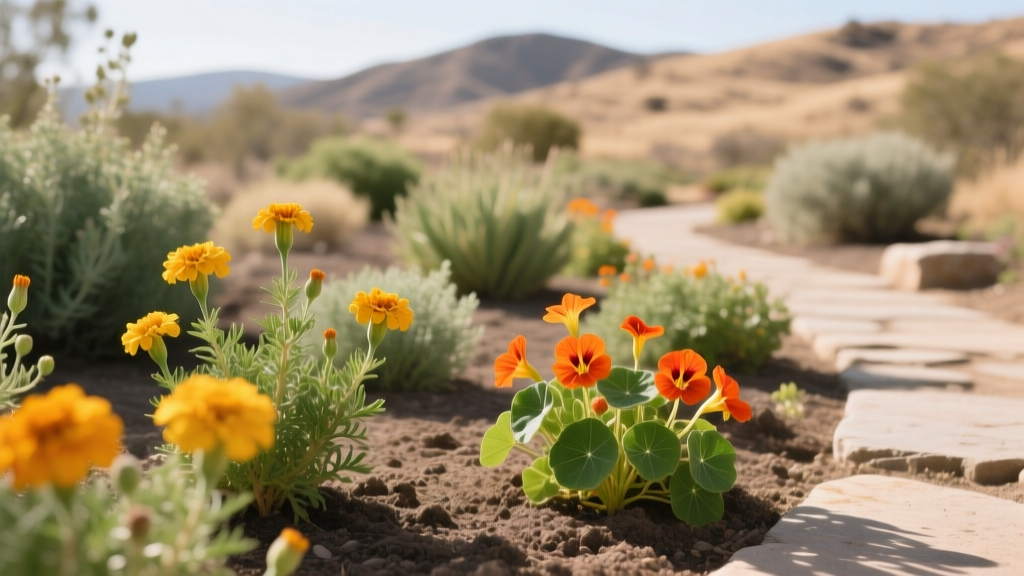
Xeriscape Pest Control: Marigold & Nasturtium Companions 2026
Mike RodriguezPublished
The Evolution of Xeriscaping and Pest Management in 2026
As we navigate the 2026 growing season, prolonged drought conditions and stricter municipal water restrictions have made xeriscaping an essential practice for homeowners and landscapers alike. However, a common misconception is that low-water landscapes must sacrifice lushness and ecological function, particularly when it comes to natural pest control. Traditional integrated pest management (IPM) often relies on water-intensive trap crops and companion plants. Today, the intersection of water conservation and organic pest management has evolved. By strategically selecting drought-tolerant varieties and employing advanced hydrozoning techniques, gardeners can harness the pest-repelling power of marigolds and nasturtiums without exceeding their low-water landscape budgets.
According to the Water Use It Wisely campaign, xeriscaping can reduce landscape water use by up to 60 percent. When we integrate botanical pest control into these zones, we eliminate the need for synthetic pesticides, which can harm the fragile soil microbiome that xeriscape plants rely on to survive arid conditions.
The Science of Botanical Pest Control
Marigolds (Tagetes species) and nasturtiums (Tropaeolum majus) are legendary in the organic gardening community, but their biochemical mechanisms are what make them indispensable for low-water gardens.
Marigolds: The Nematode Nemesis
Root-knot nematodes are a devastating soil-borne pest that thrives in sandy, well-draining soils—the exact soil profile preferred by many xeriscape plants like agave, yucca, and drought-tolerant ornamental grasses. As noted by Texas A&M AgriLife Extension, French marigolds produce a biochemical compound called alpha-terthienyl in their roots. When released into the soil, this compound suppresses nematode egg hatching and disrupts their life cycle. By interplanting specific marigold varieties among your succulents and low-water perennials, you create a biological shield that protects vulnerable root systems without requiring a single drop of chemical nematicide.
Nasturtiums: The Ultimate Trap Crop
Nasturtiums contain glucotropaeolin, a mustard oil glycoside that gives them a peppery scent and taste. While this deters certain pests, it acts as a powerful magnet for aphids, whiteflies, and squash bugs. In a xeriscape setting, nasturtiums serve as a 'trap crop.' Pests flock to the nasturtiums, leaving your prized drought-tolerant specimens, such as desert willows or penstemons, completely untouched. The University of Minnesota Extension highlights that once the nasturtiums are heavily infested, they can simply be pulled and composted, effectively removing the pest population from the garden ecosystem.
Selecting Drought-Tolerant Varieties for Low-Water Landscapes
Not all marigolds and nasturtiums are created equal when it comes to water conservation. The standard bedding varieties found in big-box stores often require moderate to high water inputs. For a true xeriscape, you must select varieties adapted to arid conditions or those with growth habits that minimize transpiration.
| Plant Variety | Water Requirement | Primary Pest Target | Xeriscape Growth Habit |
|---|---|---|---|
| Copper Canyon Daisy (Tagetes lemmonii) |
Very Low (Established) | Deer, Nematodes, Whiteflies | Perennial shrub, 3-4 ft. Highly drought-tolerant once established. |
| Dwarf French Marigold (Tagetes patula) |
Low to Moderate | Root-Knot Nematodes | Compact, 6-12 in. Less leaf surface area reduces water loss. |
| Jewel Series Nasturtium (Tropaeolum majus) |
Low (Drought-stressed) | Aphids, Squash Bugs | Bushy, semi-trailing. Thrives on neglect; blooms better in poor soil. |
| Alaska Nasturtium (Tropaeolum majus) |
Moderate (Shade-tolerant) | Aphids, Cabbage Moths | Variegated foliage. Ideal for dry-shade xeriscape zones under trees. |
Hydrozoning and Soil Preparation
The cornerstone of any successful xeriscape is hydrozoning—the practice of grouping plants with similar water needs together. Marigolds and nasturtiums, even the drought-tolerant varieties, require slightly more moisture during their initial establishment phase than fully mature succulents or native desert shrubs.
To integrate them successfully:
- Transitional Zones: Plant marigolds and nasturtiums in the 'transitional' or 'oasis' zones of your xeriscape, typically located near patios, walkways, or the drip line of larger shade trees where runoff naturally collects.
- Soil Amendment: Xeriscape soils are typically lean and well-draining. Avoid adding heavy compost or peat moss, which retains too much water and promotes root rot in arid-adapted plants. Instead, amend the planting holes with expanded shale or pumice to improve drainage while giving the marigold roots room to expand and release their nematode-suppressing exudates.
- Elevation and Swales: Plant nasturtiums on the edges of dry creek beds or rain garden swales. They will capture the occasional seasonal downpour without requiring supplemental irrigation during dry spells.
Smart Irrigation and Xeriscape Mulching Strategies
In 2026, water efficiency is heavily reliant on smart technology. Overhead sprinklers are entirely obsolete in modern xeriscapes, as they promote fungal diseases and waste water to evaporation. Instead, utilize sub-surface or targeted drip irrigation.
Drip Line Configuration
Use inline drip tubing (such as Netafim Techline) with emitters spaced 12 inches apart. Run a dedicated valve for your companion planting zones. Modern smart controllers, like the Rachio 4 or Hydrawise systems, utilize local evapotranspiration (ET) data to deliver exact micro-doses of water only when the soil moisture sensors indicate a deficit. This 'deficit irrigation' technique actually stresses the nasturtiums just enough to increase their production of mustard oils, making them even more effective as a trap crop for aphids.
The Role of Inorganic Mulch in Pest Control
Traditional organic mulches (like wood chips or shredded bark) break down over time, requiring replacement and potentially harboring moisture-loving pests like slugs, snails, and earwigs. In a xeriscape, inorganic mulches are preferred.
- Decomposed Granite (DG): A 2-inch layer of DG around your marigolds retains soil moisture, reflects heat, and creates an abrasive surface that soft-bodied pests refuse to cross.
- Pea Gravel: Excellent for heat-loving xeriscape plants. It allows water to percolate instantly to the root zone while keeping the base of the nasturtiums dry, preventing stem rot.
Companion Placement Strategies for 2026
Where you place these plants dictates their success in a low-water environment. Consider the following xeriscape companion pairings:
- Agave and Copper Canyon Daisy: The architectural, spiky form of Agave americana contrasts beautifully with the ferny, aromatic foliage of Tagetes lemmonii. The marigold's deep roots protect the agave's shallow root system from nematodes, while the agave provides slight afternoon shade, reducing the marigold's water requirements.
- Rosemary and Jewel Nasturtiums: Trailing rosemary is a staple of the xeriscape. Allow Jewel nasturtiums to scramble through the rosemary. The rosemary's woody stems keep the nasturtium foliage off the hot ground, reducing transpiration, while the nasturtiums draw aphids away from the rosemary's tender new spring growth.
- Native Grasses and Dwarf French Marigolds: Plant drifts of Dwarf French Marigolds between clumps of Muhly grass or Deer grass. The marigolds act as a living mulch, shading the soil and reducing evaporation around the grasses, while simultaneously treating the soil for nematodes.
End-of-Season Soil Incorporation
One of the most powerful, yet underutilized, IPM techniques in xeriscaping is the 'chop and drop' method at the end of the growing season. As annual dwarf marigolds begin to die back in late autumn, do not pull them out by the roots. Instead, use pruning shears to chop the foliage at the soil line. Leave the roots in the ground to decompose naturally over the winter.
As the roots break down, they release a concentrated final dose of alpha-terthienyl into the surrounding xeriscape soil, effectively fumigating the immediate area against overwintering nematode cysts. The above-ground foliage can be left on top of the decomposed granite mulch to slowly break down and provide a minor nutrient boost to neighboring perennials without disrupting the low-water soil ecology.
Conclusion
Xeriscaping in 2026 is no longer just about surviving drought; it is about cultivating a resilient, self-regulating ecosystem. By thoughtfully integrating drought-tolerant marigold and nasturtium varieties into your low-water landscape, you unlock a powerful, natural defense against nematodes, aphids, and whiteflies. Through precise hydrozoning, smart drip irrigation, and the use of inorganic mulches, you can protect your garden from pests while honoring your commitment to water conservation. Embrace these botanical allies, and watch your xeriscape thrive beautifully and sustainably.