Gardening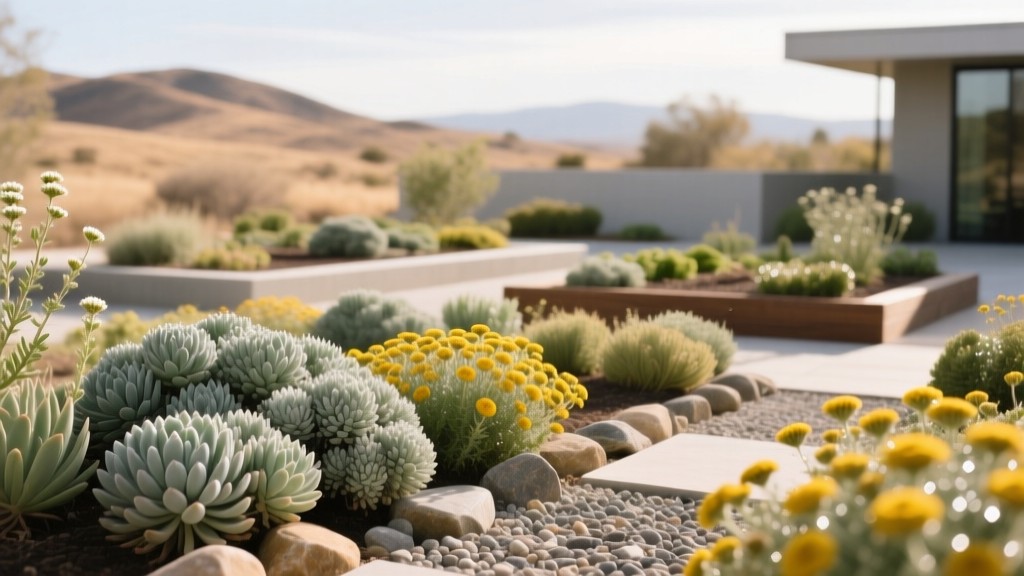
2026 Foodscaping Guide: Drought-Tolerant Sedum & Yarrow
Anna KowalskiPublished
The Evolution of the Foodscape in 2026
As climate patterns shift and municipal water restrictions tighten across many regions in 2026, the concept of the traditional vegetable garden is undergoing a radical transformation. Home gardeners are increasingly turning to foodscaping—the art and science of integrating edible plants with ornamental, drought-tolerant perennials. Rather than relegating vegetables to water-thirsty, isolated raised beds, modern edible landscaping embraces ecological resilience. At the forefront of this movement are two unsung heroes of the drought-tolerant garden: Sedum (Stonecrop) and Achillea millefolium (Yarrow).
Integrating these robust perennials into your foodscape does more than just reduce your outdoor water consumption. It creates a living, breathing ecosystem that supports the heavy-feeding crops you rely on for your kitchen table. By leveraging the unique biological traits of sedum and yarrow, you can build a landscape that thrives in the heat of late summer while actively boosting the yields of your tomatoes, peppers, and squash.
Yarrow: The Dynamic Accumulator and Pest Controller
Yarrow (Achillea millefolium) is a cornerstone of permaculture and edible landscaping. According to the USDA Plants Database, this resilient perennial is native across most of North America, making it exceptionally well-adapted to local soil microbiomes and seasonal droughts. But yarrow’s value in a foodscape extends far beyond its survival skills.
The Ultimate Companion Plant
Yarrow features a deep, aggressive taproot that acts as a dynamic accumulator. It mines the subsoil for essential minerals—such as calcium, potassium, and magnesium—and brings them to the surface. When yarrow's fern-like foliage dies back or is chopped and dropped as mulch, these nutrients become bioavailable to the shallow-rooted vegetable crops planted nearby.
Furthermore, yarrow’s umbrella-shaped flower clusters (corymbs) are a magnet for beneficial predatory insects. In 2026, organic pest management is more critical than ever as chemical pesticide regulations evolve. Yarrow attracts hoverflies, ladybugs, and parasitic wasps. These beneficial insects actively hunt and destroy common garden pests like aphids, tomato hornworms, and cabbage loopers, providing free, natural pest control for your edible crops.
Sedum: The Ultimate Living Mulch and Pollinator Magnet
While yarrow works vertically to mine nutrients and attract aerial predators, Sedum works horizontally to protect your soil and support late-season pollination. Succulent and virtually indestructible, sedum is a groundcover powerhouse.
Moisture Retention and Soil Protection
In an edible landscape, bare soil is wasted potential and a recipe for moisture loss. Planting low-growing, creeping sedum varieties around the base of fruit trees, berry bushes, or along the edges of raised beds acts as a living mulch. The dense mat of succulent leaves shades the soil, drastically reducing evaporation rates and keeping the root zones of your edible crops cool during peak summer heat waves. Because sedum requires almost zero supplemental irrigation once established, it saves water without competing deeply with your vegetable crops.
Late-Season Pollinator Support
Many vegetable crops, particularly late-summer squash, pumpkins, and fall-blooming herbs, rely heavily on consistent pollinator activity in August and September. The Royal Horticultural Society (RHS) notes that Sedum species, particularly the taller stonecrop varieties, are vital for late-season pollinator support. When most summer annuals have faded, sedum erupts into massive clusters of star-shaped flowers, providing crucial nectar for bees and butterflies right when your late-season food crops need them most.
Hydrozoning: Integrating Drought-Tolerants with Heavy Feeders
A successful 2026 foodscape relies on hydrozoning—the practice of grouping plants with similar water needs together. Vegetables are notoriously thirsty, while sedum and yarrow prefer dry, well-draining conditions. How do you reconcile this?
- The Transition Zone: Plant yarrow and taller sedum varieties in the buffer zones between your irrigated vegetable beds and your un-irrigated native landscape. They will catch runoff and utilize the peripheral moisture without sitting in waterlogged soil.
- Strategic Shading: Use creeping sedum on the sun-baked southern edges of your raised beds. The sedum will tolerate the brutal afternoon sun, protecting the wooden or stone sides of the bed from overheating the vegetable roots inside.
- Drip Line Placement: When planting yarrow near fruit trees, position it just outside the primary drip line of the tree canopy, where it can benefit from occasional deep watering without suffocating in the wettest soil zones.
With outdoor water use accounting for a significant portion of household consumption, the EPA's WaterSense program strongly advocates for drought-tolerant landscaping and hydrozoning. By placing sedum and yarrow in the periphery of your edible garden, you can reduce your overall landscape water usage by up to 40% compared to traditional lawn-bordered vegetable patches.
Top Varieties for Your 2026 Edible Landscape
Not all sedums and yarrows are created equal. When designing a foodscape, you must select cultivars that offer structural support, continuous bloom, and specific ecological benefits. Below is a comparison chart of the best varieties for the modern edible landscape.
| Plant Species | Recommended Cultivar | Foodscape Function | Bloom Time |
|---|---|---|---|
| Achillea millefolium | Moonshine | Sterile (no aggressive seeding), bright yellow blooms attract hoverflies; excellent for border pest control. | Early to Late Summer |
| Achillea millefolium | Strawberry Seduction | Provides diverse nectar profiles; deep taproot breaks up heavy clay soils near root vegetable patches. | Mid-Summer |
| Hylotelephium (Tall Sedum) | Autumn Joy | Structural anchor for foodscapes; massive late-season nectar source for bees pollinating fall squash. | Late Summer to Fall |
| Sedum reflexum (Creeping) | Blue Spruce | Dense living mulch for berry bushes; suppresses weeds and retains soil moisture in high-heat zones. | Early Summer |
| Sedum acre | Goldmoss | Ultra-low groundcover for pathways between raised beds; withstands light foot traffic. | Early Summer |
Harvesting and Culinary Uses of Yarrow
While sedum is primarily a functional companion plant (though some species' young shoots can be pickled or eaten raw in extreme survival scenarios), yarrow has a rich history in the culinary and medicinal apothecary. Integrating yarrow into your foodscape means you are also growing a multi-purpose herb.
Culinary Applications
Young yarrow leaves, harvested in the early spring before the plant flowers, have a bitter, aromatic flavor reminiscent of tarragon and rosemary. They can be finely chopped and mixed into spring salads, infused into vinegars, or blended into compound butters for grilled vegetables. Because the flavor is potent, yarrow is used as a seasoning rather than a primary green.
Medicinal Teas
The flowers and mature leaves of yarrow can be harvested and dried for teas. Historically revered for its diaphoretic (sweat-inducing) and anti-inflammatory properties, yarrow tea is a staple in the modern herbalist's garden. To harvest for drying, cut the flower stalks in the morning after the dew has evaporated but before the midday sun degrades the essential oils. Hang them upside down in a dark, well-ventilated space for two weeks.
Safety Note: Yarrow is a known allergen for individuals sensitive to the Asteraceae/Compositae family (which includes ragweed and daisies). Always introduce edible landscape herbs into your diet in small quantities, and consult a healthcare provider before using medicinal herbs during pregnancy.
Soil Preparation and 2026 Planting Guide
To ensure your drought-tolerant companions thrive alongside your edibles, proper soil preparation is key. Unlike heavy-feeding brassicas or tomatoes, yarrow and sedum actually prefer poor to average soil. Over-amending the soil with rich compost or synthetic fertilizers will cause yarrow to produce weak, floppy stems and sedum to split open in the center.
- Site Selection: Choose a location that receives full sun (at least 6-8 hours of direct light). Both plants will become leggy and fail to bloom in partial shade.
- Soil Amendment: If your soil is heavy clay, amend the planting holes with coarse builder's sand and pea gravel to improve drainage. Do not add nitrogen-rich compost.
- Spacing: Plant yarrow 18 to 24 inches apart to allow for adequate air circulation, which prevents powdery mildew. Creeping sedums can be planted 12 inches apart, while tall stonecrops need 24 inches of space.
- Establishment Watering: Despite their drought tolerance, these perennials require consistent moisture for the first 8 to 12 weeks after planting to establish their root systems. Utilize a temporary drip line, then wean them off supplemental water entirely by mid-summer.
Conclusion
The 2026 gardening season demands a smarter, more resilient approach to how we grow our food. By replacing water-thirsty ornamental borders and bare soil pathways with drought-tolerant sedum and yarrow, you are doing much more than xeriscaping. You are building a dynamic, interactive foodscape that mines nutrients, controls pests, conserves water, and ensures your edible crops have the pollinator support they need to thrive. Embrace the synergy of these powerful perennials, and watch your edible landscape flourish, no matter what the summer weather brings.
